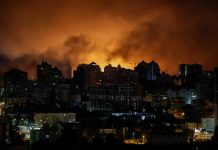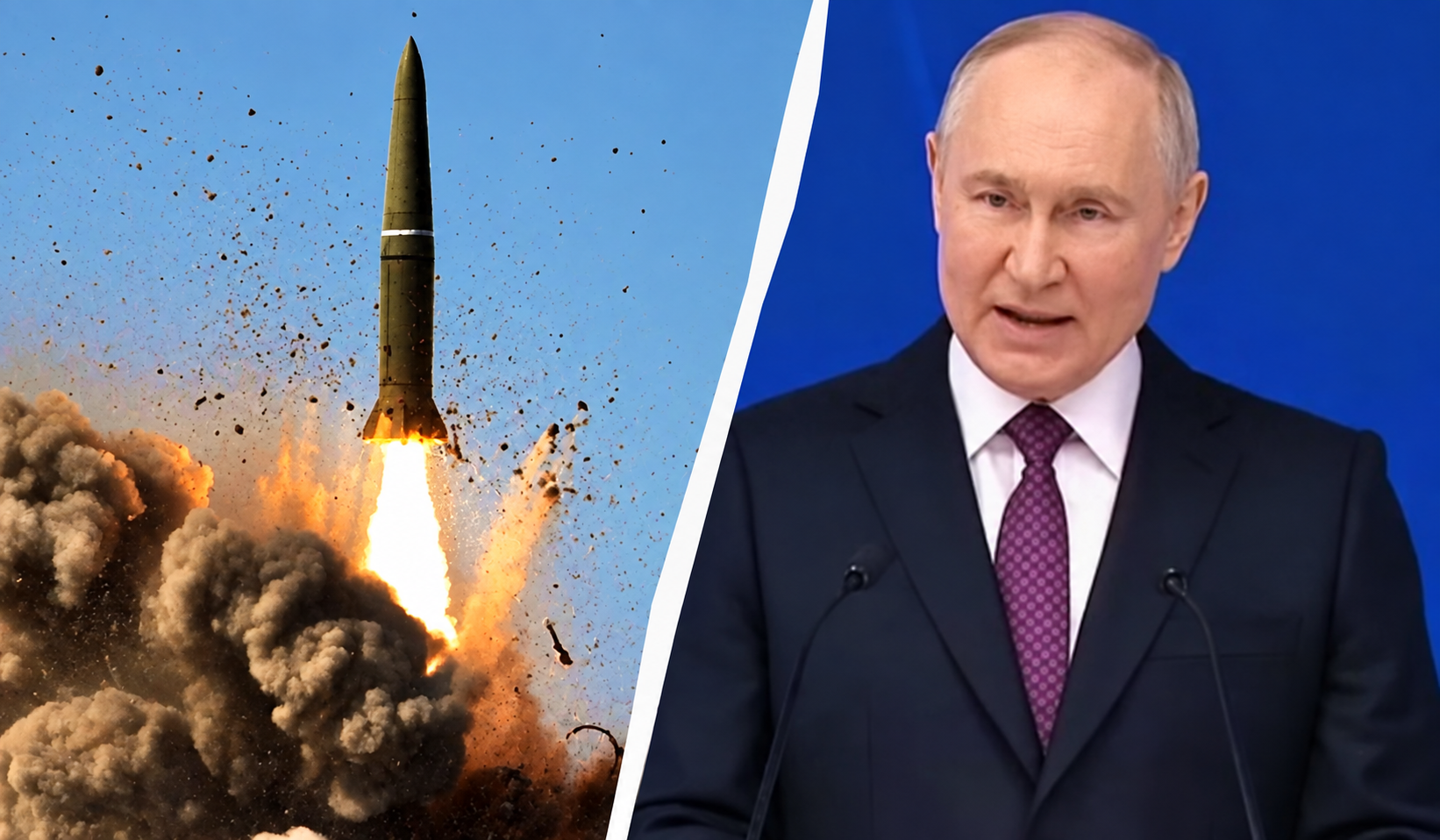
Russia may intensify its missile and drone strikes on Kyiv and other Ukrainian cities until spring 2027, suggests military analyst Oleksiy Getman, a reserve major in the Ukrainian Armed Forces. He links the possible attacks to the Kremlin’s attempt to put pressure on the population and the authorities by disrupting the energy, heating, water supply and drainage systems. This is an expert forecast, not a confirmed schedule of attacks.
Briefly about the main points
- The Hetman anticipates an intensification of Russian air strikes during the winter months.
- Urban life-support systems could become a likely target for pressure.
- An analyst has named Kyiv as one of the possible main targets.
- He links deterrence to the strengthening of Ukraine’s air defence and missile capabilities.
- The idea that the intensity of the war will be lower in the spring of 2027 remains a mere assumption.
The Kremlin may be counting on exerting pressure this winter via the city’s infrastructure
In the opinion of Hetman, the Russian leadership may try to make up for the lack of desired results on the front line attacks on civilian infrastructure. Systems on which electricity, heating, water and drainage depend are particularly vulnerable in winter.
The analyst believes that Kyiv could be one of the main targets of such pressure. In his view, the Kremlin’s aim is to exacerbate public fatigue and persuade Ukrainians to support Russia’s political demands. «All these whims of Putin’s are elements of political pressure,» he said.
The previous winter campaign highlighted the consequences of attacks on these systems. According to the UN Human Rights Monitoring Mission, between October 2025 and March 2026, Russia carried out at least 423 attacks on electricity infrastructure and 74 strikes on heating infrastructure. This led to power cuts and prolonged disruptions to heating and hot water supplies, but does not confirm a plan for attacks next winter.
Strengthening air defence capabilities could limit Russia’s ability to exert pressure
The Hetman attributes Russia’s calculations to Ukraine’s shortcomings ballistic missile defence systems and unmanned aerial vehicles. In his view, strengthening the defences of cities could reduce the possibility of using air strikes as a means of coercion.
The analyst cited the development of Ukrainian ballistic weapons as another deterrent, mentioning the FP-7 and FP-9. At the same time, there are no confirmed timelines for their large-scale deployment to the armed forces, so these systems cannot yet be regarded as an existing large-scale capability.
President Volodymyr Zelenskyy reported that, on 25 September, the General Staff reviewed the results of tests on interceptors designed to counter Russian «Shahed» drones and identified ways to strengthen defences. According to him, production of such systems is being ramped up.
A spring lull in the fighting is by no means guaranteed
The Hetman does not expect the war to end any time soon, but he does anticipate it entering a less intense phase in the spring of 2027. He attributes this possibility to the exhaustion of Russian forces and the difficulties they face in maintaining the current pace of their offensives.
According to the analyst’s assessment, Russia needs not only to recruit new military personnel, but also to train specialists to replace those lost among signal corps personnel and other specialists. Increasing the number of conscripts does not, in itself, resolve these manpower issues.
Such a scenario remains a mere assumption: the future intensity of hostilities and air strikes will depend on the situation at the front, Russia’s resources and Ukraine’s ability to strengthen its defences, rather than on the calendar arrival of spring.