China tests its energy resilience amid global oil crisis
The global energy crisis caused by the war over Iran has become a serious test for China. Despite global oil supply disruptions and rising prices, Beijing has demonstrated relative resilience thanks to its long-term strategy of accumulating resources and diversifying supplies.
The global crisis and the role of Iran
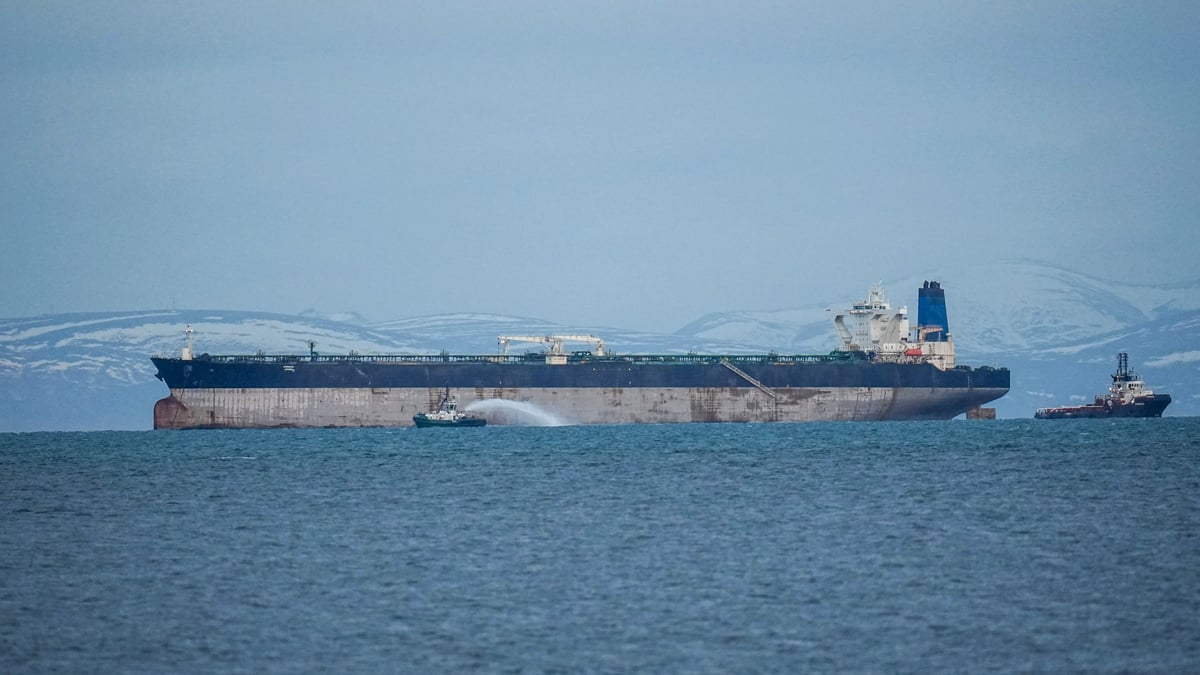
The conflict in the Persian Gulf has had a significant impact on global energy markets. The hostilities and restrictions on shipping in the Strait of Hormuz, a key route through which much of the world's oil passes, have caused large-scale supply disruptions.
Analysts note that this is one of the biggest energy crises of our time, which has already led to rising oil prices and volatility in the markets.
How China has prepared for a strike
China has invested in the creation of a so-called “energy fortress” - a system of reserves, alternative suppliers and domestic production. As a result, the country was able to mitigate the effects of the global deficit.
In addition, Beijing is active:
- builds up strategic oil reserves
- Diversifies imports
- Increases domestic energy production
Why China is less vulnerable
Despite the fact that Asia receives most of its oil through Strait of Hormuz, China has significant reserves and a flexible supply system. This helps to avoid sudden disruptions even in the event of an escalation.
At the same time, other countries in the region are already experiencing serious consequences, ranging from fuel shortages to economic downturns.
Impact on the global economy
The global oil crisis goes beyond the energy sector. It affects:
- transport
- industry
- product prices
Experts warn that resource shortages could lead to a “chain reaction” in the global economy.
Geopolitical balance
China is also trying to maintain a cautious stance in the conflict, avoiding direct intervention but at the same time protecting its economic interests.
This approach allows Beijing to remain a player that can influence the situation without direct involvement in hostilities.
Conclusion.
The energy crisis of 2026 will test the global economy and individual countries. China is showing relative resilience thanks to its strategic planning, but the overall situation remains unstable.
Further developments will depend on the situation around Iran, the state of the Strait of Hormuz, and the ability of global economies to adapt to new conditions.