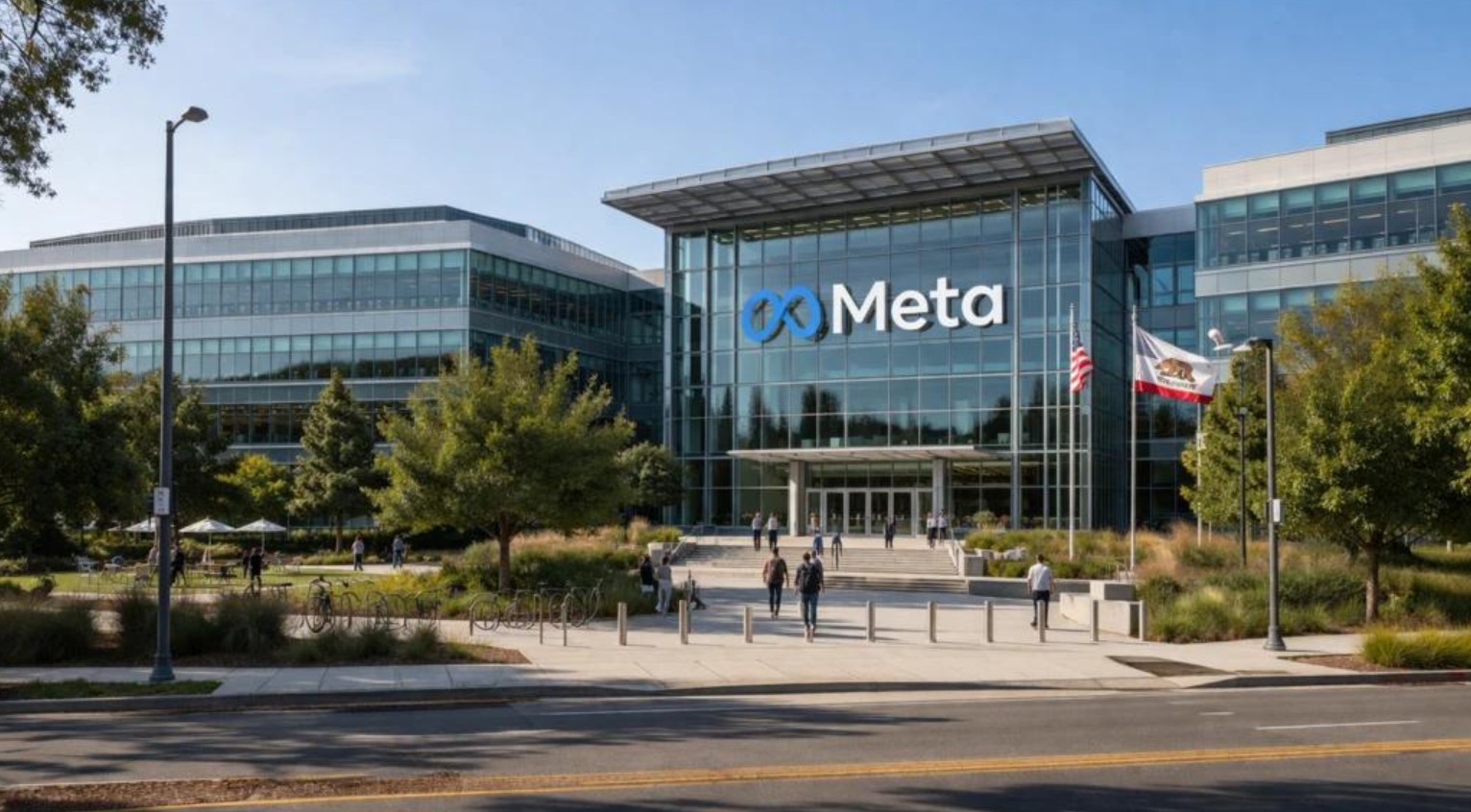
The US-based Meta Platforms, which owns Facebook, Instagram and WhatsApp, is issuing bonds in euros for the first time after raising $15 billion on the US market. The company is seeking new sources of funding for the large-scale construction of data centres and the development of artificial intelligence. Over the past few days, the largest technology corporations have raised nearly $57 billion through the debt markets, despite growing investor concerns about the return on such investments.
- Meta is making its debut on the European bond market after raising $15 billion in the US.
- The company is offering investors six issues of debt securities with different maturity dates.
- Microsoft, Oracle, Alphabet and Meta have stepped up their borrowing to fund the development of artificial intelligence.
- Investors are paying ever closer attention to the debt levels of technology companies and the return on their investments.
Meta is raising funds through euro-denominated bonds for the first time
On 4 November, Meta Platforms launched its first bond issue on the European market. The day before, the company had sold $15 billion worth of dollar-denominated debt securities, attracting significant demand from institutional investors.
Subscription orders for the US issue totalled $58 billion — almost four times the actual amount raised.
On the European market Meta It is offering six series of bonds with maturities ranging from just over four years to more than 38 years. This structure enables the company to raise funds for different time horizons and to spread its future debt repayments.
The preliminary spread over the base rates is around 140 basis points for the shortest-dated issue and approximately 370 points for the longest-dated issue. The final terms will be determined based on investor demand.
Citigroup and Morgan Stanley are acting as lead managers for the placement. Pricing is expected to be finalised by Wednesday.
Tech companies have raised nearly $57 billion in just a few days
Meta has become the latest company to join the widespread trend of bond issues amongst the largest US technology firms. After a break of almost three months, these corporations are once again actively entering the bond market, raising tens of billions of dollars.
Last week, Microsoft issued $25 billion worth of debt securities. Subsequently, Oracle raised a further $10 billion, and Alphabet, Google’s parent company, has carried out a new bond issue in euros.
Together with Meta’s dollar-denominated issue, the total value of the recent placements by these four companies has reached nearly $57 billion. This represents one of the most intense waves of corporate borrowing in the technology sector in recent times.
The main reason is the rapid rise in capital expenditure on artificial intelligence. Companies are building data centres, purchasing graphics processing units, expanding their energy infrastructure and entering into long-term contracts for computing capacity.
Investors are paying ever closer attention to the costs of artificial intelligence
Despite strong demand for bonds issued by the largest technology companies, creditors are becoming more cautious about large-scale investments in AI.
One of the main reasons is the uncertainty over how quickly the new data centres and the computing capacity will begin to generate sufficient revenue to cover the costs of its construction and debt servicing.
The rise in borrowing is also forcing investors to assess the financial burden on companies which, until recently, had been funding a significant proportion of their development with their own funds.
At the end of October, S&P Global Ratings downgraded Meta’s credit rating outlook from stable to negative, citing uncertainty surrounding capital expenditure and future cash flows.
At the same time, Meta’s successful dollar-denominated bond issue has shown that demand for debt securities issued by tech giants remains high. The company’s first foray into the European market will provide an opportunity to gauge the extent to which investors outside the US are willing to finance the further expansion of artificial intelligence infrastructure.