The US is to impose 50 per cent tariffs on a wide range of Canadian goods with a total value of nearly $20 billion. President Donald Trump’s administration has attributed the decision to Canada’s discriminatory treatment of American cars, alcohol and dairy products. Canadian Prime Minister Mark Carney stated that Ottawa had proposed a comprehensive settlement of the dispute with Washington.
Briefly about the main points
- The new US tariffs will amount to 50% and will come into effect on 19 August.
- Canadian imports worth almost $20 billion will be subject to the restrictions.
- The goods include wine, cement, dairy products and ice hockey sticks.
- Washington invoked Section 338 of the Trade Act of 1930 for the first time.
- Carney stated that the previous US tariffs breached the USMCA.
Which goods are subject to the new tariffs?
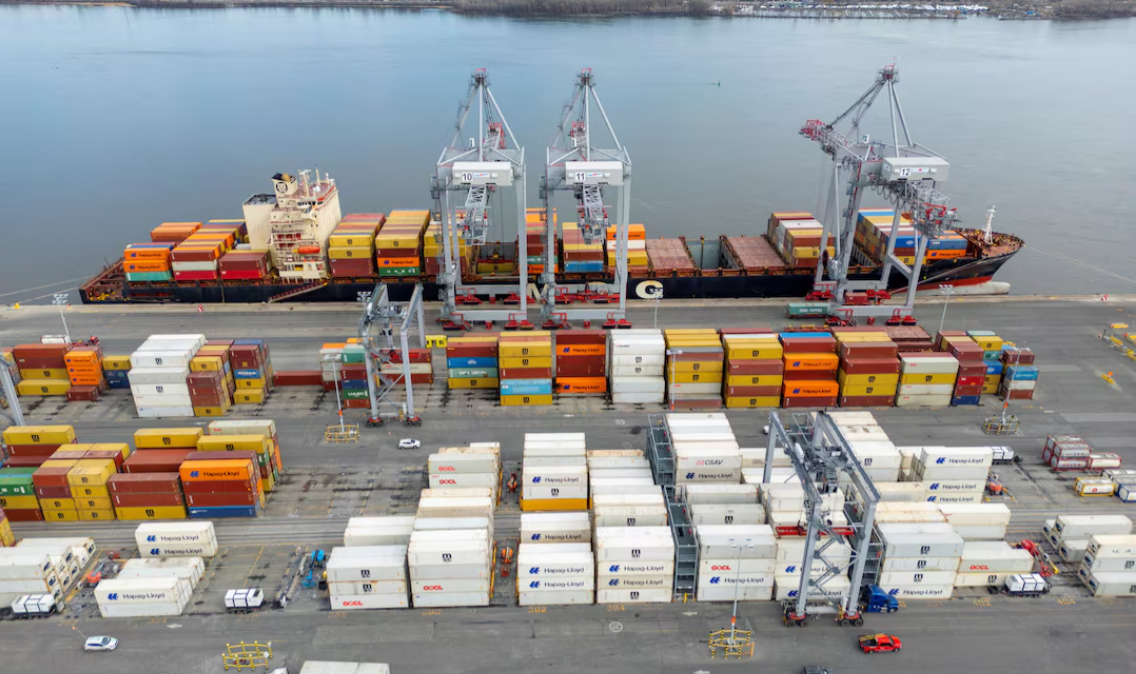
According to the Office of the US Trade Representative, the tariffs will cover around 5.2% of Canadian imports into the United States. In 2025, the US imported goods worth $382 billion from Canada.
The list includes wine, cement, ice hockey sticks, dairy products, swimming pools, furniture, fishing rods, seeds, clothing and wigs. At the same time, Trump has exempted energy products, potash fertilisers, fish, critical minerals and goods already subject to Section 232 tariffs from the new duties.
Washington cited a law from 1930
For the introduction of tariffs Trump invoked Section 338 of the Trade Act of 1930. This provision allows the President to impose punitive tariffs of up to 50% on trading partners which the US considers to be discriminating against American goods.
According to estimates John Verona, a former trade official in the administration George W. Bush, this is the first known application of this provision in the nearly century since its introduction. He noted that the law was designed to counter the unequal application of tariffs, and that its use in response to Canadian measures complicates the original rationale behind the provision.
The White House cited Canada’s system for regulating the supply of dairy products, as well as tariffs and quotas on American cars, among its grounds for the move. Washington also pointed out that most Canadian provinces had halted sales of American alcohol in response to previous US tariffs.
Canada’s position and the controversy surrounding the USMCA
Mark Carney He stated that Canada, exercising its right, had merely matched tariffs in the automotive sector following US measures which, he said, breached the USMCA. He added that the dispute had increased costs for families, particularly in the US.
The Prime Minister also said that the Canadian government is ready to work closely with Washington on outstanding issues. Meanwhile, a former government adviser Justin Trudeau on US-Canada relations Diamond Eisinger She noted: Karni has limited scope to force the provinces to resume the sale of American alcohol, as this is a matter for their premiers to decide.
Negotiations with Mexico are continuing without Canada
The new tariffs mark yet another front in the trade dispute between the two countries. US Trade Representative Jamison Greer is currently in Mexico City holding bilateral talks with Mexico on the changes Washington is seeking to the USMCA, without Canada’s involvement.
The day before, Trump had also linked the current tariffs on Canadian goods to the US costs of dealing with the consequences of forest fires in Canada. The invocation of Section 338 could mean that the US administration is using a long-standing trade tool to step up pressure on Ottawa on several contentious issues at once.