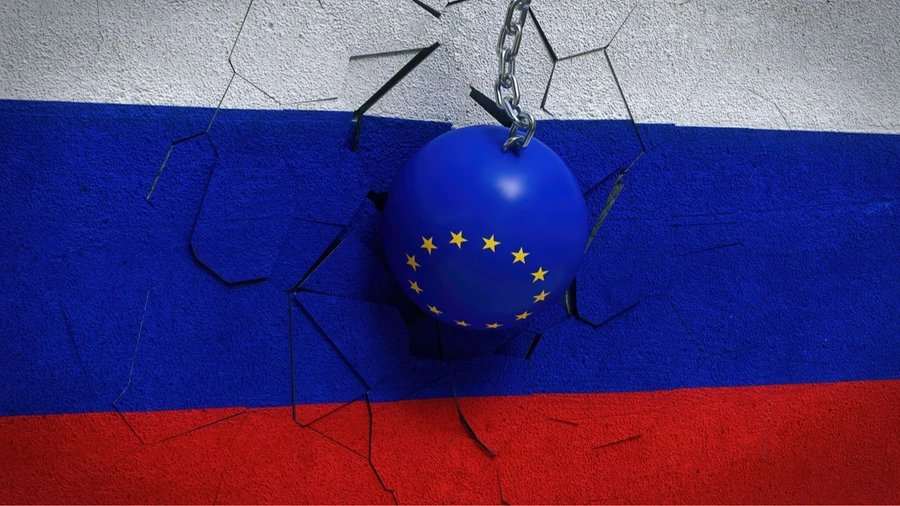
On 11 November 2026, the ambassadors of the 27 Member States of the European Union agreed on new sanctions lists targeting Russia, which are set to include 145 individuals and legal entities, including 50 Russian banks. The restrictions will also apply to companies linked to Russia’s shadow fleet, energy firms and individuals involved in disinformation campaigns, cyber-attacks and hybrid activities. This was reported by Reuters, citing EU diplomats. The lists are due to be finalised by EU foreign ministers at a meeting in Brussels on 16 November.
- On 11 November, EU ambassadors provisionally agreed on 145 new additions to the sanctions lists.
- The main list will include 113 individuals and legal entities, including 50 Russian banks.
- The restrictions will also apply to companies linked to the Russian Federation’s shadow fleet and the energy sector.
- A further 31 entries relate to hybrid activities, and one to cyber-attacks.
- Final approval is expected on 16 November at a meeting of the Council of the EU.
Which Russian banks and companies will be subject to sanctions?
The majority of the agreed restrictions relate to the main the EU sanctions regime, introduced in response to Russia’s violation of Ukraine’s territorial integrity and sovereignty.
According to diplomatic sources cited by Reuters, there are plans to add 113 individuals and organisations to this list. Among them are 50 Russian banks, energy companies and representatives Russian business and the organisations that facilitate the operations of the shadow fleet.
A full list of the banks and companies on which restrictions are proposed has not yet been published. It is expected to be made public once the relevant decisions have been officially approved.
Sanctions under the main regime provide for the freezing of assets belonging to sanctioned persons within the EU and a ban on the provision of funds or economic resources to them. Individuals are also subject to a ban on entry into the European Union and on transit through its territory.
The EU is tightening restrictions on the shadow fleet and hybrid operations
Particular attention The European Union is targeting companies that help Russia transport oil in circumvention of international restrictions. This refers to a network of intermediaries and businesses linked to the so-called ‘shadow fleet’.
In addition to the main list, the diplomats agreed on 31 additions under the sanctions regime targeting Russian hybrid activities. These measures relate, in particular, to foreign interference in information and the manipulation of information.
It is proposed that a further legal entity be added to a separate sanctions list for its involvement in cyberattack.
According to one of Reuters’ sources, some of the new restrictions on hybrid activities are linked to an attempt to drone attacks on Leipzig Airport/Halle in Germany, for which the German authorities have blamed Moscow.
Russia denies any involvement in acts of sabotage, hybrid operations or the planning of attacks on NATO member states.
When will the new EU sanctions against Russia come into force?
Preliminary agreement by diplomats does not yet mean that the new restrictions are already in force. The next stage is the formal approval of the sanctions lists by the EU Foreign Affairs Council.
Its meeting is scheduled for Monday, 16 November 2026, as confirmed by the official calendar of the Council of the European Union. Once the legal acts have been adopted, the sanctions are to be published in the Official Journal of the EU.
Earlier, on 12 October, the European Union had already approved a major expansion of the sanctions lists targeting the Russian military-industrial complex. At that time, restrictions were imposed on 1,569 individuals and legal entities, including 826 companies and 743 company directors.
The 145 new additions will mark the next step in stepping up sanctions pressure on Russia, provided the ministers approve the proposals agreed by the diplomats.
As of 11 November, the sanctions lists had been provisionally approved by the ambassadors of the EU member states. A final decision is expected on 16 November, after which the full list of Russian banks, companies and individuals subject to the restrictions will be announced.