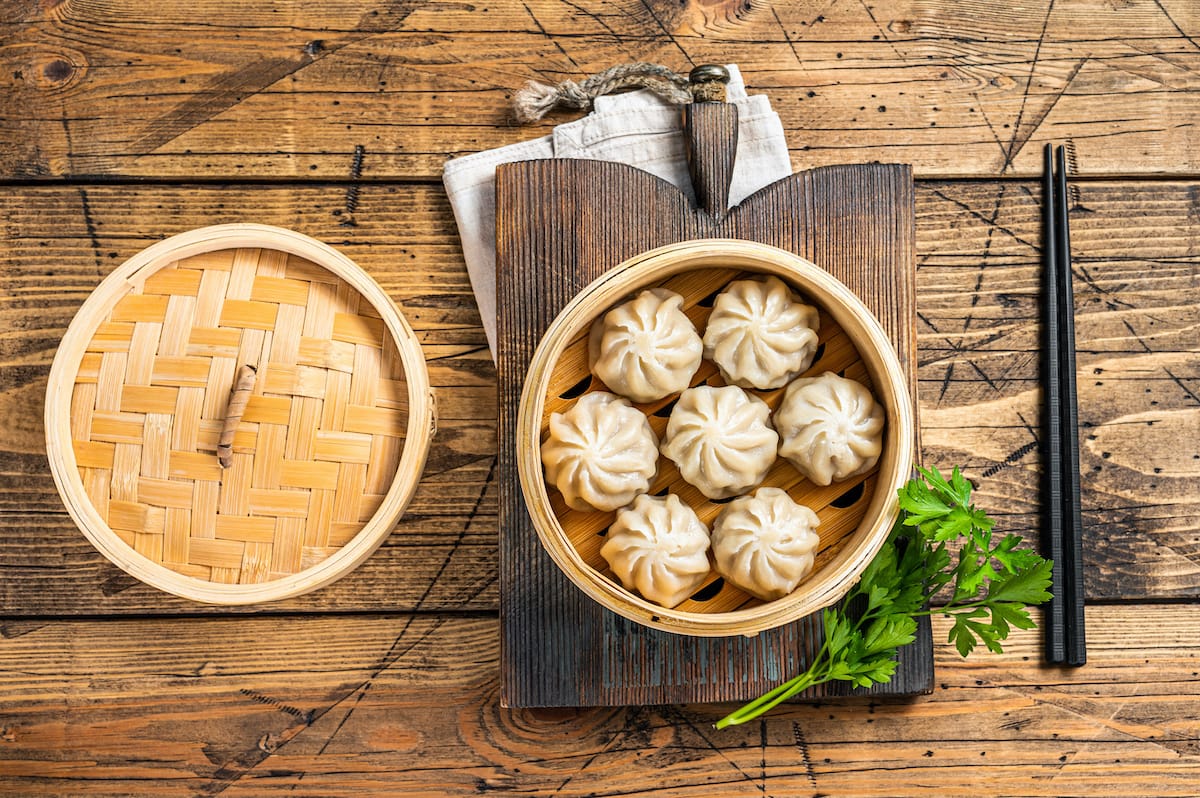
In Guangzhou, China, the authorities have introduced new rules for restaurants specialising in dim sum. The aim of the innovations is to improve hygiene standards and control the quality of the popular dish.
New regulations for dim sum restaurants in Guangzhou
The authorities of Guangzhou, one of the largest cities in China, have announced new rules for restaurants offering dim sum. According to CNN, These measures are aimed at improving food safety standards and supporting the region's traditional cuisine.
Dim sum is a popular Cantonese dish that is widely available in local restaurants. The tightening of controls relates to the quality of ingredients, compliance with sanitary standards and transparency in cooking.
The purpose of the changes and the reaction of the local community
The authorities emphasise that the new rules are intended to protect consumer health and preserve the reputation of traditional restaurants in Guangzhou. Operators must comply with strict requirements for cleanliness, food storage and regular staff training.
The local community has mixed feelings about the initiative. Some restaurateurs support the innovations, considering them necessary to increase customer confidence, while others fear rising costs and possible complications in doing business.
Possible consequences for the gastronomy industry
Introduction of new rules could affect thousands of restaurants in Guangzhou. The increased standards are expected to help prevent food poisoning and improve the image of Cantonese cuisine internationally.
At the same time, owners of establishments are forced to invest in staff training and equipment upgrades. This may result in higher prices for end consumers.
Why it matters
Dim sum is an integral part of Guangzhou's cultural heritage and Cantonese cuisine. Raising food safety standards helps to maintain trust in traditional dishes and support the development of gastronomic tourism.
Quality control is important for the health of local residents and visitors, as well as for the further development of the restaurant industry. The new rules could serve as an example for other regions of China seeking to strengthen their culinary traditions.