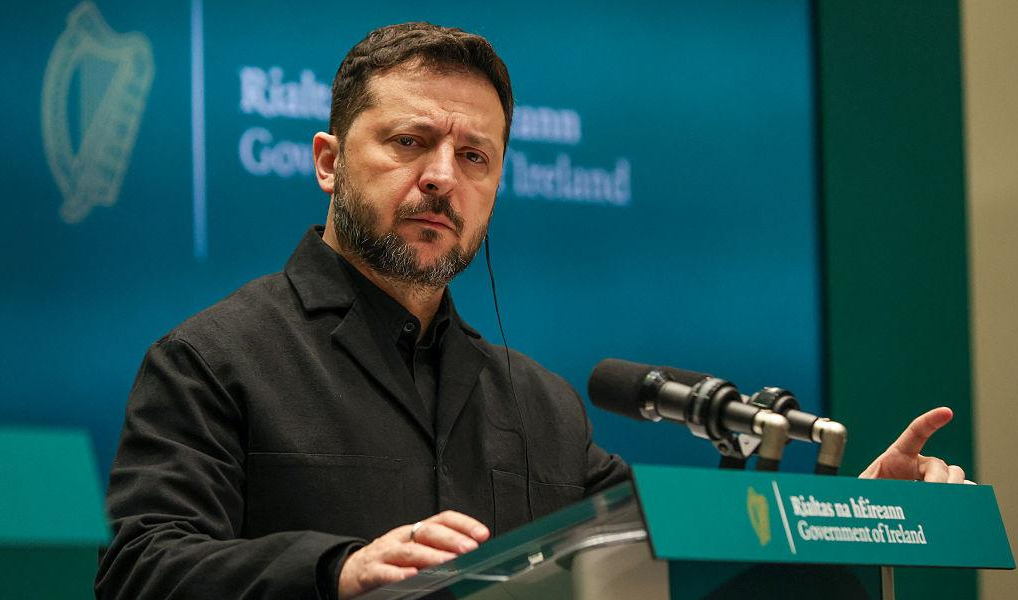
The President of Ukraine, Volodymyr Zelenskyy, believes that there is still a chance to reach concrete agreements on de-escalating the war by the end of 2026; however, for this to happen, the United States must step up pressure on Russia and provide Ukraine with sufficient support. At the same time, Kyiv will not agree to neutral status, the legal recognition of the occupied territories as Russian, or restrictions on its own armed forces. Among the key issues under discussion are, once again, Ukraine’s membership of NATO and future security guarantees.
- Zelenskyy believes progress can be made in de-escalating the war by the end of 2026.
- The outcome of the negotiations will depend on support for Ukraine and the US’s actions towards Russia.
- Ukraine rejects neutrality and the legal recognition of the occupied territories as Russian.
- The FREYJA programme is preparing for trials, with 11 countries having joined the initiative.
Zelenskyy explained under what conditions Putin would agree to genuine negotiations
The Ukrainian president links the possibility of diplomatic progress to Washington’s stance. In his view, Russia may move towards substantive agreements if it realises that continuing the war will not enable it to achieve its objectives.
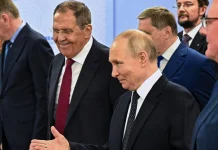
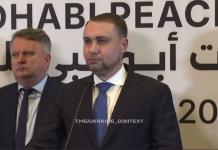
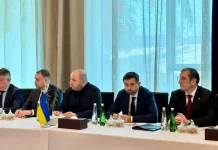
After negotiations delegations from Ukraine, the US and Russia in Abu Dhabi on 10–11 November Zelensky stated that it would be possible to achieve concrete results by the end of the year. At the same time, he emphasised that the prospects for the peace process depend to a large extent on the US administration’s next steps.
Among the possible first steps, Ukraine proposes a halt to attacks on energy infrastructure, de-escalation in the Black Sea and further exchanges of prisoners of war.
Following meetings with representatives Donald Trump Kyiv has also announced preparations for a large-scale prisoner exchange and more active involvement of Europe in the negotiation process.
Ukraine will not agree to neutrality or the recognition of the occupied territories
Security guarantees remain one of the key issues in the negotiations. According to Zelenskyy, the US proposals once again raise the issue of a possible Ukraine’s accession to NATO.
The President believes that membership of the Alliance, combined with a strong Ukrainian army, is the best option for long-term defence. If Ukraine does not join NATO, the US and European states must provide Ukraine with effective guarantees setting out the specific actions that partners will take in the event of renewed Russian aggression.
That said, Ukraine does not regard neutral status or a reduction in the size of its Armed Forces as acceptable terms for a peace agreement.
Kyiv’s position on territorial issues also remains unchanged. Ukraine will not recognise Russian sovereignty over the temporarily occupied regions. Zelenskyy is open to discussing territorial issues exclusively at the level of heads of state, rather than through technical negotiating teams.
Ukraine and its partners are preparing to test the FREYJA anti-ballistic missile system
In parallel with diplomatic negotiations, Ukraine is developing its own missile defence capabilities as part of a joint European programme FREYJA.
On 11 November, during a speech to the Danish Parliament, Zelenskyy announced that 11 countries had already joined the project. Preparations for the opening of the programme’s coordination office in Copenhagen have also been completed.
The Ukrainian side is working on the development of an interceptor missile and a launch system. According to the President’s latest statements, the first tests of the anti-ballistic system are planned for this winter, and practical results are expected by the end of 2026.
The aim of the programme is to develop an effective ballistic missile interception system that can be produced in large quantities at a lower cost than existing equivalents.