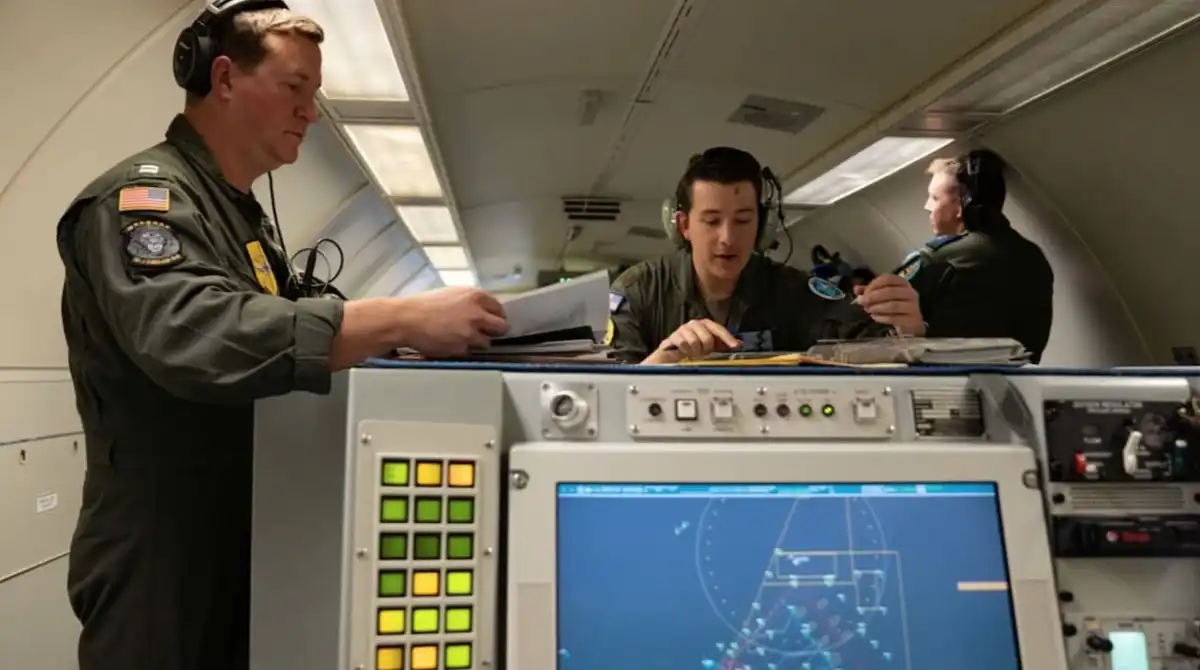
The exchange of intelligence between the US and Ukraine has returned to its previous level, Politico reported, citing sources monitoring the situation in Ukraine. Democratic Senator Mark Warner confirmed signs of improved cooperation. According to the publication’s sources, this, together with long-range strikes, has helped Kyiv strengthen its position in the war against Russia.
Briefly about the main points
- Politico has reported that intelligence-sharing between the US and Ukraine has resumed.
- Mark Warner confirmed that cooperation had improved, without going into detail.
- Senators Cornin, Vicker and Kane also noted an increase in contacts.
- An ISW analyst linked the effectiveness of the strikes to US data.
- The White House has stated that it is seeking to bring the war to an end through negotiations.
Senators are talking about reviving contacts with Kyiv
Warner, the senior Democrat on the Senate Intelligence Committee, said that arrangements for the exchange of intelligence had improved, but declined to give details. He believes that combining this cooperation with a well-thought-out strategy of long-range strikes has significantly strengthened Ukraine’s position.
Republican John Cornyn, who is also a member of the committee, said that the increase in exchanges «seems plausible». The Chair of the Senate Armed Services Committee Roger Vicker agreed that cooperation had increased at a strategically important moment. A Democrat Tim Kane Following visits to Ukraine in April 2025 and July 2026, he said he felt more confident about communication between Kyiv and Washington.
Long-range strikes are linked to an improvement in the situation on the front line
Pros. data According to Politico, Ukraine has stepped up its strikes on targets deep inside Russia in recent months. The publication reports that this has enabled the country to recapture territory and stabilise the front line, whilst also giving Kyiv leverage to put pressure on Moscow with a view to initiating substantive negotiations.
Director of Innovation and Open-Source Methods at the Institute for the Study of War George BarroHe stated that US intelligence had significantly improved the effectiveness of strikes against Russian energy infrastructure. In early July, a series of such attacks forced Russia to halt exports of diesel fuel. Barros also noted that US early-warning systems have been alerting the Ukrainian side to Russian missile attacks since the start of the full-scale war.
The White House has not provided details of the format of cooperation against the backdrop of the deadlock in negotiations
Ukraine’s position is strengthening at a time when US-mediated negotiations on a peace agreement with Moscow have reached an impasse. The publication attributes this to the negotiating team’s decision to prioritise other issues over the Ukrainian track Donald Trump with its focus on war with Iran.
The White House did not specify whether the exchange of intelligence had been expanded. In a statement, the administration emphasised that the US President wants to end the war to put a stop to the loss of life, and remains optimistic about the possibility of a peace agreement.
Intelligence cooperation is a two-way process
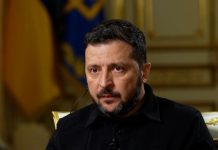
In March 2025, the White House temporarily restricted the exchange of intelligence following a failed meeting between the presidents Vladimir Zelensky and Donald Trump in the Oval Office. Subsequently, their cooperation was partially resumed.
Former US Ambassador to Ukraine John Herbst stated that Washington could also benefit from Ukrainian intelligence on Russia. An expert at the Council on Foreign Relations Stephen Sestanovich considers that the Ukrainian services’ awareness of developments in Moscow justifies a cooperative and reciprocal approach to data sharing.