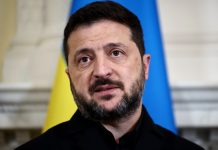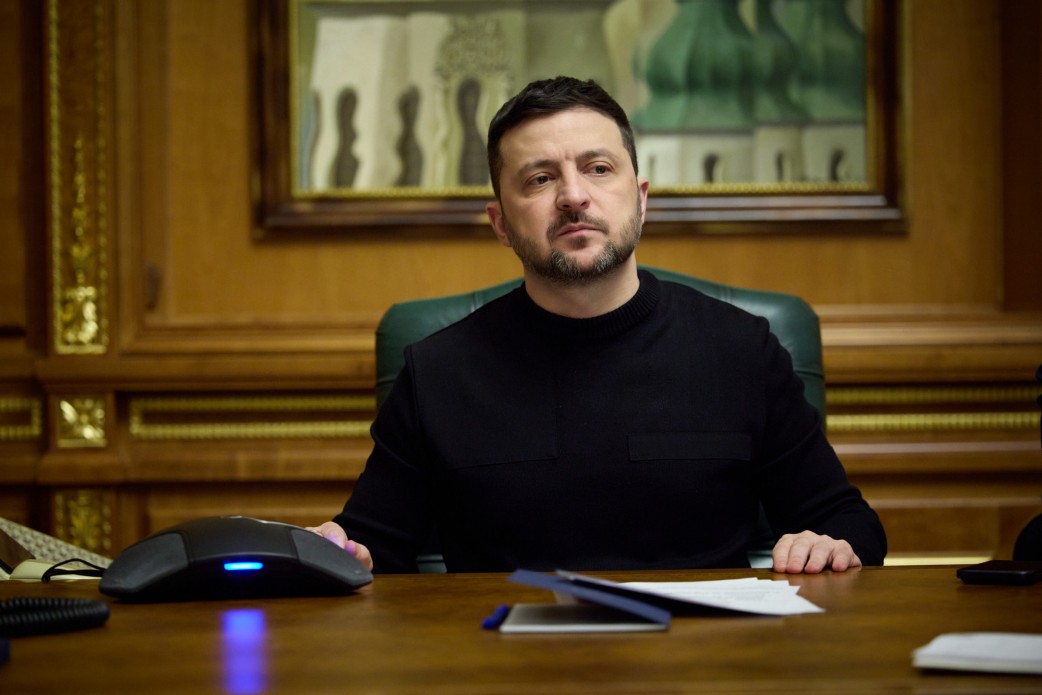
President Volodymyr Zelenskyy stated that Ukraine would be unable to win or hold out in the war if the United States were to officially side with Russia. He was describing a possible scenario, not a decision by Washington. Despite disputes with Donald Trump’s administration, the US has resumed the exchange of vital intelligence with Kyiv.
Briefly about the main points
- Zelenskyy described Washington’s support for Moscow as a critical threat to defence.
- The President distinguished US neutrality from an official alliance with Russia.
- The disagreements relate to sanctions, diesel fuel and attacks on oil refineries.
- The US has resumed the sharing of intelligence following a temporary pause.
- Ukraine and the US are preparing for possible further talks next week.
The President drew a distinction between neutrality and Washington’s alliance with Moscow
Zelensky He emphasised that ending or scaling back support for Kyiv is not the same as the US officially siding with Moscow. In his view, it is precisely such a move that would place Ukraine in a position where it could neither achieve victory nor sustain the conflict.
On 14 October, in an interview with a British journalist To Piers Morgan The President said that it was painful for Kyiv to witness these decisions Trump, who are perceived there as being more pro-Russian. At the same time, Zelenskyy stated that he was prepared to accept a mediating role for the US, if Washington will maintain true neutrality.
The President also said that Ukraine would continue to defend its independence even if relations with the United States deteriorated.
Sanctions, diesel fuel and attacks on oil refineries have become a subject of controversy
One of the reasons for the tension was an agreement reached by the Trump administration that allowed certain transactions involving Russian diesel fuel to resume. Zelenskyy criticised this decision, pointing out that the additional revenue could help Moscow to finance the war.
Separately Trump has called for an end to Ukrainian military strikes on Russian oil refineries, attributing them to rising energy prices. The Ukrainian authorities explain these attacks as necessary to weaken Russia’s military capabilities in the face of its relentless strikes on Ukraine’s energy infrastructure.
Further disagreements arose following the temporary suspension of part of the new US sanctions against Russia. The White House cited US national interests, whilst Zelenskyy warned that easing the pressure could encourage the Kremlin to continue its military operations.
Intelligence cooperation has resumed following a temporary hiatus
On 18 October, Reuters reported that the United States had resumed the sharing of vital intelligence with Ukraine. Zelenskyy confirmed this in an interview on NBC News’s ‘Meet the Press’, stating that the exchange of information was back on track.
The Ukrainian side had previously reported instances where it had not received warnings from its American partners about Russian ballistic missile launches. Trump denied that intelligence cooperation had been completely suspended.
US data is used to identify missile threats and prepare Ukraine’s air defence forces to repel attacks. The renewal of this cooperation remains one of the practical areas of security collaboration between the two countries.
Kyiv is looking forward to new contacts regarding defence and bringing the war to an end
Ukraine is seeking to secure continued US military support, strengthen its air defences and maintain the pressure of sanctions on Russia. Zelenskyy has stated that the Ukrainian and US delegations may hold further talks during the week beginning 19 October.
The parties may discuss further defence cooperation and possible diplomatic steps to bring the war to an end. Contacts between representatives of Kyiv and Washington are ongoing.