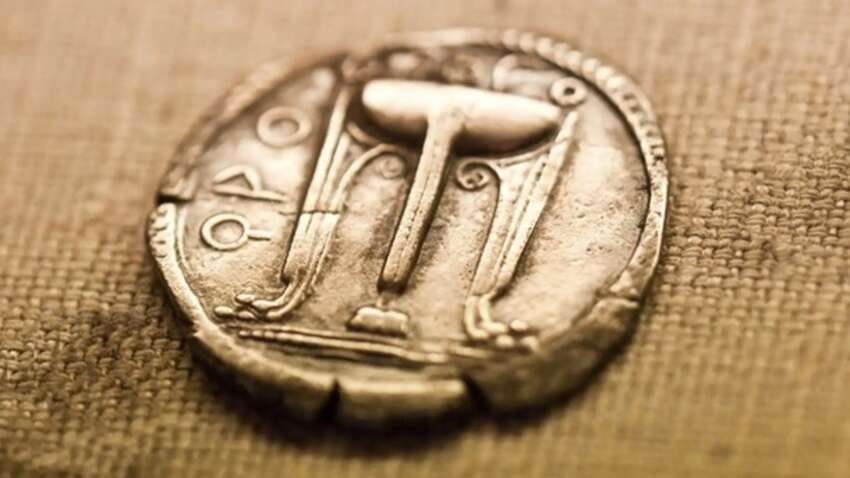
In Leeds, UK, a bus passenger handed over a coin instead of a penny, which was later linked to ancient Cádiz in southern Spain. Peter Edwards and museum experts established that it was minted in the 1st century BC. The coin ended up in the takings of Leeds City Transport, whilst the circumstances surrounding how it came to be in the passenger’s possession remain unknown.
Briefly about the main points
- The coin was found amongst the takings from bus ticket sales in Leeds.
- A passenger handed it over instead of a penny.
- Experts have linked the discovery to ancient Cádiz in southern Spain.
- The coin was minted in the 1st century BC.
- The theory that it was imported after the war has not yet been confirmed.
The coin was found amongst the takings from bus tickets
An unusual discovery was made by James Edwards, a former chief cashier at Leeds City Transport. At the end of his shift, he would count the takings from ticket sales and set aside any coins that could not be accepted as legal tender.
Among them was a coin that a passenger had handed over instead of a penny. Edwards took some of the coins he had set aside home for his little grandson St Petersburg.
The find has been linked to ancient Cadiz
Peter Edwards, together with museum experts, discovered that the coin is linked to ancient Cadiz — a settlement of Phoenician origin in the south Spain. It was minted in the 1st century BC.
Experts explained that Greek-style coins were widely used in Phoenician culture and were in high demand amongst Mediterranean traders.
James Edwards suggested that the coin might have been brought to Britain by one of the soldiers after World War II. It has not been possible to confirm this version of events.