A vaccine created with the help of artificial intelligence has shown to be safe and able to induce immunity against several coronaviruses. The development of a universal «superantigen» allows us to protect ourselves not only from current viruses but also from future mutations. The next phase of clinical trials will involve more than 200 people.
- An AI vaccine with a superantigen against viruses has been developed.
- Phase I trials confirmed safety and immune response.
- The vaccine protects against SARS-CoV-2, SARS and related bat viruses.
- The next stage is Phase II, involving more than 200 participants.
- The technology will potentially prevent future pandemics and lockdowns.
AI technology in the development of a universal vaccine
Researchers have developed a vaccine using artificial intelligence that analyses the genetic sequences of viruses to create a «superantigen» - a component that encompasses the common features of an entire family of viruses. This approach allows the immune response to be directed to unchanged areas of viruses, making it difficult for them to mutate and evade defence. The information was published by Independent.
Professor Jonathan Heaney from the University of Cambridge, stressed that the vaccine is based on the principle of «one shot for all» within the virus family, which means a significant simplification and expansion of the range of protection.
Results of the first phase of clinical trials
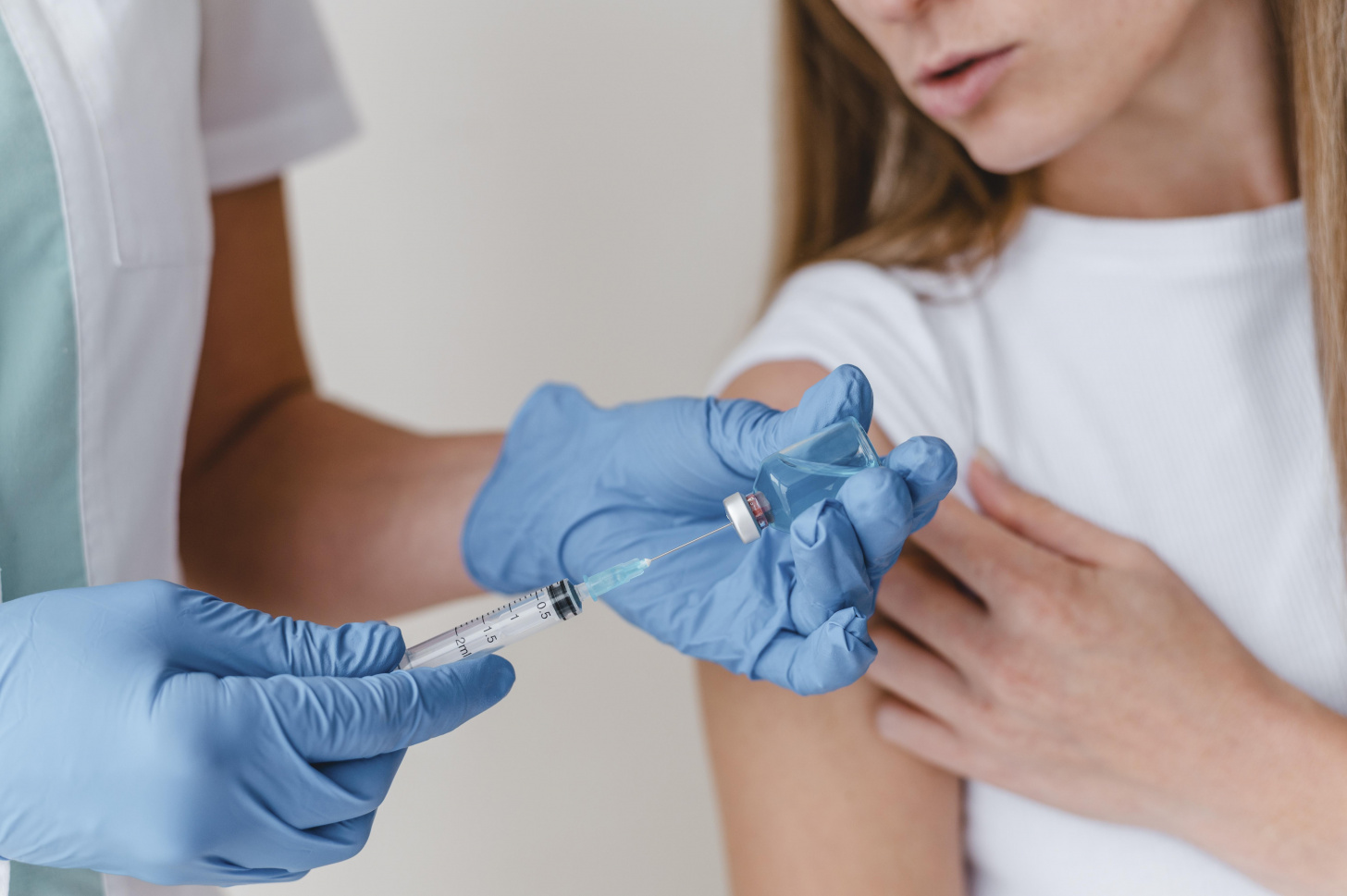
A Phase I study of 49 healthy volunteers aged 18 to 50 years confirmed the safety of the vaccine. The vaccine was administered using a needleless microgel technology that delivers the DNA vaccine directly into skin cells.
Participants showed an immune response not only against SARS-CoV-2 and SARS, but also against other coronaviruses that have the potential to spread from bats to humans. This confirms the vaccine's broad effectiveness in preventing future outbreaks.
Opportunities to counter future pandemics
Professor Sol Faust from the University of Southampton, principal investigator, emphasised the importance of creating vaccines that are ahead of the development of viruses. The new technology makes it possible to develop vaccines that can protect against numerous variants and potentially against viruses that have not yet emerged.
According to him, such a future-proof vaccination can save millions of lives, avoid lockdowns and save the economy.
Wider context and perspectives
Pandemic COVID-19 showed how quickly a new virus can spread and how difficult it is to develop effective vaccines quickly. The development of an AI vaccine with a superantigen is a breakthrough in vaccinology and changes the approach from reactive to preventive.
Scientific Director of the National Institute for Health and Care Excellence Marian Knight noted that this project is an important step towards long-term and widespread protection against viruses.
The next stage, Phase II trials involving more than 200 people, will confirm the effectiveness of immunity in a larger sample, bringing the vaccine closer to practical use.
The vaccine also has the potential to fight other virus families, such as Ebola, which is currently causing outbreaks in the Democratic Republic of Congo and Uganda, making the technology extremely relevant to global health.