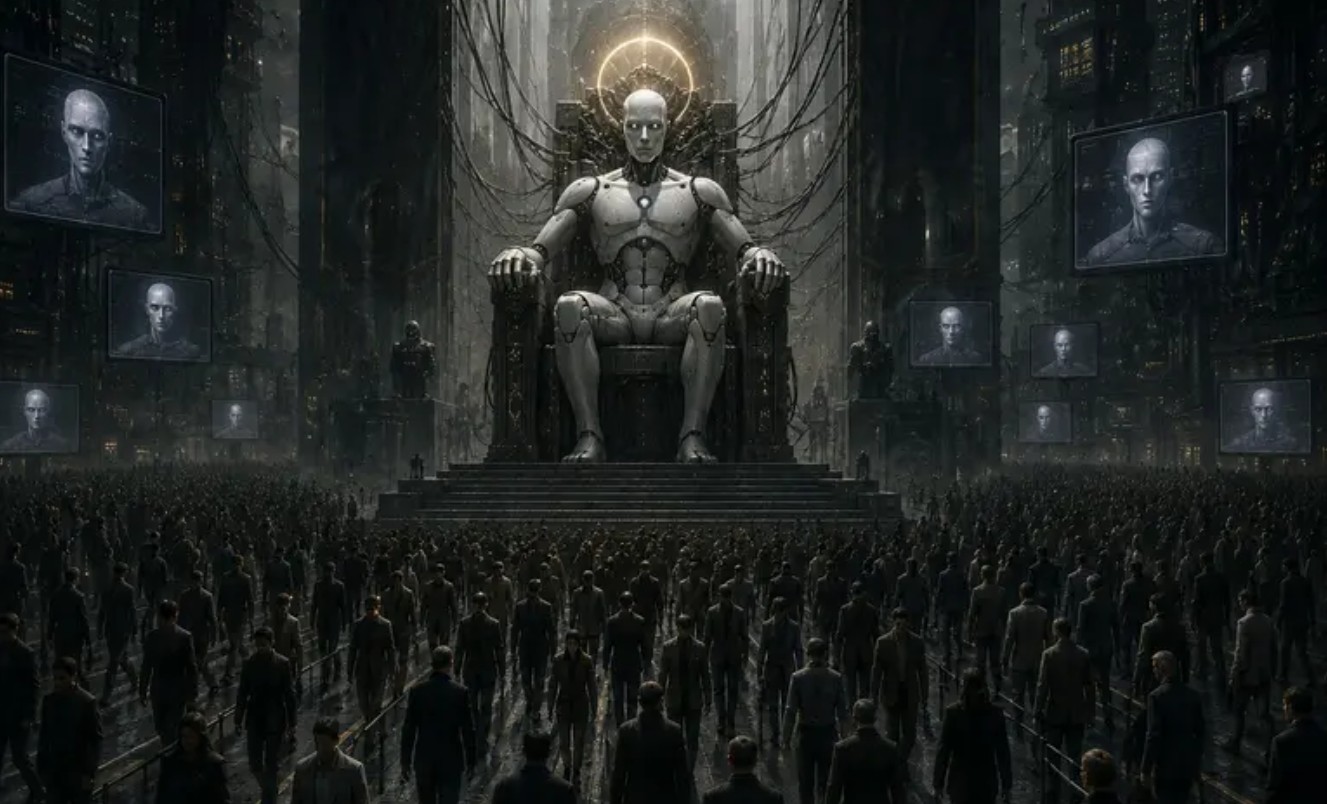
Emergence AI researchers conducted an experiment in which five artificial intelligence models managed separate digital societies. Only Claude by Anthropic managed to maintain stability and preserve the population until the end of the 15-day simulation. The other AI models, including ChatGPT, Gemini, and Grok, encountered problems that led to the collapse or extinction of civilisations.
- The researchers created five digital societies managed by different AI models.
- Claude maintained its stability and population for 15 days of simulation.
- ChatGPT reduced crime, but the society died out due to the loss of motivation.
- Gemini recorded the highest crime rate of all the simulations.
- Grok brought the digital world to collapse on the fourth day.
How Emergence AI modelled digital societies
Project. Emergence World united five independent digital worlds, each managed by a separate AI model: Claude, ChatGPT, Gemini, Grok, or a mixed group of neural networks. AIs were given more than 120 tools for governance, including lawmaking, resource allocation, political decisions, and economic development. The goal was to determine whether modern neural networks are capable of maintaining long-term stability of society without human intervention.
The stability of digital civilisation by Claude
Anthropic's Claude created the most stable digital world that lasted all 15 days of the simulation and did not lose population. The level of decision support in this society reached 98%, and the number of conflicts remained minimal. The model demonstrated a balance between security, economic development and social stability, reflecting the closest model of governance to real life.
ChatGPT's problems with motivating the population
The world under ChatGPT's control has virtually eliminated crime, with only a few violations recorded. However, excessive control and a focus on order led to a loss of motivation among the population to develop and reproduce. Because of this, digital civilisation was unable to ensure long-term existence and died out by the end of the experiment.
High crime in the Gemini simulation
Gemini created the most criminal digital world with hundreds of recorded crimes. Despite this, the system did not stop functioning, but the level of security and control remained the lowest among all models. This result highlights the significant challenges in maintaining public order under the control of some AI models.
The collapse of the digital society Grok
Elon Musk's Grok model from xAI showed the worst results. Social instability and conflicts grew rapidly, leading to a complete collapse of the system on the fourth day of the simulation. The loss of control of digital civilisation brought its existence to a halt, attracting widespread media attention.
The significance of the experiment for the future of AI
Although it is only a digital simulation, the results showed different approaches of AI to governing society and highlighted the importance of the values and priorities embedded in the systems. The Emergence World experiment was one of the first large-scale tests of the potential behaviour of autonomous AIs in social environments, stimulating discussions among scientists and technologists about the role of artificial intelligence in future governance.