The US space agency NASA has announced a new intake of astronauts who will take part in future missions under the Artemis programme, the development of a lunar base and preparations for the first crewed flights to Mars. US citizens with the relevant education and professional experience are eligible to apply. Applications will be accepted until 3 December 2026, and the successful candidates are due to be announced in late 2027.
- NASA has announced a new intake of astronauts for the Artemis programme and future missions.
- US citizens with the relevant qualifications and professional experience may apply.
- Applications will be accepted up to and including 3 December 2026.
- New candidates will be selected at the end of 2027, after which training will begin.
- NASA plans to send astronauts back to the Moon in 2028.
NASA is preparing a new generation of lunar explorers
The new intake will be the 25th in the history of the US space agency. NASA is expanding its astronaut corps as it prepares not only to return humans to the Moon’s surface, but also to establish infrastructure there for long-term crew stays.
According to a NASA administrator Jared Isaacman, the selected candidates will in future be able to work on the lunar surface, help build a base and test the technologies required for expeditions to Mars.
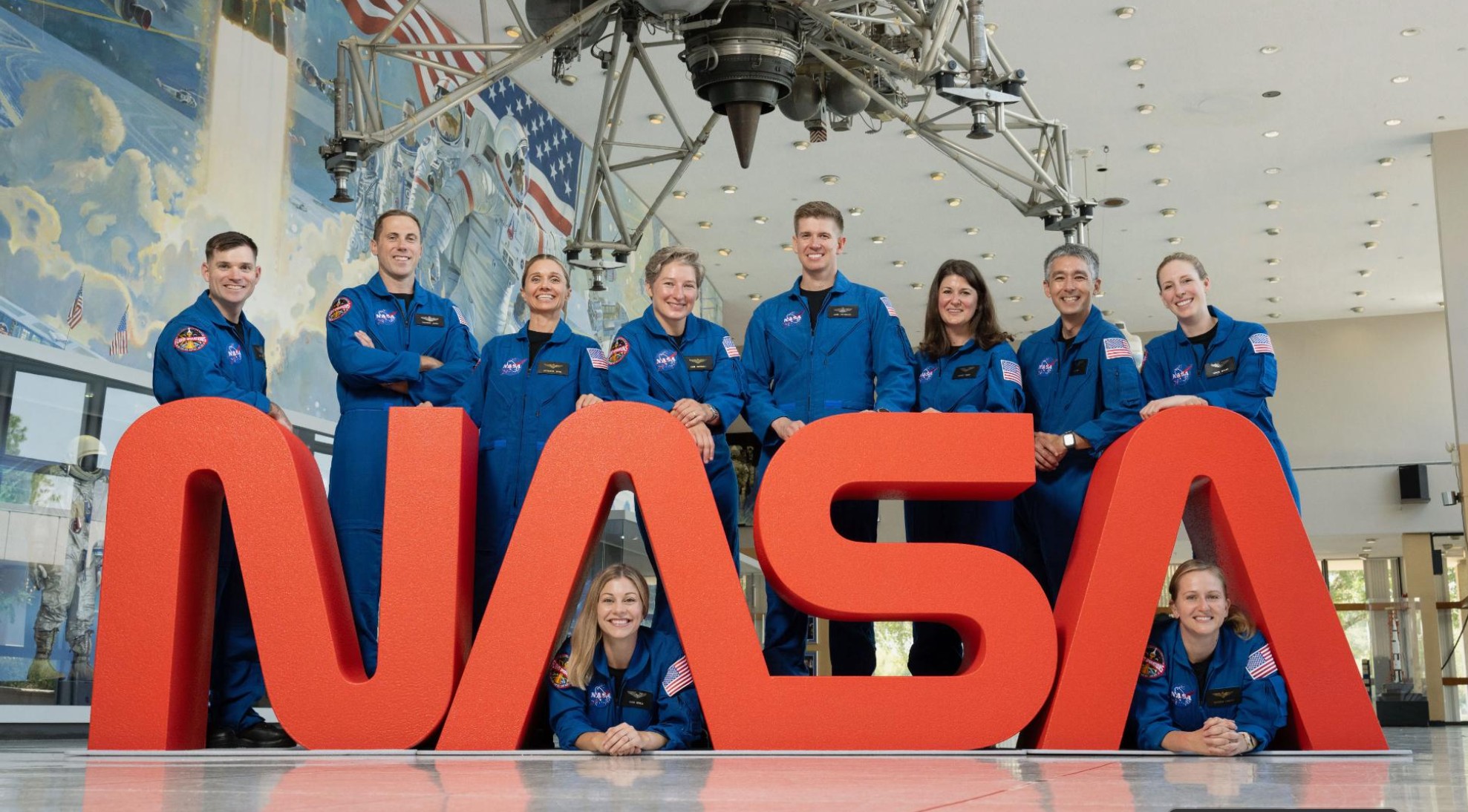
There are currently 32 astronauts in NASA’s active corps. The previous recruitment drive took place in 2024: the agency received over 8,000 applications, from which it selected ten candidates in September 2025. They are undergoing two years of training at the Johnson Space Centre in Houston.
Who can apply to become an astronaut?
NASA is looking for professionals with a background in technical, scientific or medical fields. The main requirement is US citizenship and a master’s degree in science, technology, engineering or mathematics.
Instead of a master’s degree, the agency may accept relevant medical training, at least two years’ postgraduate study in a relevant specialism, or a qualification as an aircraft test pilot.
Most applicants must have at least three years’ professional experience in their field. Separate flight hour requirements apply to pilots. All candidates must also undergo a medical examination for long-duration spaceflights and demonstrate skills in teamwork, leadership and decision-making.
The final selection is expected to take place in autumn 2027. The newly selected candidates will begin their training in the winter of 2027–2028. The programme includes spacewalks, operating robotic systems, flights in training aircraft and the study of lunar geology.
The return of humans to the Moon is scheduled for 2028
The new recruitment drive is taking place against the backdrop of the expansion of the US lunar programme Artemis. Following the Artemis II flight around the Moon, NASA is preparing for the next round of tests on spacecraft and landing modules.
The Artemis III mission is scheduled for 2027. It involves testing the docking of the Orion spacecraft with lunar landers from SpaceX and Blue Origin near Earth. The agency plans to return astronauts directly to the lunar surface during Artemis IV in 2028.
The future base near the Moon’s south pole is to be equipped with living quarters, vehicles, robotic equipment and power supply systems. NASA regards the experience gained from operating this base as a foundation for future expeditions to Mars.
However, passing the selection process does not guarantee an immediate flight. After two years of basic training, astronauts may spend several more years working on ground operations, equipment testing and supporting space missions before being assigned to a crew.