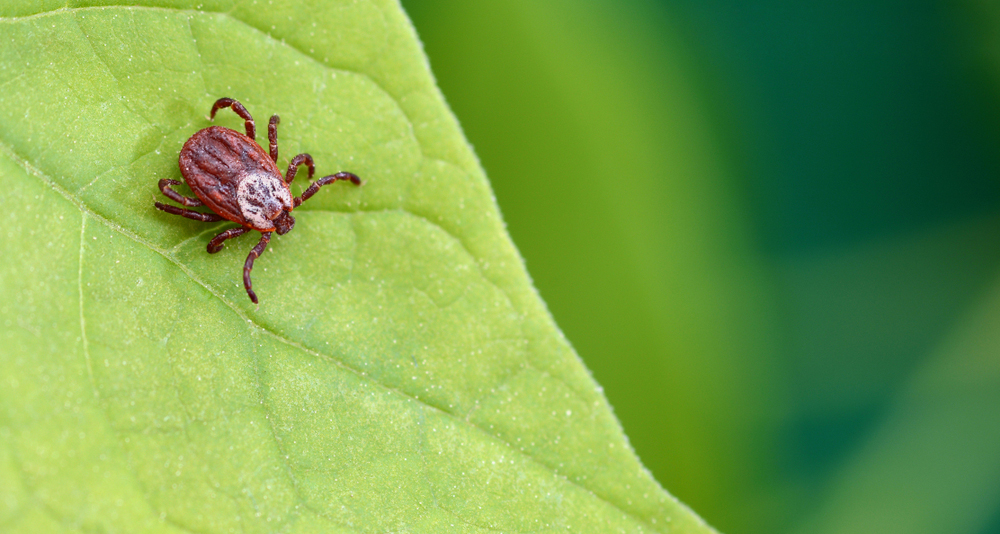
The US has seen a sharp rise in cases of Powassan virus infection, which is transmitted through the bites of infected ticks. The infection can lead to serious damage to the nervous system.
- Rise in cases of infection with the Povassan virus in the US.
- The virus is transmitted via tick bites within 15 minutes.
- May cause serious damage to the nervous system.
- There is currently no specific treatment.
- Prevention involves protecting oneself against tick bites.
The dangerous Povaszan virus in the US
In the US, doctors are seeing an increase in cases infection with the Povassan virus, a rare but dangerous infection transmitted by tick bites. According to Dr Jorge Paradí, a medical adviser to the National Pest Control Association in the US, the virus spreads much more quickly than the pathogen that causes Lyme disease.
Rapid transmission of the infection
Infection with the Powassan virus can occur as early as 15 minutes after being bitten by an infected tick. By comparison, the bacteria that cause Lyme disease take 36–48 hours to be transmitted whilst on a person’s body. This makes the virus particularly dangerous for people who spend time in the countryside.
Symptoms and complications
In most cases, the disease is asymptomatic or is accompanied by a fever, headache, weakness and vomiting. However, in severe cases, the virus can cause encephalitis or meningitis, leading to damage to the central nervous system, seizures and impaired consciousness.
Lack of specific treatment
As of today There are no medicines that directly treat the Povassan virus. Treatment is supportive: patients are advised to drink plenty of fluids, rest and take symptomatic relief. In severe cases, hospitalisation and respiratory support may be required.
Why it matters
Although the Powassan virus remains relatively rare, its rapid transmission and the risk of severe neurological complications are a cause for concern amongst medical professionals. The most effective form of prevention remains protection against tick bites: the use of repellents, covering up with clothing, and a thorough check of the body after spending time outdoors.