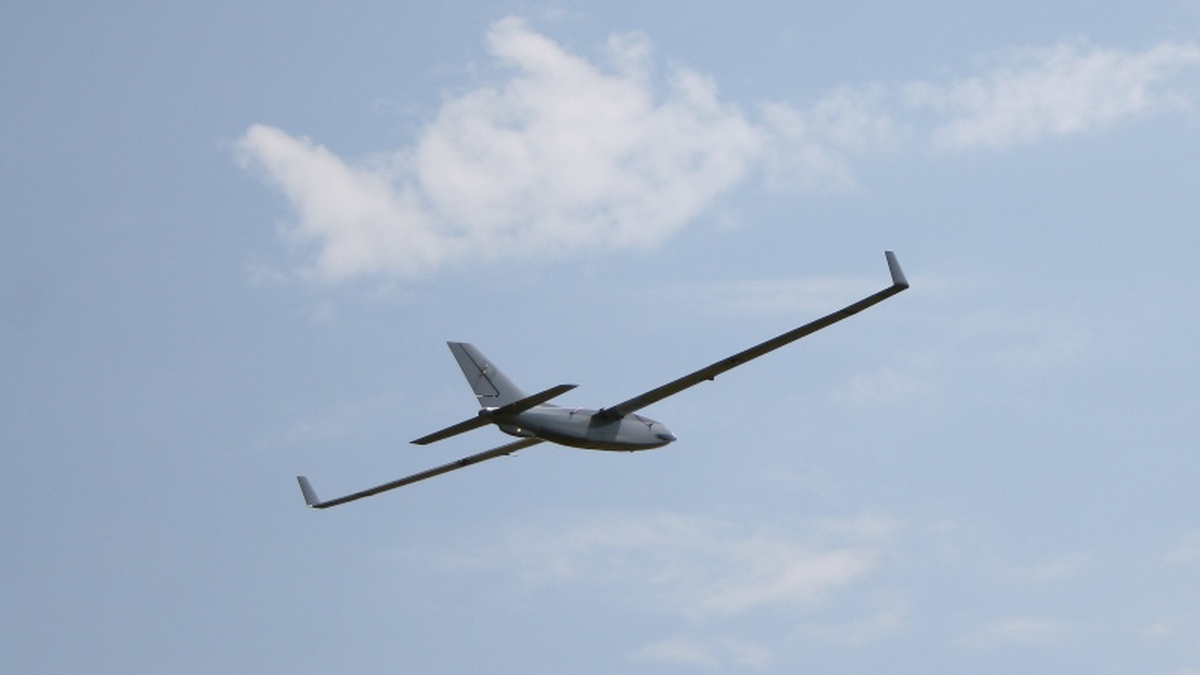
Russia has developed a drone specifically designed to target metal power line pylons, according to Major-General Vadym Skibitsky, Deputy Head of the Main Intelligence Directorate of the Ministry of Defence. According to him, an explosive device capable of cutting through metal is embedded in the drone’s wings. The intelligence service has warned of additional risks to the energy sector ahead of the autumn and winter period.
Briefly about the main points
- The Russian Federation’s new UAV is designed to target metal power line pylons.
- The explosive device in the drone’s wings is capable of cutting through metal.
- The Main Intelligence Directorate has not disclosed the name or technical specifications of the aircraft.
- During the winter, the electricity and heating sectors remain vulnerable.
- Intelligence sources also cite gas infrastructure and the water supply system as potential targets.
What is known about the development
On the emergence of a new weapon Skibitsky he said in an interview with RBC-Ukraine. He was referring to power line pylons — metal structures that form a physical part of overhead power lines.
The Main Intelligence Directorate does not specify the model of the drone, nor does it disclose details regarding its range, guidance system, warhead weight or production scale.
What objectives might Russia set itself ahead of the cold season?
According to the Main Intelligence Directorate, the electricity sector and the system remain among the most vulnerable areas during the winter heat supply. Skibitsky said that the overall list of priorities for Russian strikes remains unchanged.
Intelligence agencies classify these as facilities within the defence-industrial complex, military infrastructure, the energy sector, logistics and petrol stations. Other potential targets mentioned include water supply systems, gas transmission infrastructure and gas production facilities, particularly in the Poltava and Kharkiv regions, which Russia has already attacked.
According to Skibitsky, the Russian side is using space-based assets to conduct reconnaissance on critical infrastructure throughout Ukraine.
Previous attacks on energy and gas facilities
In July, Reuters reported attacks by small FPV drones on fibre-optic cables at high-voltage substations in the Sumy region. This is a different, already known type of threat: the published data does not allow these devices to be identified as the drone mentioned by the Main Intelligence Directorate.
17 August «Naftogaz» reported 13 attacks on the group’s facilities over the course of a week in various regions. The company stated that there had been significant damage to production facilities and equipment, and that operations at some of the facilities had been suspended.".
The UN Human Rights Monitoring Mission documented that, during the winter of 2025–2026, Russian forces systematically attacked electricity generation, transmission and distribution facilities. Such strikes caused emergency power cuts, whilst damage to heating infrastructure left people without heating and hot water for weeks.
Damage to a pylon may complicate the restoration of electricity supply; however, the consequences depend on the specific power line, alternative routes, the nature of the damage and the speed of repairs.