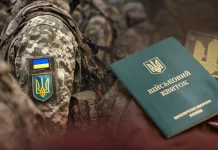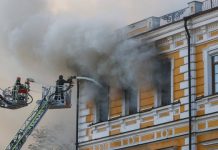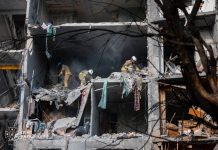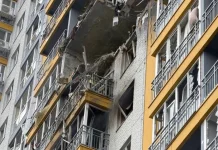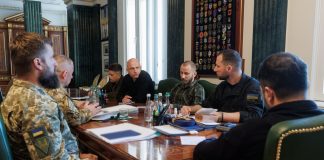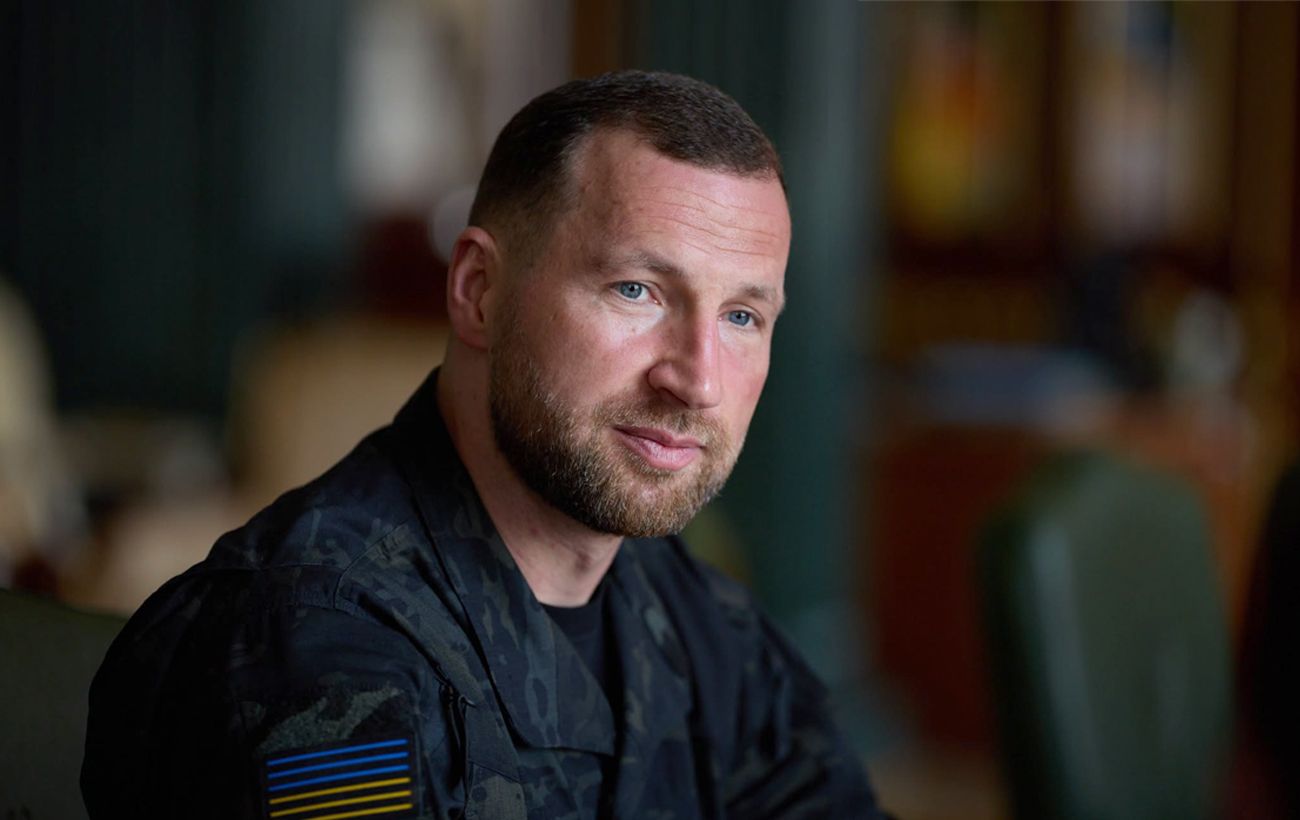
Defence Minister Yevhen Khmara visited Air Force command posts in the Kyiv region and discussed with military personnel how to adapt the capital’s defences to new Russian strike tactics. He described the key task as intercepting Russian weapons before they reach Kyiv. The Ministry of Defence reported on the visit on 29 September.
Briefly about the main points
- Khmara visited the Air Force command posts in the Kyiv region.
- Defences around the capital are to be stepped up in response to changes in Russian tactics.
- The air force, air defence forces and mobile units will be adapted to the new conditions.
- The military explained the stages involved in detecting, tracking and destroying targets.
- The Minister discussed the units’ capabilities, resources and requirements with them.
The air force, air defence and mobile units must operate under the new conditions
According to Clouds, all components of air defence – the air force, air defence units and mobile fire groups – must adapt to the new conditions. Together with military officials, he outlined the approaches needed to strengthen the capital’s layered defence and improve the effectiveness of countermeasures against attacks.
On 28 September, the President Volodymyr Zelenskyy stated that Russia had used more than 120 in the past 24 hours attack drones, nearly 90 of them were unmanned aerial vehicles. He noted that the success rate in countering such drones is lower than the overall success rate for shooting down attack UAVs, and that new interceptors are currently undergoing testing.
The military personnel spoke about their combat operations and the needs of their units
At the command posts, the military personnel described the key stages of combat operations: the detection and tracking of aerial targets, decision-making and the neutralisation of threats. Khmara spoke separately with combat pilots and systems operators AIR DEFENCE.
During the conversation, they discussed their assessments of the situation, the forces and resources at their disposal, and the needs of the units. Earlier, the Air Force reported that, in repelling the massive attacks, they were deploying, among other things, aircraft, anti-aircraft missile units, electronic warfare assets, unmanned aerial vehicle units and mobile fire support groups.