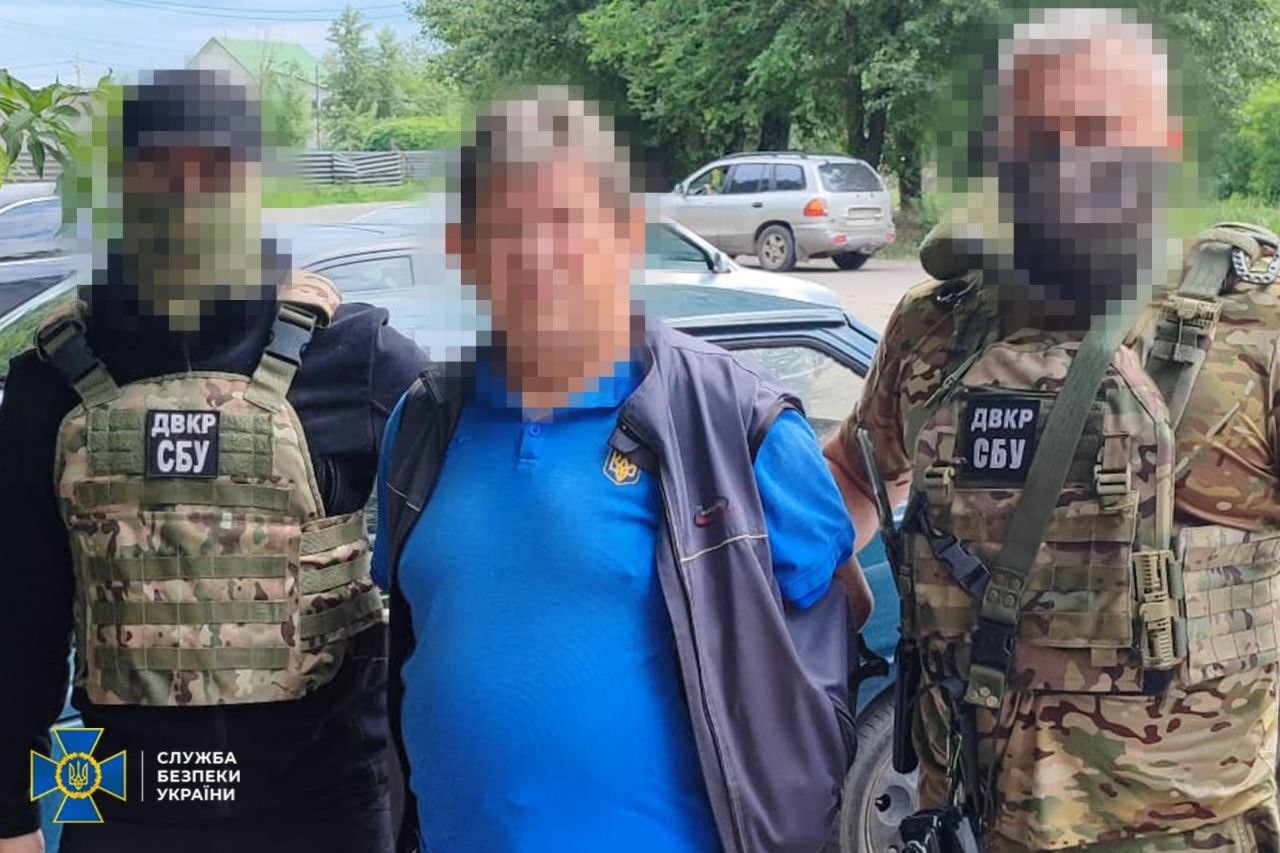
The Security Service of Ukraine has detained an FSB agent in Dnipro who was coordinating shelling operations in three regions. The man, a rehabilitation coach for children with disabilities, was passing information to the enemy regarding the locations of Ukrainian air defence systems and military facilities. He stored the information he gathered on his smartphone and sent it to his handler via Telegram.
- The SBU has detained an FSB agent in Dnipro who was recruited via Telegram.
- The perpetrator directed the shelling of the Kharkiv, Dnipropetrovsk and Poltava regions.
- He passed on the coordinates of Ukrainian air defence systems and military installations.
- I used Google Maps and my smartphone to transfer the data.
The activities of an FSB agent in Dnipro
Officers from the Security Service of Ukraine have exposed an FSB agent in Dnipro who was providing intelligence bombardments in the Kharkiv, Dnipropetrovsk and Poltava regions. The suspect turned out to be a rehabilitation coach for children with disabilities who had been recruited by the Russian secret service.
Methods of collecting and transmitting information
The perpetrator personally surveyed military sites whilst travelling in his own vehicle. He marked potential targets on Google Maps, made detailed descriptions of the terrain and stored this data on his smartphone. He passed on the coordinates he obtained to his handler FSB.
According to the case file, the agent was recruited via a Telegram channel that promised «easy money». It was this channel that became the link to the Russian secret service.
Measures taken by the SBU to secure locations
Following the exposure of the agent, SBU officers carried out a series of measures to ensure the security of Ukrainian Defence Forces locations in an area subject to potential enemy reconnaissance. These measures are designed to minimise the risk of further shelling and to protect the lives of military personnel and civilians.
The importance of whistleblowing for Ukraine's security
The exposure of an FSB agent is evidence of the active operations of the Russian security services within Ukraine, involving local residents. Eliminating such threats is a priority for the SBU in ensuring the resilience of the country’s defences.