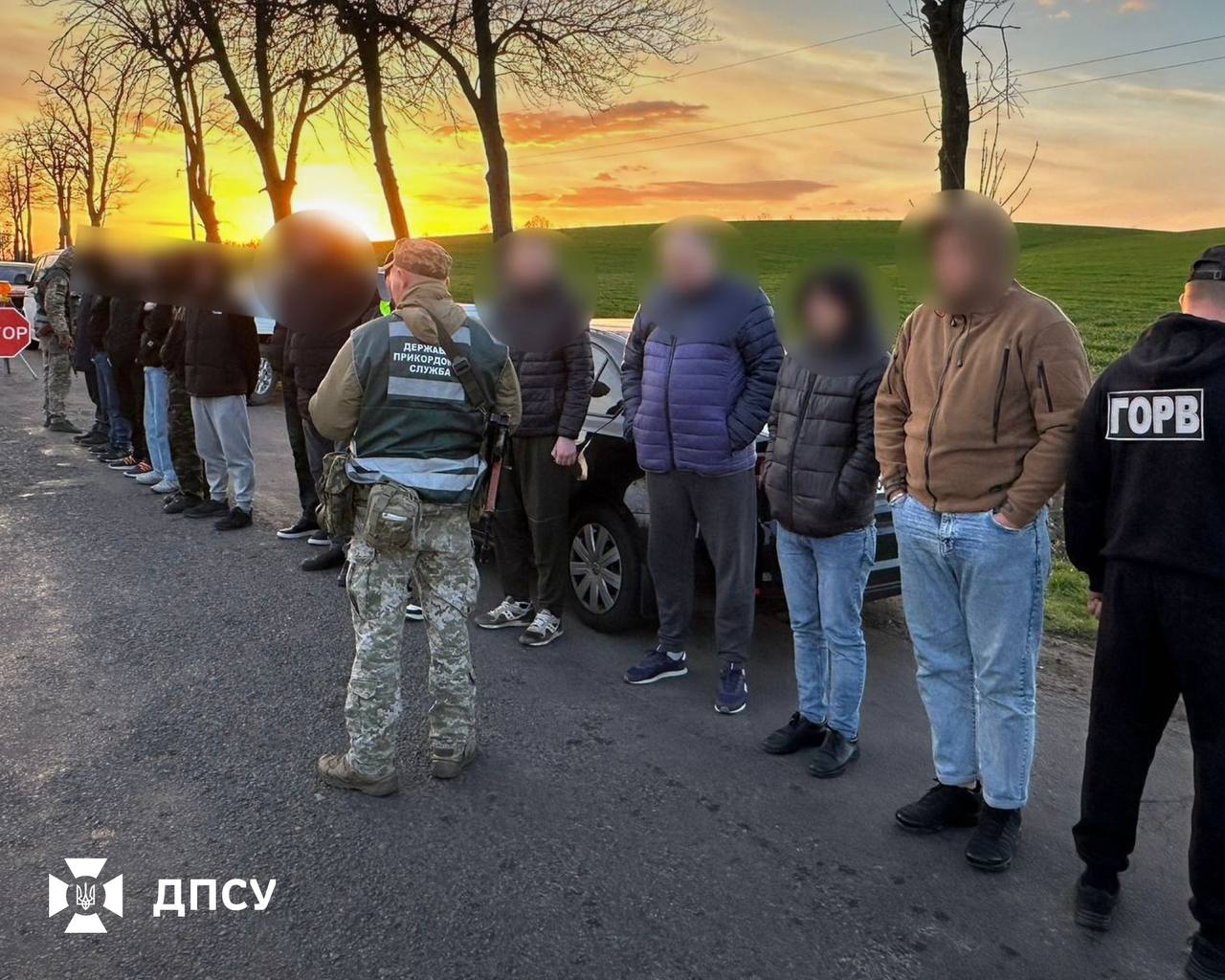
On the Ukrainian-Moldovan border, 13 men were detained who were trying to illegally leave Ukraine. Border guards of the Podil detachment stopped three cars with passengers from different regions. The attempt was organised by a telegram channel administrator who promised help for significant sums of money.
Multi-regional «motorcade» on the border
On the border with Moldova, border guards of the Podil detachment detected three cars moving towards the Transnistrian segment of the state border. By. information STATE BORDER GUARD SERVICE OF UKRAINE, The vehicles were carrying a large group of men from different regions of Ukraine who were trying to illegally leave the country.
In total, there were 13 people in the detained cars, nine of whom used the services of the same organiser. The servicemen note that such attempts to cross the border are not uncommon, but the scale of this group is impressive.
Scheme of organising illegal crossing
It was established that the organiser was the administrator of one of the telegram channels. He provided the men with detailed instructions and organised their transfer to the border. For successful crossing each passenger had to pay from $10,000 to $12,000 to a crypto wallet.
However, the deal did not go through: border guards stopped the motorcade before the final transaction took place. The drivers and another passenger-assistant may now face criminal liability, and administrative reports have been drawn up against the passengers.
Liability and consequences
The three drivers and one passenger, who helped the organisers, face criminal liability for attempting to illegally transport people across the state border. Such actions are punishable in accordance with the current legislation of Ukraine.
Administrative reports were drawn up against the passengers who tried to cross the border. Such cases pose a serious challenge to the Border Guard Service, as organised border crossing schemes are becoming increasingly large and complex.
Why it matters
The detention of a large group of offenders at the border with Moldova indicates the growth of organised crime related to illegal travel from Ukraine. The exposure of such schemes helps not only to bring direct participants to justice, but also to identify organisers who use modern technology to coordinate their actions.
Strengthening the protection of the state border and the effective work of border guards are key to the country's security, especially under martial law. Each such case highlights the need to further improve the system of control and prevention of illegal migration.