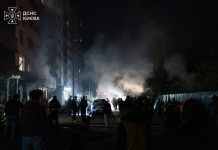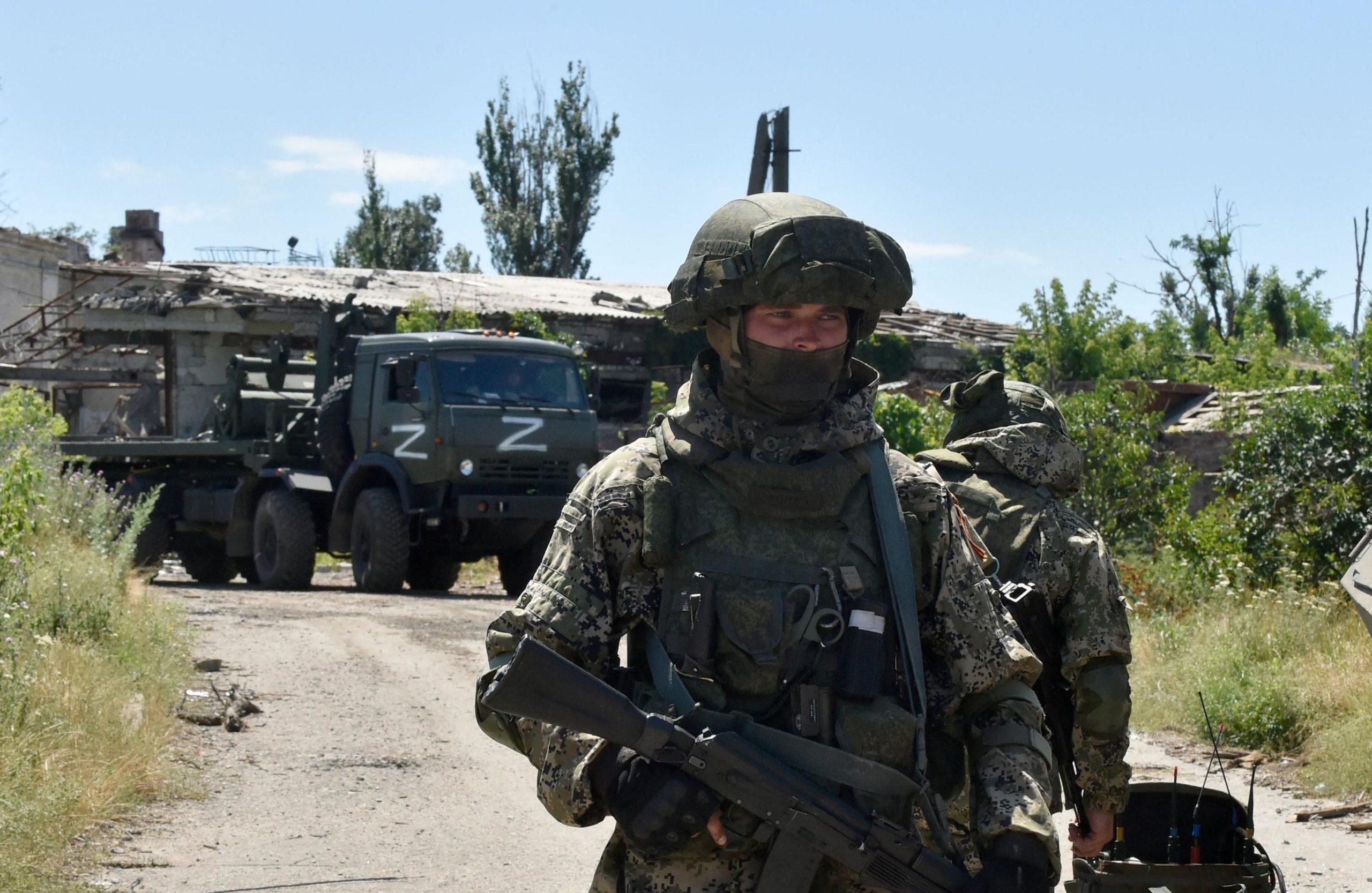
Russia may form a strike force to launch an offensive from the north, specifically targeting the Kyiv and Chernihiv regions, around February 2027, should it carry out a new mobilisation. This was stated by Vadym Skibitsky, Deputy Head of the Main Intelligence Directorate. At present, intelligence has detected neither preparatory signs nor the forces required for such an operation.
Briefly about the main points
- The Main Intelligence Directorate links the risk of an operation from the north to the Russian Federation’s new mobilisation.
- It will take several months to build up and train Russia’s forces.
- There are currently no signs of preparations for an offensive from the north.
- The Russian Federation’s losses in June and July exceeded its contractual recruitment target.
- Without mobilisation, the Russian Federation will be unable to form new units.
The timeframe depends on the scale of the mobilisation
According to Vadym Skibitsky, the timeframe for the possible formation of forces will depend on whether Moscow announces mobilisation and how many people it will recruit. After that, it will take Russia several months to assemble and train a combat-ready force.
As a point of reference, a representative of the Main Intelligence Directorate cited the partial mobilisation in autumn 2022. It began in the second half of October, and units capable of engaging in combat arrived at the front mainly in January 2023; some had already arrived in December.
Skibitsky also suggested that the Russian command might choose February for such an operation because of the attitude Vladimir Putin on significant dates. At the same time, he emphasised that this scenario is not set in stone and depends directly on the Kremlin’s mobilisation decisions.
Intelligence sees no practical signs of an operation from the north
In theory, Russian troops could launch an offensive from the north as early as 2026, said the deputy head of the Main Intelligence Directorate. However, in practice, in his view, the conditions for this do not exist.
Intelligence has not observed any indicators that would suggest preparations for such an operation. Nor does Russia have the necessary troop concentrations for a large-scale offensive in this direction.
The GUR’s assessment relates to the current situation: the possibility of a future deployment of forces is linked not to existing resources, but to potential reinforcements for the army through mobilisation.
The Russian Armed Forces’ casualties are outpacing conscription
A manpower shortage is one of the factors that could lead Moscow to resort to mobilisation. According to the Main Intelligence Directorate, in June casualties in the Russian army numbered around 39,000 military personnel, whilst approximately 36,000 people had signed contracts with the Russian Ministry of Defence.
In July, Russia’s casualties totalled at least 40,000 killed and wounded. During the same month, around 39,000 people signed up as contract soldiers.
Without mobilisation, Russia is unable to form new units, Skibitsky stated. In particular, the Russian command plans to expand its existing combat brigades into divisions, but it lacks the personnel to do so.