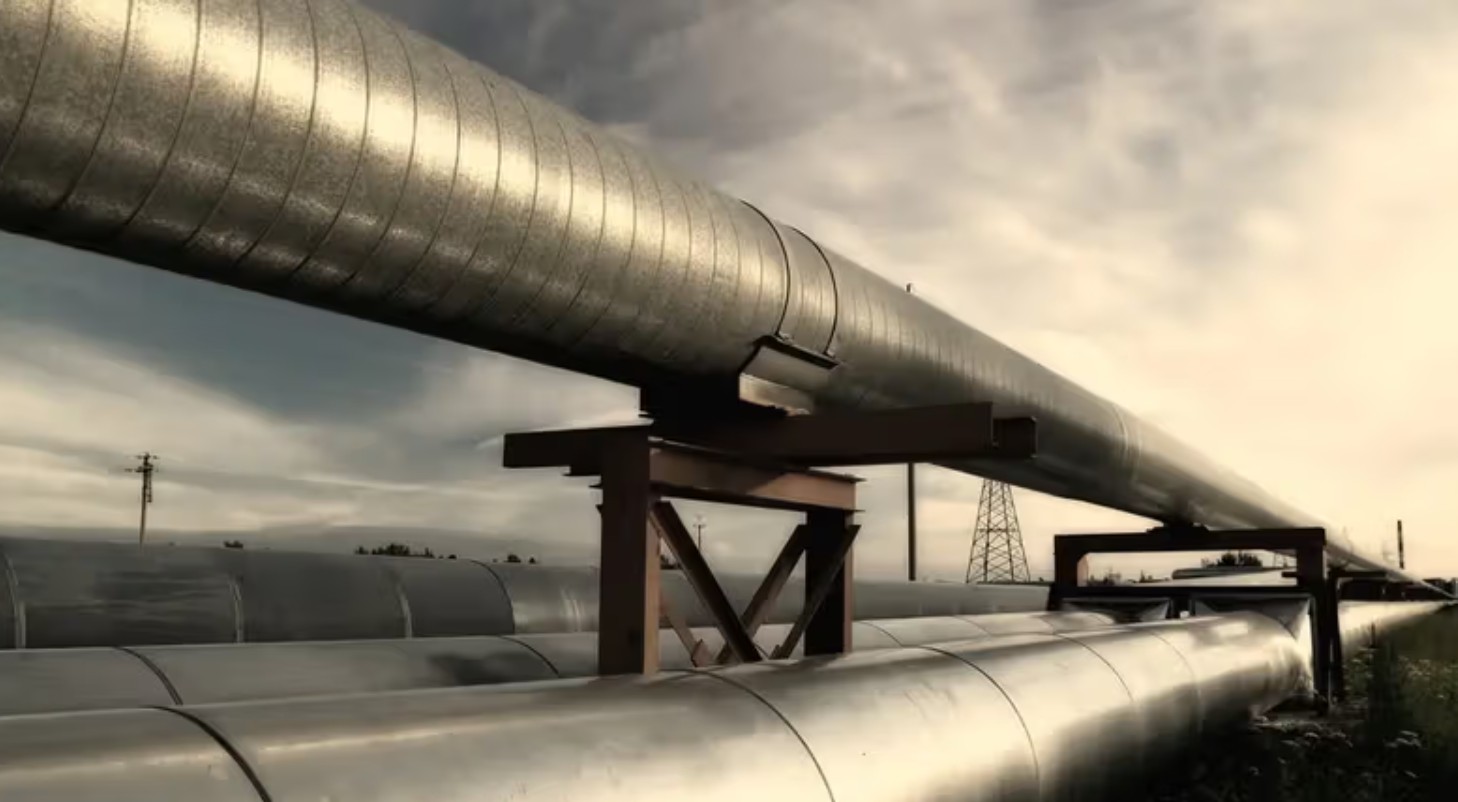
Algeria has begun construction of a section of the Trans-Adriatic Gas Pipeline, which will be part of a large-scale project to supply African gas to Europe. The 4,000-km-long pipeline will connect Nigeria, Niger and Algeria, providing up to 30 bcm of gas annually. The project is expected to strengthen the EU's energy security and promote economic development in the region.
- Algeria has started construction of a 1,210 km section of the Trans-Arabian gas pipeline.
- Planned gas supplies to Europe will amount to up to 30 bcm annually.
- Niger will begin construction of its site in 2027.
- The pipeline will strengthen Europe's energy security and African integration.
Start of construction in Algeria and project scope
According to the information Africa Business Insider, Algeria has begun construction of an approximately 1,210-kilometre section of the pipeline, which will run from the Niger border to the city of Aoulef in the south of the country. This part of the project is key to connecting with the existing infrastructure leading to the Hassi R'Mel gas hub. The total length of the Trans-Adriatic Pipeline is 4,128 km and it will pass through Nigeria, Niger and Algeria.
Gas transport for Europe
The pipeline is expected to supply up to 30 billion cubic metres of natural gas annually. The gas from Nigeria will be transported through Niger to Algeria, where it will be connected to the existing network for transportation to Mediterranean export terminals and further to European markets. Algeria provides about 12% of gas imports to the European Union, which creates a strong base for expanding supplies.
Economic and social impact on the region
Minister of Oil of Niger Hamadou Tini called the project a «historic undertaking» that will have a significant economic and social impact on communities along the pipeline route. Algeria's Energy Minister Mohamed Arkab stressed that the construction will drive development, create jobs and strengthen African energy integration.
Niger work plan and next steps
Niger plans to start work on its 720 km section in early 2027. The successful completion of all sections depends on securing funding, overcoming security concerns and completing the necessary infrastructure in each of the participating countries.
Competition with an alternative route
The Trans-Adriatic Gas Pipeline project faces competition from the Nigeria-Morocco gas pipeline, which will run along the Atlantic coast. This route would connect several West African countries before reaching Morocco, with the prospect of supplying gas to Europe. Both projects reflect Africa's efforts to tighten control over gas exports and diversify energy routes.