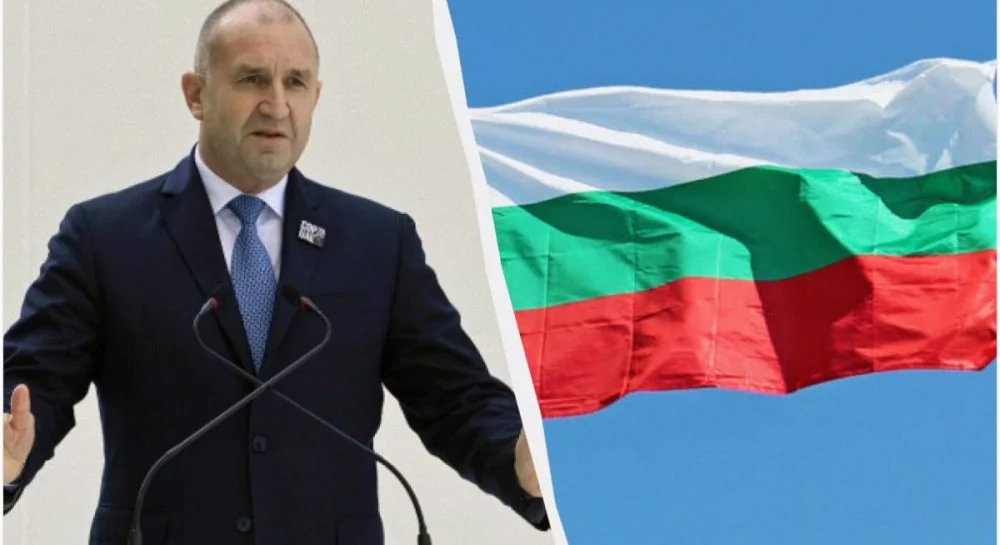
Bulgaria will no longer supply Ukraine with weapons and ammunition from its own army’s stocks, nor will it take part in the new round of European funding for Ukraine’s needs. This was announced on 13 November 2026 by Bulgarian Prime Minister Rumen Radev during a meeting of European leaders in Dublin. He attributed the decision to budgetary constraints and emphasised that Sofia would not block aid from other EU states. Meanwhile, Polish Prime Minister Donald Tusk announced a temporary suspension of new contributions to the PURL programme, under which allies procure US weapons for Ukraine.
- Bulgaria will no longer supply Ukraine with weapons and ammunition from its army’s depots.
- Sofia is refusing to make any further financial contributions due to the state budget deficit.
- Prime Minister Rumen Radev has stated that Bulgaria will not block aid to Ukraine from other EU countries.
- The country permits humanitarian aid, including the supply of electricity and medical assistance.
- Poland has also temporarily suspended new contributions to the PURL programme for the procurement of US weapons.
Why is Bulgaria turning down military and financial aid?
Prime Minister Rumen Radev He stated that his country is subject to an EU procedure due to an excessive budget deficit. According to him, financial reserves are limited, so the government is unable to allocate additional funds to support Ukraine.
Radev He also confirmed that the transfer of weapons and ammunition from the Bulgarian army’s stocks had ceased. However, this decision does not imply an automatic cessation of all forms of cooperation between the countries, in particular the commercial export of defence products.
The Bulgarian Prime Minister emphasised that he would not prevent other EU countries from providing funding to Ukraine.
«We are not blocking anyone in this situation», said Radev.
At the same time Sofia is prepared to discuss aid mechanisms under which funds would be channelled not towards the purchase of weapons, but towards humanitarian needs. Specifically, this refers to medical care, electricity supply and support for the Bulgarian community in Ukraine.
Back on 10 November, Radev stated that Bulgaria would not be participating in the proposed new EU financial package for Ukraine, worth 70 billion euros. At the time, he emphasised that the country was continuing to assist Ukrainians in the humanitarian and energy sectors.
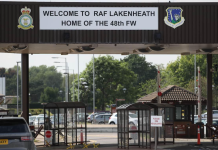
Poland has suspended funding for the PURL programme
13 November, the Prime Minister of Poland Donald Tusk said. Warsaw is temporarily suspending the allocation of additional funds for the procurement of American weapons for Ukraine through the programme PURL.
According to Tusk, he personally informed NATO Secretary-General Mark Rutte of this.
The main reasons were Poland’s substantial defence spending and its high budget deficit. Tusk emphasised that his country had already provided Ukraine with extensive support and continues to assist it in other ways.
The PURL (Prioritised Ukraine Requirements List) programme was launched in July 2025. It enables NATO countries and partners to fund the procurement of US military equipment, ammunition and air defence systems for Ukraine.
According to official NATO figures, the total value of procurements funded under the PURL has already exceeded 6 billion dollars. Poland’s decision relates to its own future contributions, rather than the suspension of the entire programme, in which other states are involved.
Will Ukraine be left without assistance from Bulgaria and Poland?
The statements by the two prime ministers relate to different mechanisms for supporting Ukraine. Bulgaria is refusing to take on new financial commitments or to transfer weapons from its military stocks, whilst Poland does not currently plan to make any additional contributions to the PURL.
However, none of these statements implies a complete cessation of all forms of assistance to Ukraine.
The Bulgarian government has indicated that it is open to providing further humanitarian support, whilst Poland has not announced that it is withdrawing from other defence or logistical aid programmes.
As at 14 November 2026, both states had confirmed restrictions on certain areas of support. At the same time, the PURL programme remains in force, whilst funding for new European aid to Ukraine remains the subject of negotiations between EU member states.