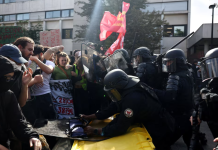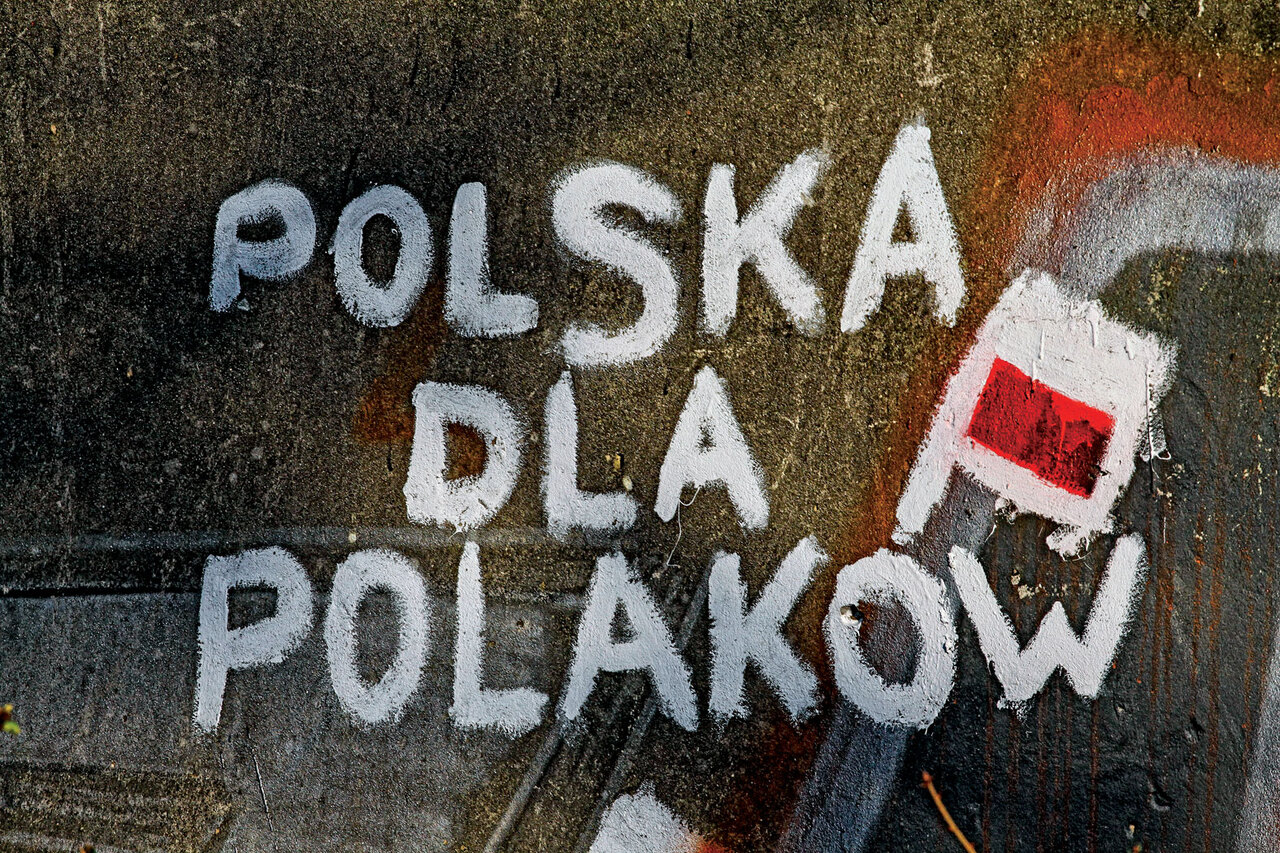
The Centre for Countering Disinformation at the National Security and Defence Council has reported the coordinated dissemination of false claims about Ukrainians on the Polish section of TikTok. The claims relate to alleged non-payment for fuel, «widespread» crime and the preparation of drone attacks on Poland. The Centre believes that the campaign is intended to foster negative attitudes towards Ukrainians and provoke conflicts.
Briefly about the main points
- The Centre for Digital Policy has identified similar anti-Ukrainian posts on TikTok in Poland.
- The false reports concern fuel, crime and drones.
- Individual criminal cases may be presented as if they were part of a widespread trend.
- According to the Centre’s assessment, the campaign serves Russia’s interests.
- You are advised to check and report suspicious posts via TikTok’s reporting system.
What themes are being promoted in the videos and posts?
One narrative claims that, since the start of 2025, Ukrainians have allegedly failed to pay Polish companies for the fuel they have received. The Centre has described this information as false.
Another group of publications creates a false impression of alleged widespread serious crimes and murders committed by Ukrainian citizens. To this end, individual criminal incidents are presented as a general trend, or fabricated stories are used.
The authors also claim that Ukraine is preparing drone attacks on Polish territory. There is no evidence of such plans in the relevant publications.
The CPD links the smear campaign to an attempt to sow discord within society
In the Centre’s view, the widespread dissemination of similar stories is intended to fuel hatred towards Ukrainians and provoke conflicts between Polish and Ukrainian citizens. Other possible objectives cited include the deterioration of bilateral relations and the destabilisation of the domestic political situation in Poland.
The Centre for Digital Policy (CDP) assesses the campaign as being in the interests of Russia, which is conducting information operations in Poland and other European countries. At the same time, the Centre did not provide any technical evidence that would allow each identified TikTok account to be directly linked to Russian state bodies.
In July, the Polish Foreign Ministry also stated that Russian propaganda was exploiting sensitive issues, in particular the Volhynia tragedy, in order to deepen the rift between Poles and Ukrainians.
Where to check for fake news about Ukrainians in Poland
Information about crimes should be cross-checked against reports from the Polish police, the public prosecutor’s office and local authorities. Details regarding international payments, fuel supplies or government programmes should be sought on the websites of governments and relevant companies.
Videos without a link to the original source, from an anonymous author, or containing emotional appeals should not be shared until they have been verified. For videos, it is helpful to look for the earliest publication and check the language, captions, vehicles, uniforms and other details in the footage.
Suspicious content can be flagged as disinformation via TikTok’s reporting tools. Official rebuttals of disinformation are also published by the Centre for Countering Disinformation.