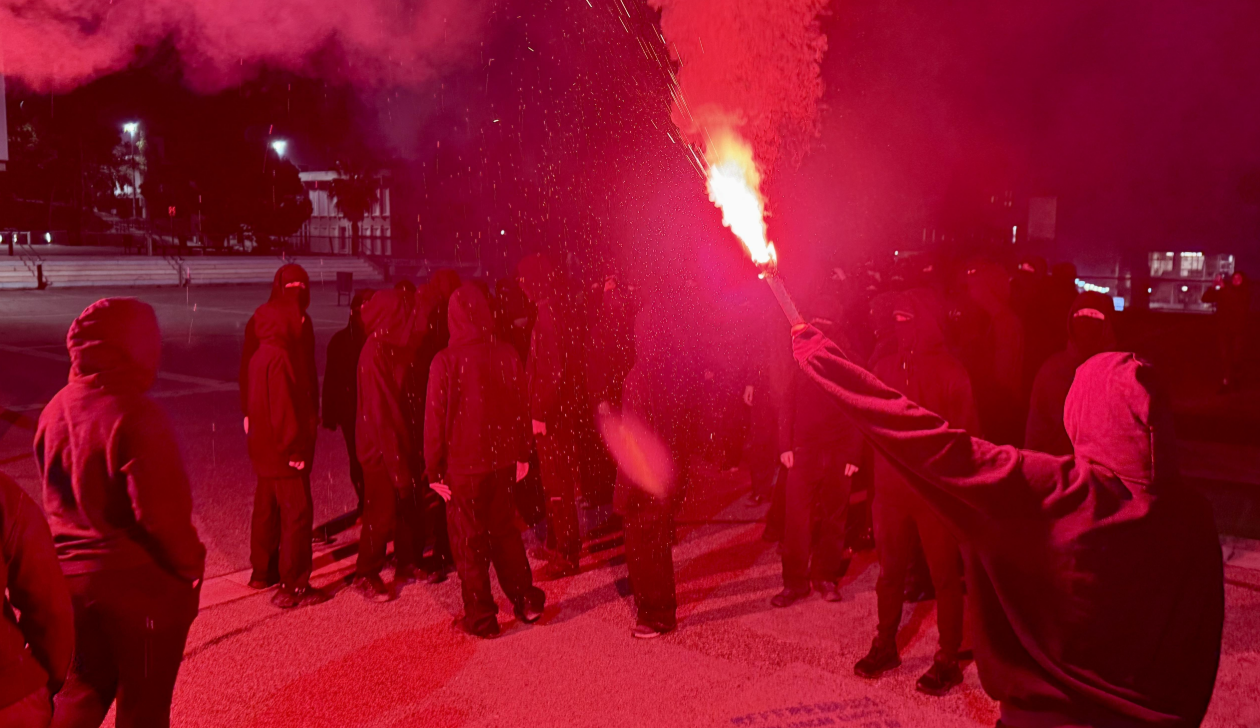
A nationwide strike began in Spain on 11 November in response to the rapid rise in house prices, low wages and the rising cost of living. Protesters are blocking motorways and transport hubs, whilst barricades appeared in Barcelona this morning. This is the first large-scale 24-hour strike in 14 years to be organised by the country’s leading trade unions. The protests are taking place less than three weeks before the snap general election.
- On 11 November, Spain saw the start of its first nationwide strike in 14 years.
- The protesters are calling for affordable housing, higher wages and measures to keep prices in check.
- In Barcelona, roads have been closed, barricades have been erected and transport services have been restricted.
- Around 19 million workers from various sectors were called upon to take part in the strike.
- Mass protests are taking place in the run-up to the parliamentary elections on 29 November.
Roads are being closed and transport disrupted in Barcelona
The strike began at midnight local time. In Catalonia, protesters erected barricades in the central districts of Barcelona and blocked a number of major transport routes, including Avinguda de la Meridiana and sections of the Ronda Litoral ring road.
Blockades have also been reported on the A-2 and AP-7 motorways. Protesters are blocking access roads to industrial sites and logistics centres in an attempt to halt transport and production.
In Barcelona, the metro, commuter trains and buses are operating with restrictions. The Catalan authorities have set the minimum service level during peak hours at 25 per cent of the usual timetable for regional public transport.
Around 9,000 police officers have been deployed to maintain order in Catalonia. The main demonstrations in Barcelona are scheduled for the afternoon.
The housing crisis was the cause of the protests
The nationwide strike was organised by Spain’s largest trade unions, CCOO and UGT, together with tenants’ organisations. They are calling for more affordable housing, higher wages and tighter state regulation of the rental market.
According to the Associated Press, the average cost of renting a home in Spain has almost doubled over the last decade. The strike organisers are also campaigning against property speculation and the proliferation of holiday lets, which they believe are reducing the supply of housing for local residents.
One of the catalysts for protests The story of an 87-year-old woman Maricarmen Abascal, who was evicted from her flat in Madrid. The woman subsequently died, and her case sparked a new wave of public outrage.
The strike is taking place ahead of the snap election
The nationwide campaign coincided with a period of intense political struggle. The Prime Minister of Spain Pedro Sánchez appointed early parliamentary elections on 29 November, after the government failed to secure support for a package of housing reforms.
Trade unions are insisting on the need for urgent changes to housing policy. Meanwhile, the opposition People’s Party and Vox are criticising the strike, viewing it as a political mobilisation in the run-up to the vote.
Demonstrations are planned for 11 November in Madrid, Barcelona and other major cities in Spain.