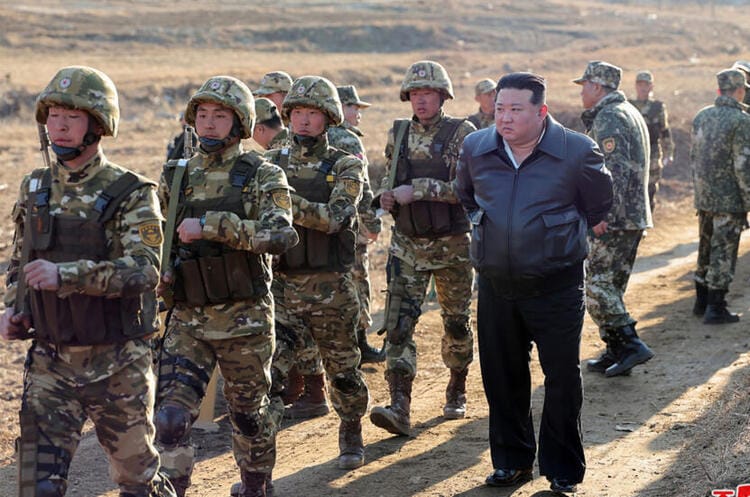
Kim Jong-un called on the younger generation of North Korea to take a leading role in achieving state goals. The address was made against the backdrop of the ongoing war in Russia, which is affecting the geopolitical situation in the region.
Kim Jong-un strengthens the role of youth in DPRK politics
North Korean leader Kim Jong-un has recently called on the country's youth to become the vanguard in fulfilling state tasks. According to Reuters, His speech took place against the backdrop of rising tensions in the world due to Russia's war. Kim Jong-un stressed that it is the younger generation that should become the engine of change and the guarantor of the regime's stability.
In his speech, he emphasised the importance of discipline, patriotism and readiness for sacrifice. Leader DPRK called on young people to take an active part in the implementation of strategic plans to ensure the country's security and development in the face of external pressure.
Geopolitical context of the appeal
Kim Jong-un's speech took place against the backdrop of the ongoing Russian war, which is affecting the security situation not only in Europe but throughout Asia. North Korea has traditionally maintained close relations with Russia, and the current call to young people may indicate a desire to strengthen internal unity in the face of external challenges.
Analysts note that such appeals are often used to mobilise the population and prepare for possible changes in foreign policy. At the same time, it is a signal to the international community of the DPRK's readiness to withstand pressure from other countries.
Impact on domestic politics and society
The emphasis on youth as the main force for development may indicate the authorities' intention to strengthen ideological control and involve the new generation in political life. Such a policy has been used in the DPRK on several occasions to strengthen the regime and maintain social stability.
Involving young people in state tasks allows the authorities to build a society loyal to the regime. It can also be a response to external challenges, such as economic pressure and isolation, that North Korea faces.
Why it matters
Kim Jong-un's address to the DPRK's youth reflects the authorities' desire to adapt to new geopolitical realities. Raising the role of the younger generation could provide the regime with additional support in the face of international tensions.
In the long term, the focus on youth could affect the country's political stability and ability to withstand external threats. It is also an important signal to neighbouring states and the international community about North Korea's intentions to strengthen its internal unity.