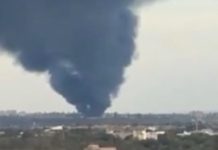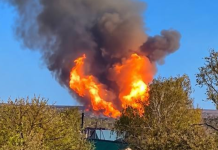
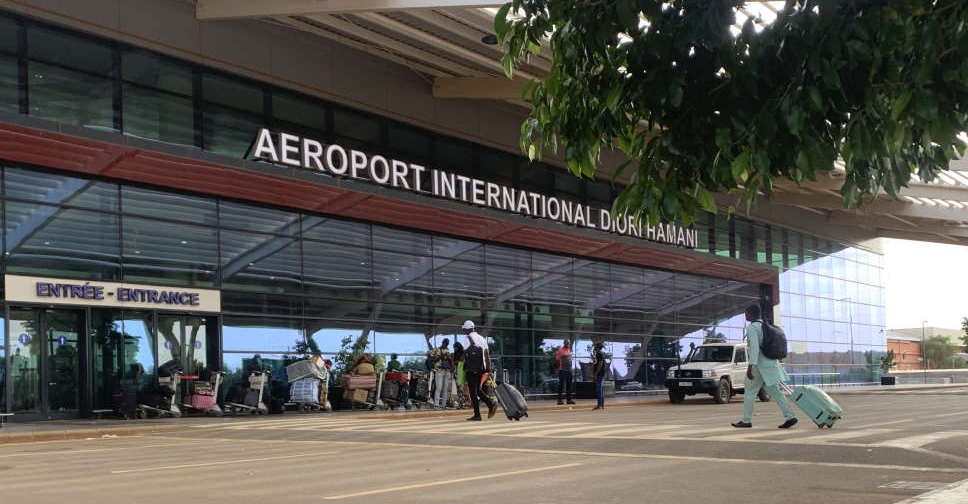
On the night of 29 August, mutinous soldiers attacked the airport and the presidential residence in Niamey, the capital of Niger. Gunfire and explosions continued for several hours, and state television and radio briefly ceased broadcasting. The Ministry of Defence stated that troops were gradually regaining control of the targeted sites, although security sources reported that mutineers were still present at the airport.
Briefly about the main points
- In Niamey, rebels attacked the airport and the presidential residence.
- Gunfire and explosions continued from the early hours of the morning.
- The President’s residence was guarded by loyal troops.
- There was still a presence of insurgents near the airport.
- Military personnel from the south-west of the country were able to take part in the demonstration.
The residence had been secured, but the battle for the airport continued
As of 09:00 GMT, the presidential residence appeared to be secured by loyalist forces, two sources within the security services and a diplomat told Reuters. Meanwhile, the area around the airport remained a flashpoint.
According to two sources, troops loyal to the authorities were sent to the airport. They were tasked with regaining control of the facility, either through negotiations or by force. The overall situation in the capital at that time remained unclear.
Military personnel from three districts were eligible to take part in the event
After broadcasting resumed, state television reported that mutinous soldiers from the base in Niamey had opened fire on «sensitive targets» in the city. According to the broadcaster, the security forces responded swiftly and brought the unrest under control.
A security source in Niger and a senior researcher at the Bonn International Centre for Conflict Research Ivan Gishua It was reported that military personnel from Uallam, Terry and Dosso in the south-west of the country were involved in the attack. The extent of their presence in Niamey and their areas of deployment have not been established.
The attack took place against a backdrop of losses suffered by frontline units and previous attacks
At the outset, it was suspected that jihadist groups might have been behind the attack: this year, forces linked to Al-Qaeda and Islamic State have already attacked a civilian airport and a military airbase in Niamey.
Units from the Wallam, Terry and Dosso districts have suffered heavy losses in fighting against the regional branch of the «Islamic State». Analysts and security sources report growing dissatisfaction with the government amongst troops fighting on the front line.
Power Abdurahman Tiani, who seized power during the 2023 coup, had promised to step up security. However, Niger, like its neighbours Mali and Burkina Faso, has so far been unable to halt the insurgency by groups linked to Al-Qaeda and the Islamic State.
The crisis coincided with tighter state controls on uranium
Following the coup, Niger distanced itself from its Western partners, strengthened its ties with Russia and withdrew from ECOWAS. Together with Mali and Burkina Faso, it formed the Sahel States Alliance (AES).
The unrest is taking place at a time of increased state control over the uranium sector: the authorities have seized the assets of the French company Orano, and last week reallocated Orano’s and GoviEx’s former licences to state-backed companies. Niger was a major supplier of nuclear fuel to Europe: at full capacity, it accounted for around 15% of Orano’s uranium supplies.