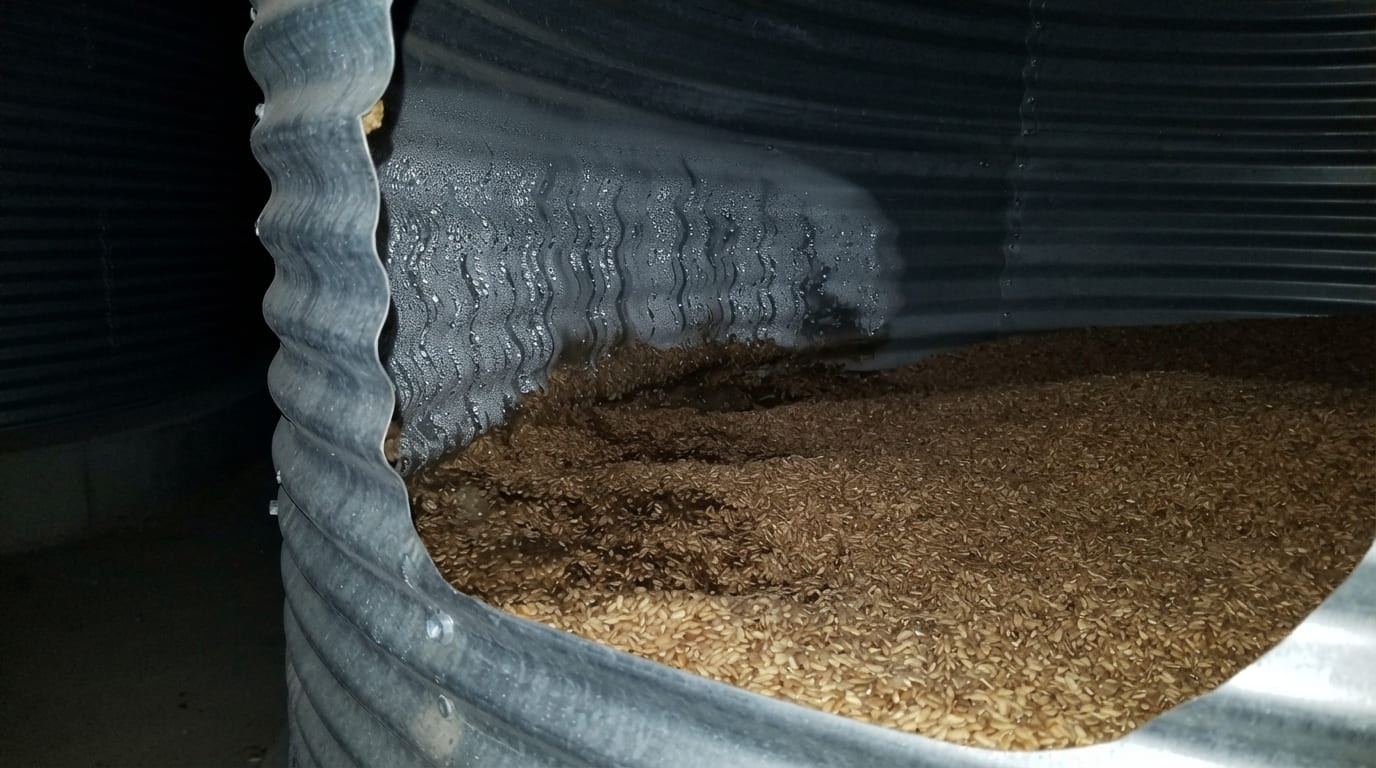
A regional state of emergency was declared in Russia’s Rostov Oblast on 28 August due to the suspension of port operations and disruptions to shipping in the Azov–Black Sea basin. The Russian authorities have attributed the situation to Ukrainian strikes on logistics infrastructure. Due to restrictions on maritime exports, grain and other agricultural produce are piling up at producers’ premises and in grain silos.
Briefly about the main points
- A state of emergency has been extended to the whole of the Rostov Region in the Russian Federation.
- The authorities cited the closure of ports and disruptions to shipping as the reason.
- Almost a quarter of Russia’s wheat exports used to pass through the ports of the Sea of Azov.
- The two largest grain terminals in Novorossiysk ceased operations on 12 August.
- The average monthly price of fourth-grade wheat fell by 36.3%.
The authorities’ decision applies throughout the region
The decree was signed by the governor of the Rostov Region Yuriy Slyusar. A regional state of emergency came into force at 18:00 on 28 August across the entire region, although the document states that the situation itself arose as early as 10 July.
The regional authorities cited this as the reason for the suspension of port operations and the disruption to maritime shipping. The decree links Ukrainian attacks on logistics infrastructure to the risk of significant financial losses for agricultural producers.
The Regional Ministry of Agriculture has been instructed to monitor developments on an ongoing basis, assess the socio-economic implications and keep farmers informed of the authorities’ actions.
It was not possible to quickly replace the Azov route with a railway line
Prior to the current disruptions, almost a quarter of Russia’s wheat exports passed through the Azov ports. On 10 July, Russia suspended shipping through the Azov-Don Sea Canal; during the first 12 days of that month, the number of vessels with AIS transponders activated in the Sea of Azov fell from 239 to 93.
The Russian Ministry of Agriculture attempted to switch deliveries to the railways and to subsidise up to 90% of the costs of transporting grain from the region to Novorossiysk and the ports on the Baltic Sea. This placed an increased burden on the alternative infrastructure.
The suspension of operations at the Black Sea terminals has led to tighter restrictions
On 12 August, following Ukrainian offensive The Novorossiysk Grain Terminal and the Novorossiysk Bakery Products Plant have ceased operations. Their combined export capacity stands at around 15.6 million tonnes per year. Prior to this, the damaged terminal in Taman, capable of handling around 5 million tonnes annually, had also been out of operation.
According to The Insider, approximately 80–90% of Russian grain exports passed through the Azov–Black Sea route last year. Novorossiysk has the capacity to ship around 3.5 million tonnes of grain per month, whilst all the ports in north-western Russia combined can handle around 100,000–200,000 tonnes.
Estimates of August exports point to delays in shipments
The Insider predicts that Russian wheat exports in August could fall by around 2.5 times — to 1.8 million tonnes. This would be the lowest August figure since 2010.
The consultancy firm Sovecon had previously estimated Russia’s grain exports in August at approximately 2.2 million tonnes — compared with 1.95 million tonnes in July. Reuters reported that, against the backdrop of attacks on ports and ships at the height of the export season, dozens of shipments had been delayed or cancelled.
Kremlin spokesman Dmitry Peskov stated that Moscow is looking for ways to minimise the impact of the attacks and ensure that grain shipments go ahead.
Farmers are selling wheat below cost price
The average price of fourth-grade wheat fell by 36.3% over the month — to approximately 8,600 roubles per tonne. Some farms are selling feed wheat for around 5,000 roubles per tonne, whilst the production cost is around 10,000 roubles.
Farmers need to free up storage space and secure funds for fuel, wages and the new sowing season. As a result, some producers are being forced to sell their produce at significantly lower prices.