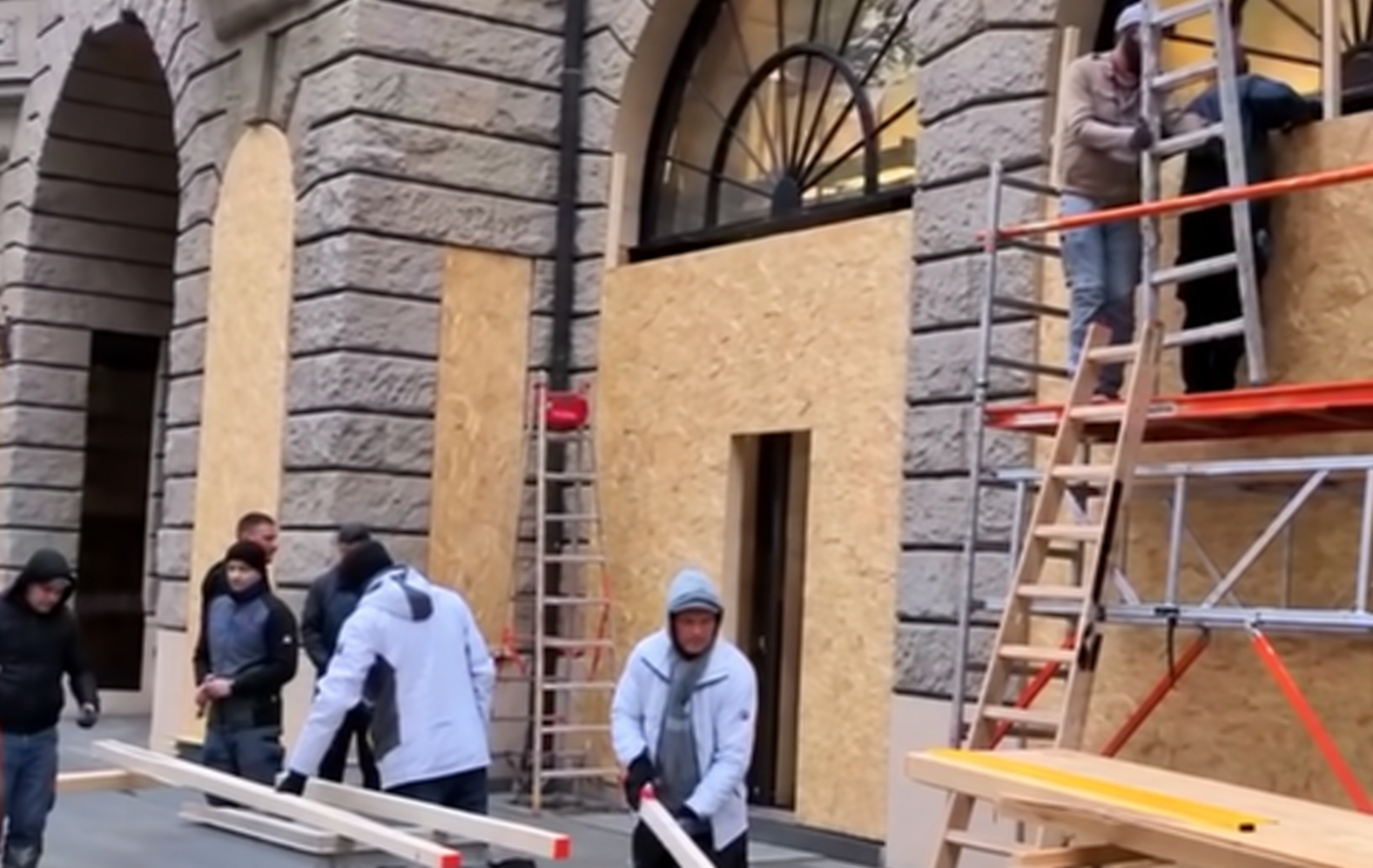
Large-scale youth protests are planned for 31 October in Germany, which could spread to 34 cities and attract over 160,000 participants. The demonstrators will be calling for increased funding for education, a reduction in the cost of living and the abolition of compulsory military service. In Berlin, some shops have already boarded up their windows with wooden shields due to fears of unrest, although the police do not expect widespread rioting.
Briefly about the main points
- Protests are planned in 34 cities across Germany on 31 October.
- The organisers are expecting over 160,000 participants.
- Young people are calling for more accessible education and are opposed to compulsory military conscription.
- In Berlin, some shops have boarded up their shop windows with plywood.
- The police have deployed around 1,500 officers to maintain public order.
Protests are set to take place in dozens of German cities
The nationwide protest was organised by a youth initiative Gen Z is in charge, the title of which could be translated as «Generation Z Takes Matters into Their Own Hands».
According to Reuters, demonstrations are planned in 34 German cities, including Berlin, Munich, Frankfurt, Hamburg and Cologne.
The organisers reported over 160,000 online registrations. Other reports on the morning of 31 October suggested that this figure was approaching 175,000. However, the number of people who have registered does not necessarily mean that they will all take to the streets. The actual number of participants will only be known once the demonstrations have taken place.
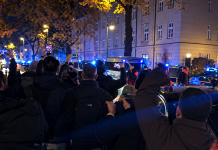
In the German capital, the main demonstration is due to begin at 14:00 local time near the Brandenburg Gate. The police are expecting around 10,000 people to gather there.
Another demonstration is scheduled for 5.30 pm near Rosenthaler Platz. It is being organised by a different group, from whom representatives of Gen Z regelt have distanced themselves.
What are German young people calling for?
The main reasons for the protests were rising cost of living, problems in the education sector and young people’s dissatisfaction with the federal government’s policies.
Members of the movement are calling for increased investment in schools, universities and social infrastructure. They are also calling for more affordable housing, stronger climate protection and greater youth participation in political decision-making.
The possible reinstatement of compulsory military conscription in Germany has become a separate issue. Against the backdrop of a more assertive defence policy, Berlin is expanding its military service system and seeking ways to increase the size of the Bundeswehr. Some young people fear that, if there are not enough volunteers, the state may resort to compulsory conscription. The organisers of the protests are opposed to such a scenario.
In Berlin, shops are boarding up their shop windows with plywood
In the run-up to the protests on Berlin’s Kurfürstendamm boulevard, known for its expensive shops and boutiques, shop staff began boarding up their shop windows with wooden panels. Some shops also decided to shorten their opening hours.
Business owners fear a repeat of the events in France and Italy, where youth protests in recent weeks have been accompanied by clashes with the police, damage to property and shop robberies.
At the same time, the preparation of protective structures does not mean that riots are already taking place in Berlin.
The Berlin police have stated that they currently have no confirmed information regarding organised preparations for mass riots or large-scale violence.
Representatives of the local trade association also noted that, following consultations with the police, they see no grounds for recommending that all shops close their shop windows.
Around 1,500 police officers will be deployed to maintain order at the protests
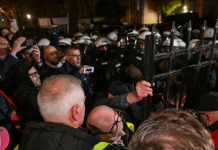
Around 1,500 police officers have been deployed to maintain order in Berlin, including units from the federal police and other regions. The police have also made provision for the use of water cannons in the event of serious breaches of public order.
German security services are warning of the risk that radical groups may exploit the youth protests.
The Federal Ministry of the Interior has reported an increase in activity among certain far-left circles and groups linked to radical movements abroad.
However, the organisers of the main demonstrations stress that they are opposed to violence and are planning peaceful gatherings.
The police also distinguish between the official youth rally at the Brandenburg Gate and other protest events, the participants in which may have different political aims.
Why are youth protests gaining momentum in Europe?
The demonstrations in Germany are taking place against the backdrop of a wider wave of youth discontent across Europe.
Throughout October, large-scale protests took place in France, where participants demonstrated against the high cost of living, problems with education and the government’s social policies.
Part French protests escalated into riots. Due to shop looting, arson and clashes with the police, the authorities were forced to step up security measures.
In Germany, social discontent is growing against a backdrop of weak economic growth, high household expenditure and the need to increase public funding for defence.
At the same time, there is no complete unity within the youth movement itself.
The Federal Conference of German School pupils (BSK) has distanced itself from the ‘Gen Z regelt’ initiative over concerns regarding the transparency of the organisation of the protests, although it acknowledged the validity of many of the issues raised by young people.
BSK representatives are planning to hold a separate protest on 20 November.