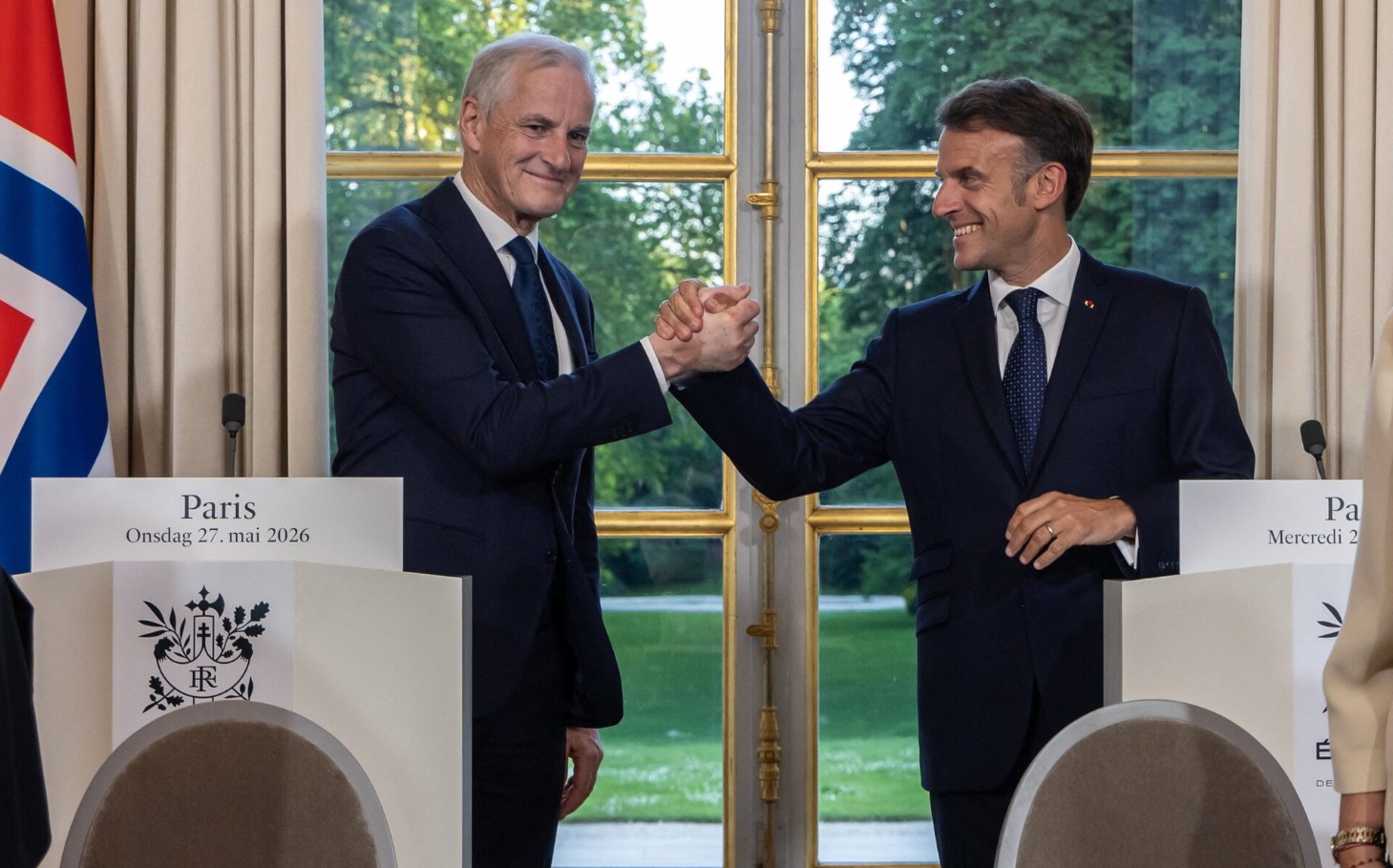
Norway begins talks with France on joining its nuclear umbrella, reflecting a shift in the country's approach to security. In Paris, the two leaders signed a defence agreement that includes joint participation in the French nuclear initiative. Norway retains the main role of NATO and the United States in its deterrence system.
Briefly about the main points
- Norway begins talks with France on joining the nuclear initiative.
- Norway remains in NATO and focuses on US nuclear defence.
- No nuclear weapons will be deployed in Norway in peacetime.
- The move is aimed at strengthening European strategic autonomy.
New defence agreement between Norway and France
Norway and France have signed a defence agreement in Paris, which provides for the start of negotiations on Norway's accession to the French nuclear umbrella. This reflects Europe's growing concern over its dependence on US nuclear defence.
The agreement also includes Norway's participation in France's «advanced nuclear deterrence» initiative, which envisages an active role of European partners in France's strategic decisions on nuclear defence. According to the Prime Minister Jonas Gar Stere, France's nuclear capabilities are an important contribution to NATO's overall deterrent posture.
Balancing NATO and European cooperation
Norway remains a member of NATO and maintains its focus on US nuclear deterrence. However, within the framework of the new agreement, it considers France's nuclear potential as an additional security factor. The Prime Minister stressed that no nuclear weapons would be deployed on Norwegian territory in peacetime.
This step illustrates the desire of Norway and other European countries to strengthen their own defence mechanisms and reduce dependence from long-term US guarantees. In particular, France proposes to extend the protection of its nuclear umbrella to several European countries, including Poland and Lithuania.
European strategic autonomy in focus
President of France Emmanuel Macron emphasised that the agreement establishes the principle of mutual assistance between the two countries and will contribute to strengthening Europe's strategic autonomy. This is an important signal in the context of rising tensions with Russia and the revision of the European security architecture.
France's total nuclear capability of 290 warheads is a significant contribution to NATO's nuclear capability alongside the United States, Russia, China and the United Kingdom. Norway's participation in the French nuclear deterrent could change the balance of power and increase security in Northern Europe.
Impact on regional security and transatlantic relations
Norway shares a border with Russia in the Arctic, which adds geopolitical weight to its security decisions. Increased nuclear cooperation with France is part of a broader strategy to maintain a strong transatlantic alliance, but with a greater emphasis on European ownership.
Prime Minister Stere noted that European countries should make smart and coordinated investments in their own defence, which is a necessary step even before the administration Donald Trump. It also signals a shift in the security paradigm, with Europe seeking greater independence in strategic matters.
Thus, the agreement between Norway and France is an important step in the formation of a new security model in Europe that combines transatlantic cooperation with strengthening of national defence capabilities.