
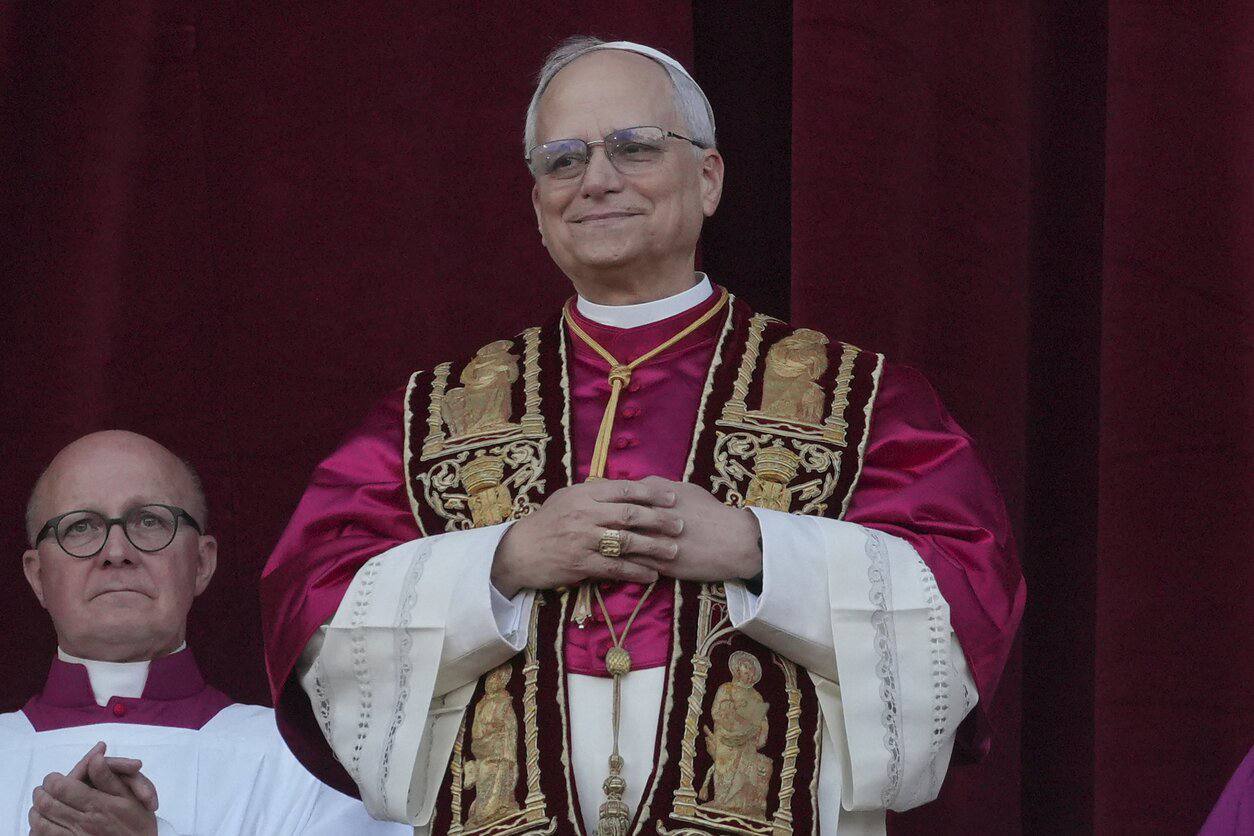
Pope Leo XIV encountered an unexpected obstacle when he tried to update his details at a US bank. The employee who took his call thought it was a suspicious case and refused to fulfil the request, even after passing all the checks.
Pope Leo XIV fails to update bank data
The situation with the Pope has caused a wave of discussion in the media. Pros. information The Times, Leo XIV called a US bank to change his phone number and address. He successfully passed the background check, but the bank manager remained wary.
The manager insisted that he had to come to the branch in person to make such changes. The Pope explained that this was unlikely to be possible, as he was the pontiff, but even this did not convince the employee. In the end, she simply hung up the phone.
Bank's response and resolution of the situation
After the incident, the issue was addressed at the highest level. The problem was resolved only with the involvement of the bank's president, who made an exception for Leo XIV and allowed the contact details to be updated without his personal presence.
The case highlighted the strictness of banking regulations even for the most well-known clients and demonstrated that sometimes management intervention is required to resolve unusual situations.
Security and reputation implications
The incident with the Pope has once again raised the question of the balance between banking security and customer focus. On the one hand, strict requirements protect against fraud, but on the other hand, they can cause inconvenience even for the most famous people in the world.
The US banking system is known for its stringent identification procedures, but this case illustrates that even well-known individuals can face bureaucracy. At the same time, exceptions are possible if top managers are involved in the solution.
Why it matters
The story of Pope Leo XIV demonstrates that even the most reputable individuals are not immune to difficulties in today's digital world. Banking protocols designed to protect customers sometimes become a source of unexpected problems.
This case also demonstrates the importance of the human factor in the service sector: even after all formal procedures have been completed, the decision remains with the employee. For banks, this is a signal to review their approaches to dealing with special clients in order to avoid similar incidents in the future.