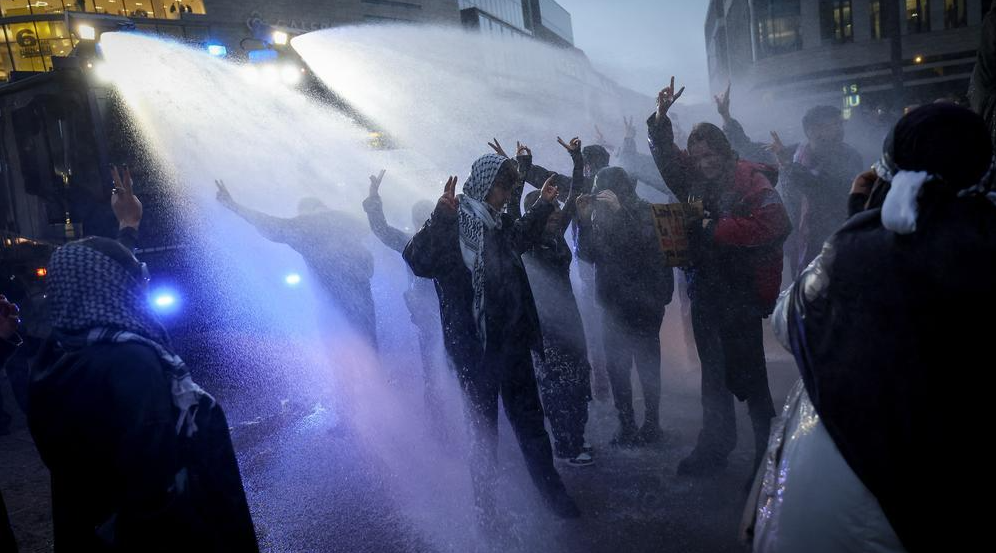
The mass youth protests that took place on 31 October in more than 30 cities across Germany ended in riots, shop looting and clashes with the police. The most serious incidents were reported in Frankfurt, where rioters attacked police officers with Molotov cocktails and looted several shops, including a gun shop. In Berlin, 27 police officers sustained minor injuries during a separate evening demonstration. The main protests, organised by the youth movement GenZ regelt!, were largely peaceful, according to AFP.
- Youth protests have spread to more than 30 towns and cities across Germany.
- Shops, including gun shops, were burgled in Frankfurt.
- In Berlin, 27 police officers were injured and 56 people were arrested.
- In Frankfurt, the police detained more than 30 people.
- The organisers of the protests have distanced themselves from the violence.
Shops were robbed and the police were attacked in Frankfurt
The most serious disturbances broke out in the evening in the centre of Frankfurt am Main. After the main demonstration had ended, groups of masked people began smashing shop windows, looting goods and attacking police officers.
The situation was particularly tense on the shopping street Zeil, which the police had cordoned off due to the riots. Among the shops targeted was a gun shop. The police arrested the suspects and seized two firearms, which, according to German media reports, came from that shop.
Sports footwear and perfume shops were also looted. Stones, bottles, fireworks and incendiary mixtures were thrown at the police. The police used water cannons and tear gas, and special units were deployed to secure the main streets.
According to police reports, as of the morning of 1 November, more than 30 people had been arrested in Frankfurt. Several police officers were injured, and the damage caused by the riots is estimated to be substantial.
Minister of the Interior of the Federal State of Hesse Roman Posek stated that around a hundred people, whom the authorities have identified as radical left-wing extremists, took part in the disturbances. The police are identifying those involved in the attacks and robberies.
27 police officers have been injured in Berlin
In the German capital, the main daytime a demonstration by the youth movement The demonstration near the Brandenburg Gate ended without any serious incidents. However, in the evening, clashes broke out in the Mitte district during another protest called «GenZ hat genug!».
According to the police, the protesters threw stones, bottles, eggs and firecrackers at the police. During the clashes, 27 police officers sustained minor injuries but were able to continue on duty. The police detained 56 people.
The number of participants in the evening demonstration, which began near Rosenthaler Platz, grew to around 3,500 during the march. The police brought the march to an early end following numerous offences.
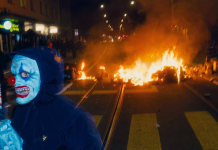
Clashes also took place in Hamburg and Cologne. There, groups of demonstrators attacked police officers with fireworks, stones and bottles, whilst the police used water cannons. In Hamburg, there were reports of barricades being set alight.
The organisers of the movement Gen Z rules! distanced themselves from the violence. In particular, they emphasised that they had not organised the evening demonstration in Berlin during which police officers were injured.
What are German young people calling for?
The nationwide demonstrations were organised by the GenZ regelt! movement, whose name roughly translates as «Generation Z is taking matters into its own hands».
According to the organisers’ estimates, around 120,000 people took part in the protests across Germany. Initially, more than 180,000 participants had been expected.
The movement’s key demands include reducing the cost of living, increasing funding for education, affordable housing, social justice and more effective climate policy.
A special place is held by protest against the reinstatement of compulsory military service. Youth activists also criticise the increase in defence spending whilst funding for social programmes is being cut. In their view, decisions about the future of the younger generation are being taken without due regard for their interests.
The protests in Germany took place against a backdrop of similar demonstrations in France and Italy, where young people are also protesting against the high cost of living and government policies.
The GenZ regelt! movement has already announced new events in schools and universities between 2 and 6 November. Its representatives also plan to take part in the international youth strike on 20 November.