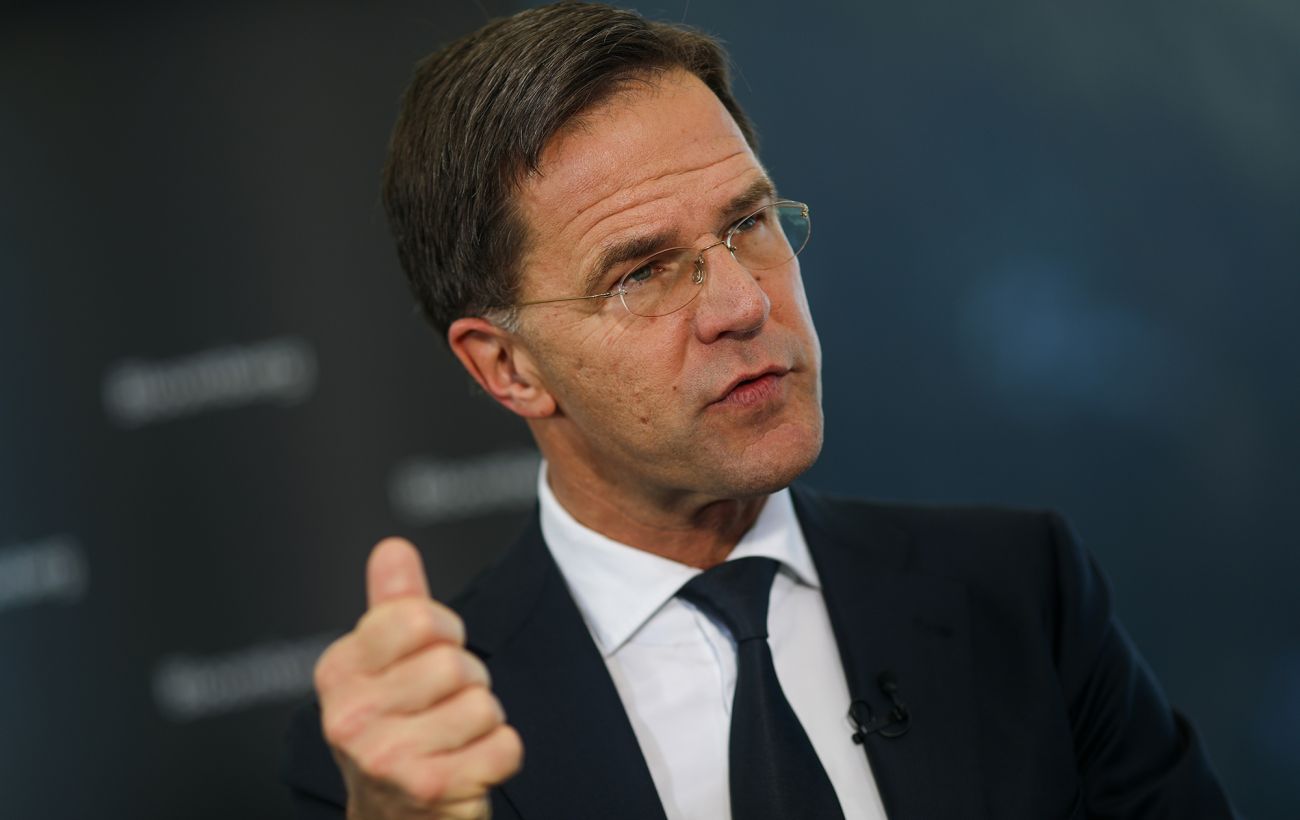
NATO Secretary-General Mark Rutte stated that any potential action by China against Taiwan or within the first island chain could be accompanied by a serious crisis that Russia might provoke in Europe. In such a scenario, NATO and the US would have to respond on two fronts simultaneously. He made the statement on 10 September in Berlin at a conference of heads of German diplomatic missions.
Briefly about the main points
- Rutte described a scenario involving parallel crises in two regions.
- This refers to a planning risk, not a prediction of an inevitable war.
- NATO regards the Russian threat to Europe as a long-term one.
- European allies should shoulder more responsibility for defence.
- Germany plans to spend around 3.5% of GDP on defence by 2029.
A scenario for planning, not a forecast of war
Rutte suggested that, should China resort to the use of force, Beijing might be keen to exert parallel pressure on Western resources. According to him, Xi Jinping In such a scenario, he might turn to Vladimir Putin with a request to «keep us busy here».
The General Secretary did not claim that China had already taken a decision to attack Taiwan, whilst Moscow and Beijing agreed on a specific timeframe for joint action. His argument centred on the risk that must be taken into account in defence planning, given that the security of Europe and the Indo-Pacific region is increasingly interlinked.
If US forces are concentrated in Asia, the ability to rapidly deploy those same air, naval and missile assets, as well as air defence systems, to Europe may be limited.
Russia is building up its military capabilities and engaging in hybrid activities
Rutte described the Russian threat to Europe as a long-term one. According to his estimates, Moscow spends more than 10% of its GDP and almost half of its national budget on defence, whilst a significant proportion of its industry is geared towards military needs.
He also stated that Russia is replenishing its arms stocks despite the war against Ukraine. Among the manifestations of its hybrid activities in Europe, the Secretary-General mentioned cyber-attacks, acts of sabotage, airspace violations and incidents involving drones.
NATO is currently capable of defending its territory, said Rutte. However, without the current increase in spending and military production, the Alliance could face serious risks to its defence capabilities between 2029 and 2031.
Europe must take on a greater share of the responsibility for its own defence
Washington expects its European allies to play a greater role in the continent’s defence, as the United States also needs to maintain forces in the Western Hemisphere and the Indo-Pacific region. Rutte linked this to the risk of American resources being spread too thinly.
NATO countries are increasing defence spending and expanding the production of ammunition, air defence systems, armoured vehicles and other weapons. The Secretary-General singled out Germany in particular: it plans to increase its core defence spending to approximately 3.5% of GDP by 2029, is ramping up production and is deploying troops to the Alliance’s eastern flank.
NATO does not regard either a war by China against Taiwan or a direct attack by Russia on Alliance member states as inevitable. Rutte explained the strengthening of European defence as a necessity to prepare in advance for a possible simultaneous strain on Western forces.