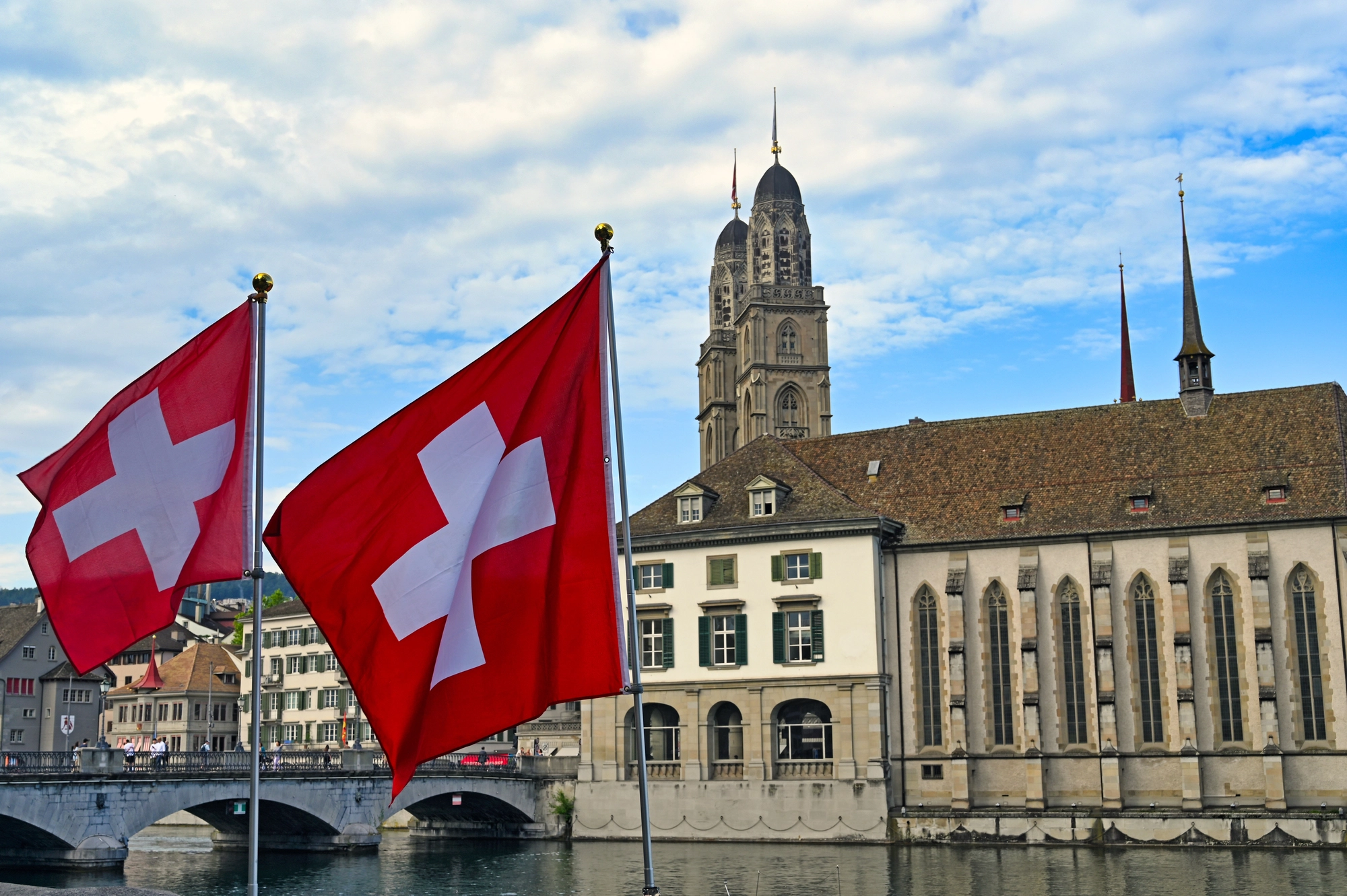
Switzerland has extended ‘S’ protection status for Ukrainians until at least 4 March 2028. The federal authorities explained the decision by citing the lack of signs of long-term stabilisation of the situation in Ukraine. At the same time, this status will only be granted to people performing military duties in Ukraine; support measures for those entitled to it will remain in place.
Briefly about the main points
- The S protection in Switzerland will remain in force until at least March 2028.
- A new condition for granting S status is the fulfilment of military duties in Ukraine.
- The cantons will receive an annual payment for each person granted this status.
- From March 2027, after five years’ residence, a B permit will become available.
- Switzerland has announced that it will continue to coordinate its policies with the EU.
The decisions were linked to the situation in Ukraine
The Federal Council has extended ‘S’ status for one year. The government believes that the situation in Ukraine shows no signs of stabilising in the long term, and therefore the need for protection remains.
Alongside the extension, Switzerland is introducing restrictions for certain groups. S status will be granted only to those who are performing their military duties in Ukraine. The wording relates specifically to the conditions for granting status.
Status S is a protection regime available to Ukrainians in Switzerland. The decision to extend it is accompanied by the continuation of support for those who meet the established criteria.
Support for cantons and the transition to a B licence
Support measures for S-status holders will continue. Switzerland will allocate 3,000 Swiss francs per person per year to the cantons.
Separately, the government has set out a new immigration procedure for long-term residents. From March 2027, holders of an S permit who have been in Switzerland for five years will be granted B permits.
Such authorisation will mark the next step in their legal status following five years’ residence. The decision to grant cantonal support and issue a B permit will run in parallel with the extended S regime.
Switzerland coordinates its policy with the European Union
At the end of June, the European Union adopted a similar decision regarding continued protection of Ukrainians. The Swiss authorities have stated that they have so far coordinated their actions with the EU and intend to continue doing so.
In the international context, reference is also made to similar measures taken by Norway and the updated EU rules. Hungary, for its part, will continue to accept Ukrainian men of conscription age.
The decisions taken by various countries are subject to their own rules; however, the Swiss authorities have explicitly linked their approach to coordination with the European Union.