US President Donald Trump’s decision to scale back military exercises with South Korea – which he described as hostile towards Pyongyang – has heightened concerns amongst Washington’s Asian partners. Japan is preparing for talks on the cost of hosting US troops, Taiwan is keeping a close eye on the upcoming summit between Trump and Xi Jinping, whilst India is taking a more cautious approach to long-standing defence agreements.
Briefly about the main points
- The US has scaled back joint military exercises with South Korea following Trump’s initiatives regarding North Korea.
- Yet another exercise has been cancelled due to restrictions on US forces linked to the war with Iran.
- Japan is concerned about pressure regarding the costs of hosting US troops.
- Taiwan anticipates that the arms package may be split into smaller parts.
- Indian officials are cautious about long-term defence agreements with Washington.
Military exercises with Seoul and attempts to establish contact with Pyongyang
Seoul announced on Monday that the United States had cancelled yet another joint exercise scheduled for next month. Washington cited restrictions on US forces due to the war with Iran.
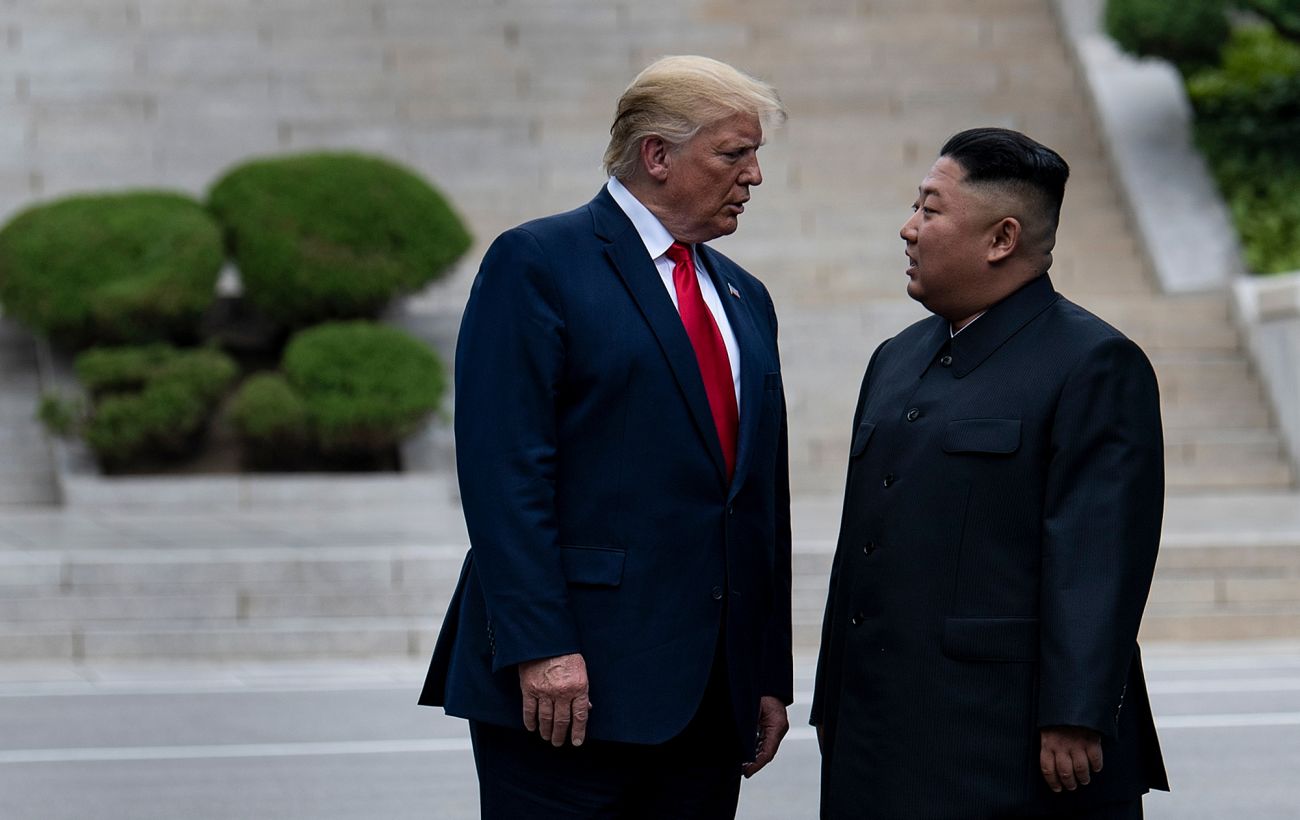
A White House spokesperson stated that Trump is dissatisfied with the lack of support from allies for the war and is demanding that they spend more on their own defence. According to a person familiar with consultations between US and South Korean officials, the president is keen to resume negotiations with Kim Jong-un and achieve a foreign policy success against the backdrop of an unpopular conflict with Iran.
Senior analyst at the Eurasia Group and former US diplomat Jeremy Chan believes that this decision will heighten the region’s doubts about the US’s security commitments.
Tokyo is concerned about North Korea and the talks on US forces
Former Minister of Defence of Japan Itsunori Onodera stated that a rapprochement with the DPRK could have the opposite effect and embolden nuclear-armed Pyongyang. Despite Trump’s initiatives, North Korea last week fired a salvo of ballistic missiles missiles towards the east coast, prompting Japan and South Korea to issue alerts.
Tokyo is embarking on complex negotiations with Washington regarding the cost of hosting US forces — the largest US contingent abroad. A senior Japanese government official said the country is preparing for a possible sudden demand to sharply increase its contribution.
There are no official plans to scale back the Keen Sword exercises scheduled for October. However, they may be on a smaller scale than in 2024 due to the redeployment of US resources to Iran. The USS George Washington, the US’s only forward-deployed aircraft carrier in Asia, has set sail for the Middle East to replace the USS Abraham Lincoln, heightening concerns about containing China.
Taiwan awaits the summit between Trump and Xi Jinping
Trump is delaying approval of a $14 billion arms deal with Taiwan in an attempt to maintain good relations with China and the fragile trade truce з Xi Jinping. A summit between the two leaders in Washington is scheduled for next month.
Taiwanese officials expect that Washington may split the package into smaller parts to minimise irritation to Beijing. At the same time, Domingo Yang, a representative of Taiwan’s Institute for National Defence and Security Research, emphasised that intelligence-sharing, training and joint patrols between the US and Taiwan remain substantial.
On Friday, a US Navy aircraft flew through the Taiwan Strait. Officials in Washington stated that this transit demonstrated a commitment to a free and open Indo-Pacific region.
New Delhi is taking a more cautious approach to its defence commitments
Analysts believe that the US risks losing the fruits of its long-standing efforts to forge closer ties with India as a counterweight to Russia and China. The renaming of the Indo-Pacific Command to the Pacific Command in June served as a further source of friction: some experts saw this as a downgrading of India’s strategic role, although the Pentagon denied this.
New Delhi was already irritated by high US tariffs on Indian exports and Trump’s repeated statements about mediating a ceasefire between India and Pakistan. Two Indian sources familiar with the situation told Reuters that officials are now «very, very cautious» about commitments under long-term defence agreements with the United States.