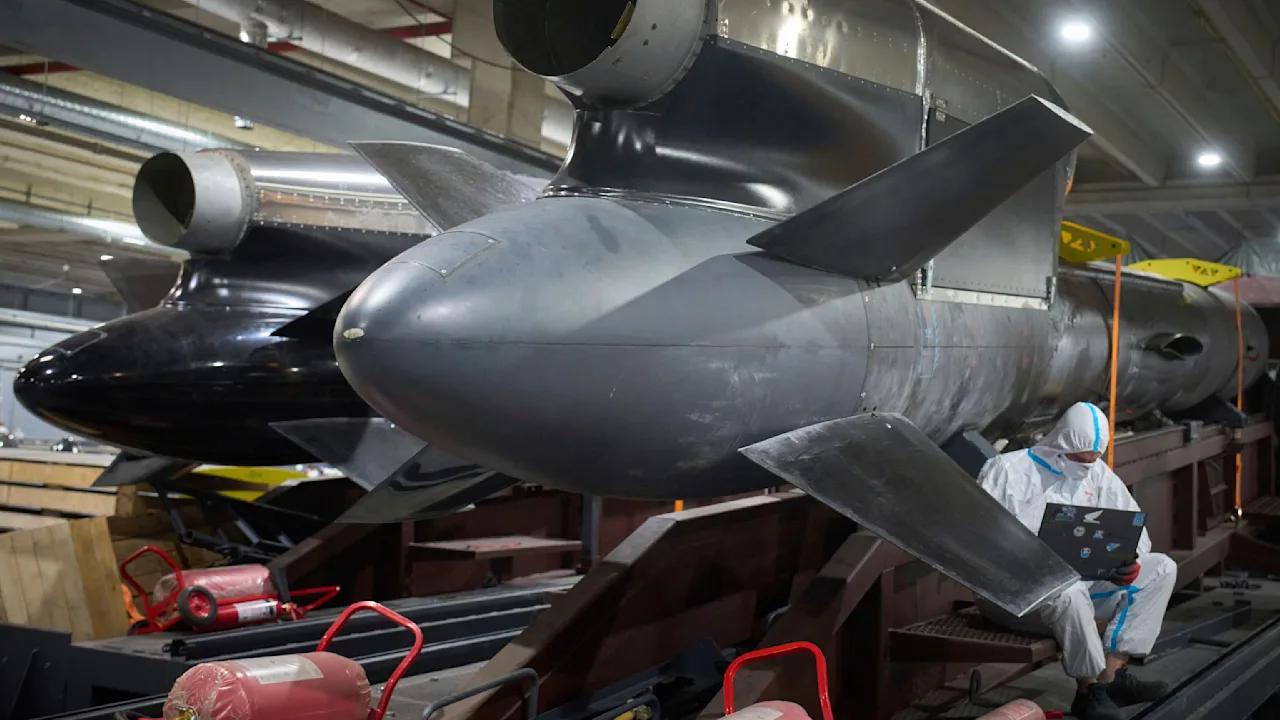
Germany is considering the possibility of purchasing Ukrainian Flamingo missiles, which could serve as an alternative to the American Tomahawk missiles. Following the US’s refusal to deploy these missiles in Germany, Berlin is actively seeking new solutions to strengthen its defence capabilities.
- Germany may purchase Ukrainian Flamingo missiles.
- The Flamingo has a range of up to 3,000 km and costs 500 thousand dollars.
- Diehl Defence is in talks regarding joint production in Germany.
- The US has decided against deploying Tomahawk missiles in Germany.
Germany opts for Ukrainian Flamingo missiles
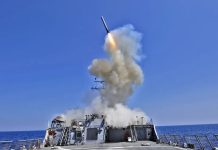
Germany, following the US’s refusal to host Tomahawk missiles on its own territory, began to consider alternatives, including Ukrainian missiles Flamingo. This system has proved to be one of the most attractive thanks to its features.
«The Flamingo has a range of up to 3,000 km and a warhead weighing around one tonne. The missile costs just 500,000 dollars, which is almost five times cheaper than the Tomahawk,» the experts noted.
As well as Flamingo, the list of contenders also includes the American Typhon system and the Israeli-American Anthem. However, the Ukrainian missile appears to be the most promising.
Collaboration with Diehl Defence
One of Germany’s leading defence companies, Diehl Defence, is already in talks regarding the possible joint production of Flamingo missiles in Germany. This opens up new horizons for cooperation between Ukraine and Germany in the defence sector.
«Co-production could significantly strengthen our defence capabilities,» emphasised representatives of Diehl Defence.
Germany’s defence strategy
Germany’s shift in defence strategy demonstrates a desire to strengthen its military independence and play an active role in international projects. Germany no longer relies exclusively on American weaponry, but is seeking new solutions that meet today’s challenges.
Since Germany began considering Ukrainian missiles, there have been significant changes in its defence policy. This demonstrates the country’s willingness to adapt and seek new partners in the field of security.