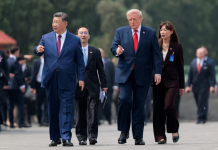
US President Donald Trump has stated that Washington is in talks with Belarus regarding a major deal for the supply of potash fertilisers. He said that Belarusian goods could cost significantly less than the products the United States currently purchases from Canada. The commercial terms of the potential contract have not yet been disclosed, and the volumes available from Belarus in 2026 may be limited.
Briefly about the main points
- Trump announced negotiations regarding a large consignment of Belarusian potash.
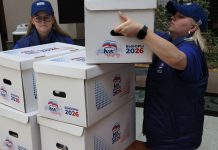
- Minsk is already loading fertilisers for shipment to the US market.
- Almost all of the potash produced in 2026 has been contracted to other buyers.
- The US is working to release more than $40 million in advance payments.
- Canada accounts for around 80% of US imports of potash fertilisers.
Available potash supplies in Belarus may limit exports to the US as early as 2026
Alexander Lukashenko On 11 September, he stated that Belarus was already loading potash fertilisers for shipment to the US. However, on 21 September, he said that the country would not be able to supply large volumes to the US this year.
According to Lukashenko, virtually all of the potash to be produced in 2026 has already been contracted to other buyers. In view of this, large-scale supplies under any potential agreement with the US are likely to relate primarily to future contracts.
Negotiations are progressing alongside the easing of sanctions and the release of advance payments
Lukashenko also stated that more than 40 million dollars linked to previous transactions involving Belarusian fertilisers had been frozen in the US. The Special Representative Trump regarding Belarus John Cole On 16 September, it was reported that Washington is working on a mechanism to release these funds.
Trade-related contacts are taking place against the backdrop of intensified dialogue between Washington and Minsk. In September, Belarus released 25 prisoners following talks with a representative of the Trump administration, whilst the US announced a further easing of sanctions against two Belarusian companies.
In March, the US Department of the Treasury removed «Belaruskali», the Belarusian Potash Company and Agrorozkvit from the SDN list. However, this decision regarding specific entities did not lift the US sanctions regime against Belarus as a whole.
Canadian supplies dictate the US market, and the quoted price does not reflect the full cost of the fertilisers
USA are heavily reliant on imported potash: according to Reuters, around 80% of its imports traditionally come from Canada. The US market also receives supplies from other countries, notably Russia and Belarus. The return of Belarusian potash could broaden the choice for buyers and intensify competition among suppliers, but it does not mean that Canadian supplies will be replaced any time soon.
The claim that Belarusian goods are cheaper does not allow for a comparison of the final costs to American buyers without the terms of a future contract. These costs will be influenced by the type of product, volumes, delivery terms, transhipment, delivery and insurance. Available volumes and commercial terms will determine the practical outcome of the negotiations.