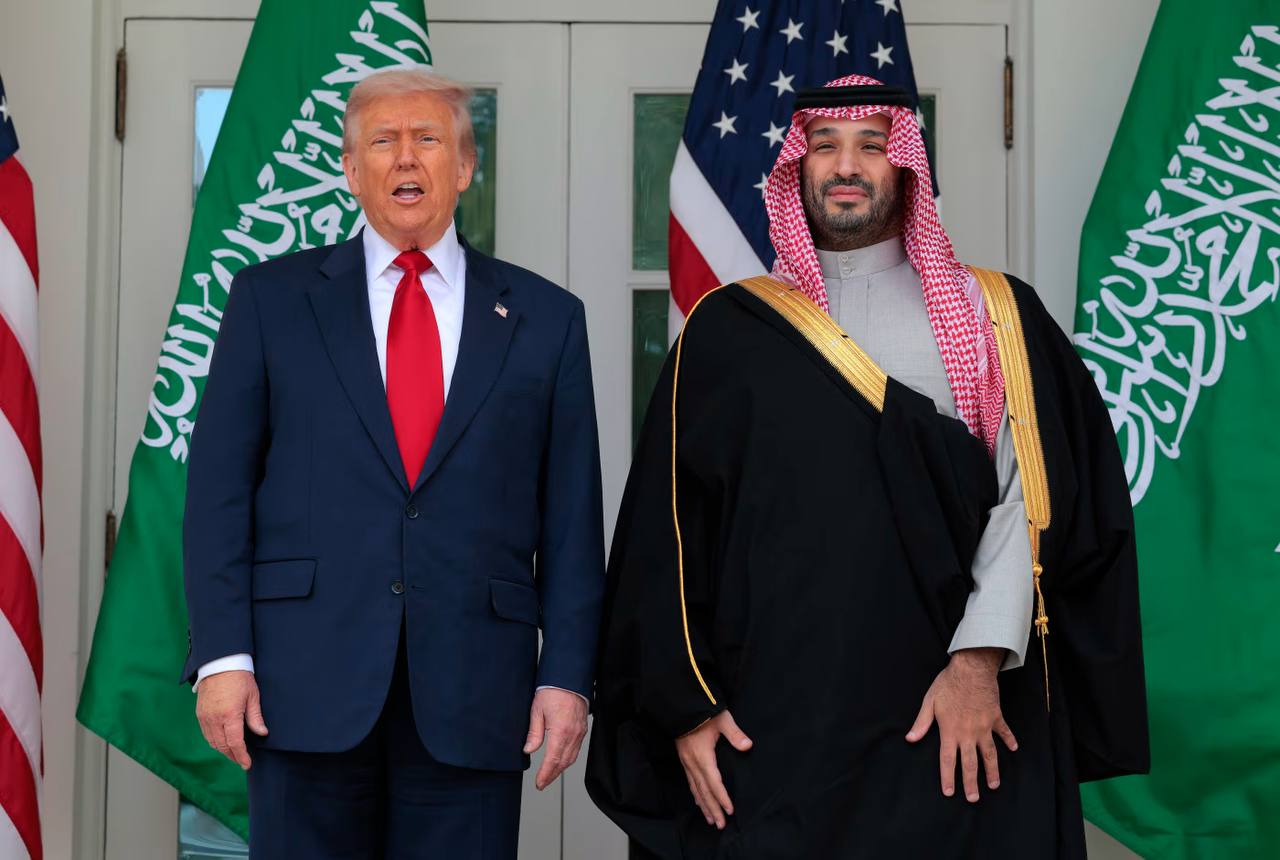
US President Donald Trump has approved a nuclear agreement with Saudi Arabia, which could allow the kingdom to enrich fuel for civilian reactors without adhering to the «gold standard» of international oversight. The US Department of Energy has announced the signing of the agreement; the next step will be mandatory review by Congress.
Briefly about the main points
- Agreement 123 between the US and Saudi Arabia is set to run for 30 years.
- American companies will provide technology and expertise for the Saudi programme.
- Riyadh is not obliged to conclude an Additional Protocol with the IAEA.
- For the first ten years, the kingdom is prohibited from developing or purchasing enrichment technology.
- Congress can block the bill by passing resolutions in both Houses.
What the document provides for
The agreement is known as the “123 Agreement”. According to a US official, it will remain in force for 30 years. US companies will be involved in its implementation, supplying technology and providing expertise to support the development of the Saudi programme.
Before commencing uranium enrichment, a joint US-Saudi Arabian team must assess whether such a move is justified and commercially viable. The facility for this is to be built by the Americans without transferring any confidential technology to Saudi Arabia.
According to the Wall Street Journal, for the next ten years Riyadh will be unable to develop enrichment technology independently or purchase it from other countries. This restriction relates specifically to the Kingdom’s technological capabilities, rather than to the prospects for fuel supplies.
Supervision and how it differs from the «gold standard»
The agreement contains restrictions on inspections under the Saudi programme. This may raise scepticism among members of Congress who are due to consider the document.
Saudi Arabia is not obliged to sign the standard Additional Protocol with the IAEA, as the United Arab Emirates did in 2009 when concluding a nuclear agreement with the US. It is precisely this approach that is commonly referred to as the «gold standard». The Kingdom had previously refused to sign the protocol, fearing that it would, in theory, allow inspectors access to Mecca or the royal palaces.
Instead, the agreement provides for a bilateral guarantee agreement which, according to a US official, is similar to a standard protocol but does not contain any provisions that Riyadh finds unacceptable. Its terms are yet to be ratified by the IAEA Board of Governors.
Washington’s stance and commercial interests
US Secretary of Energy Chris Wright stated that the agreements meet «the highest standards of nuclear safety and non-proliferation». The ministry also described them as the start of a multi-year, multi-billion-dollar partnership which, it estimates, will create high-paying jobs in the US and support long-term economic growth.
A spokesperson for the Saudi Arabian Embassy in Washington confirmed that the agreement had been concluded and stated that it reflected the two countries’ shared vision for deepening cooperation in the energy sector and future technologies. A consultant on nuclear regulation Dan Joyner said that the document opens up the possibility for US and allied companies to sell reactors, components, fuel supply services, training and technical assistance — subject to the granting of export licences.
Supporters of the agreement believe that it could strengthen the US’s position in the Saudi market and drive out competitors from Russia and China. This is their assessment, not a guaranteed outcome of the deal.
Regional reactions and decisions by Congress
Saudi Arabia’s access to nuclear technology could spark controversy in the US and in the Middle East. The ability to enrich fuel could, in theory, lead to the development of nuclear weapons: uranium enrichment and plutonium reprocessing are two ways of obtaining the materials required for this.
Israel has long been wary of the Kingdom’s access to such technologies. Saudi Prince Mohammed bin Salman has previously stated that he would seek to develop nuclear weapons if Iran were ever to produce them. Tehran, for its part, has stocks of enriched uranium and insists that its nuclear programme is for civilian purposes.
The agreements will now be sent to Congress. The House of Representatives and the Senate can block them if both chambers pass resolutions of disapproval. Some lawmakers and experts have already expressed their opposition to the agreement, suggesting that the process of getting it through may prove difficult.