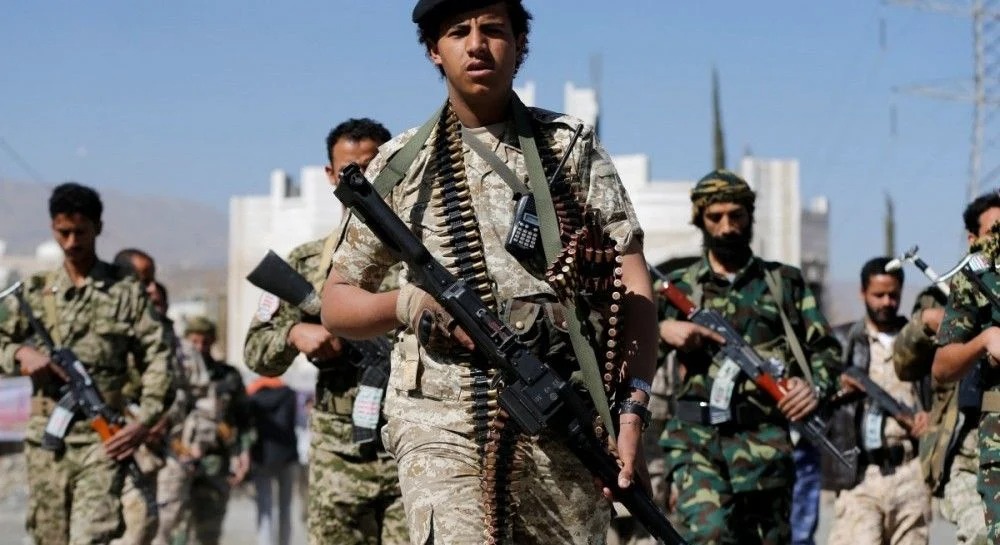
On 4 October, Yemen’s internationally recognised government announced the launch of a large-scale military operation against the Iran-backed Ansar Allah movement. The head of the Presidential Steering Committee, Rashad al-Alimi, stated that troops must retake territories held by the Houthis and restore the authority of state institutions across the country. Government forces have already reported strikes on the group’s targets in Sana’a and the province of Sa’ada.
Briefly about the main points
- Al-Alimi ordered the military to carry out the approved operational plans.
- The Houthis have advanced near Taiz and taken control of the area around the Bab el-Mandeb Strait.
- According to the plan, Saudi Arabia was to provide air support to Yemeni forces.
- The Houthis have claimed to have launched missiles and drones at Saudi Aramco.
- The new fighting has caused tens of thousands of people to be displaced.
Al-Alimi announced a «phase of liberation»
In a televised address al-Alimi He stated that the opportunities for de-escalation had been exhausted. He ordered the armed forces, security forces and other military units to begin implementing the approved operational plans.
The head of the Presidential Steering Council also called on regional and international partners to continue supporting the government, the army and state institutions. Reuters has confirmed that this refers to the start of a counter-offensive, rather than merely preparations for one.
The Houthis’ advance has increased pressure on Taiz and the maritime route
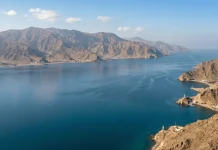
According to Reuters, over the past few weeks Houthis They advanced rapidly along the Red Sea coast and captured the area around the Bab el-Mandeb Strait. The strait connects the Red Sea with the Gulf of Aden and is one of the key shipping routes between Europe and Asia.
Near Taiz, the group has seized strategic high ground and is closing in on the last road linking the city with Aden, where the internationally recognised government is based. The loss of this route could effectively place Taiz under siege.
Saudi Arabia is providing support to government forces
Forces linked to the Yemeni government and backed by Saudi Arabia have announced strikes on Houthi targets in the capital, Sana’a, and in the northern province of Sa’ada, one of the group’s main strongholds.
Even before the campaign was officially announced, Reuters reported that Riyadh and its Yemeni allies were preparing a counter-offensive. The plan envisaged air support from Saudi Arabia, whilst ground operations were to be carried out by Yemeni troops. According to the agency, the US is providing Riyadh with intelligence support.
The Houthis have claimed responsibility for attacks on Saudi Aramco facilities
In response, the Houthis announced that they had launched ballistic missiles and drones targeting facilities belonging to the state-owned oil company Saudi Aramco in Riyadh and the Khurais area. The group described this as a response to dozens of attacks on Yemeni territory.
At the time of publication, Saudi Arabia had not confirmed the results of the reported strikes, according to Reuters. According to the AP, a Houthi spokesperson also failed to provide evidence of any damage.
The escalation of the war has already disrupted humanitarian aid deliveries
The Houthis seized Sana’a in 2014, and the following year Saudi Arabia led a coalition in support of the internationally recognised government. Following a UN-brokered ceasefire in 2022, the intensity of the fighting has decreased.
In 2026, the conflict escalated sharply. Reuters reports that renewed fighting has forced tens of thousands of people to flee their homes and disrupted the delivery of humanitarian aid.