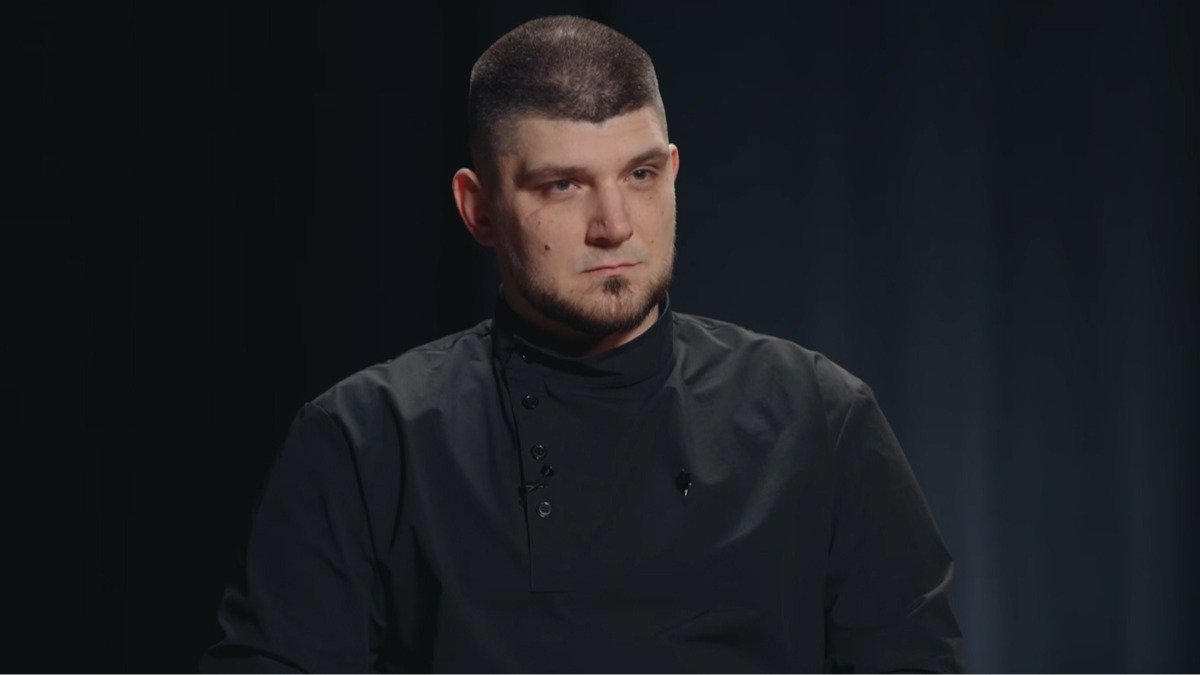
Denis Kapustin, commander of the Russian Volunteer Corps of the GUR, said that the Russian special operation is not a war against Ukraine, but a confrontation with the joint forces of the West, including NATO countries and the Ramstein Coalition. He stressed that Russia's military objectives go far beyond Ukrainian cities and are aimed at key Western capitals.
- Kapustin says Russia's war is against NATO and the Ramstein coalition
- The special operation is not limited to Ukraine, but has broader geopolitical goals
- Protests against Ukraine are a cover for aggression against Western countries
- Russia's targets include London, Paris, Washington and Warsaw
- The idea of restoring the USSR remains key for the Kremlin
Defining Russia's war as a conflict against the West
Commander of the Russian Volunteer Corps of the GUR Denis Kapustin, known as White Rex, described Russia's current special operation not as a war against Ukraine, but as a confrontation with the joint forces of the West. He noted that aggression is directed at NATO countries, and the Ramstein Coalition, which supports Ukraine. Thus, Russia interprets the conflict more broadly than just a regional war.
Russia's geographical goals beyond Ukraine
Kapustin named specific cities that remain in the focus of Russian ambitions. He stressed that he does not plan to stop at Mala Tokmachka, Sloviansk or Kramatorsk. According to him, Russia's targets include London, Paris, Washington and Warsaw - the capitals of Ukraine's key Western allies. This indicates that Moscow sees the war as global in nature, aimed at destabilising the Western world.
The ideological context and the restoration of the Soviet Union
The commander also drew attention to the idea of restoring the Soviet Union, which he called the idea of the Russian president's “fix” Vladimir Putin. This is the principle underlying the Kremlin's aggressive policy and defining Russia's geopolitical ambitions. Restoration of influence on former Soviet territories and confrontation with the West are key motivations for further development of the conflict.
Military and political implications of the statement
Kapustin's statement reinforces the notion that Russia's special operation is part of a larger geopolitical battle with the West. This may affect the strategies of support for Ukraine by NATO and the Ramstein Coalition, as well as diplomatic approaches to the conflict. The commander's position shows that the Kremlin has no intention of limiting the war to Ukrainian territory.
The role of volunteer units in the conflict
The Russian Volunteer Corps, commanded by Kapustin, plays an active role in the fighting. Its representatives openly declare broad goals and support the Kremlin's official rhetoric. This reflects the importance of volunteer formations in Russia's overall military strategy and their role in shaping public opinion within the country.