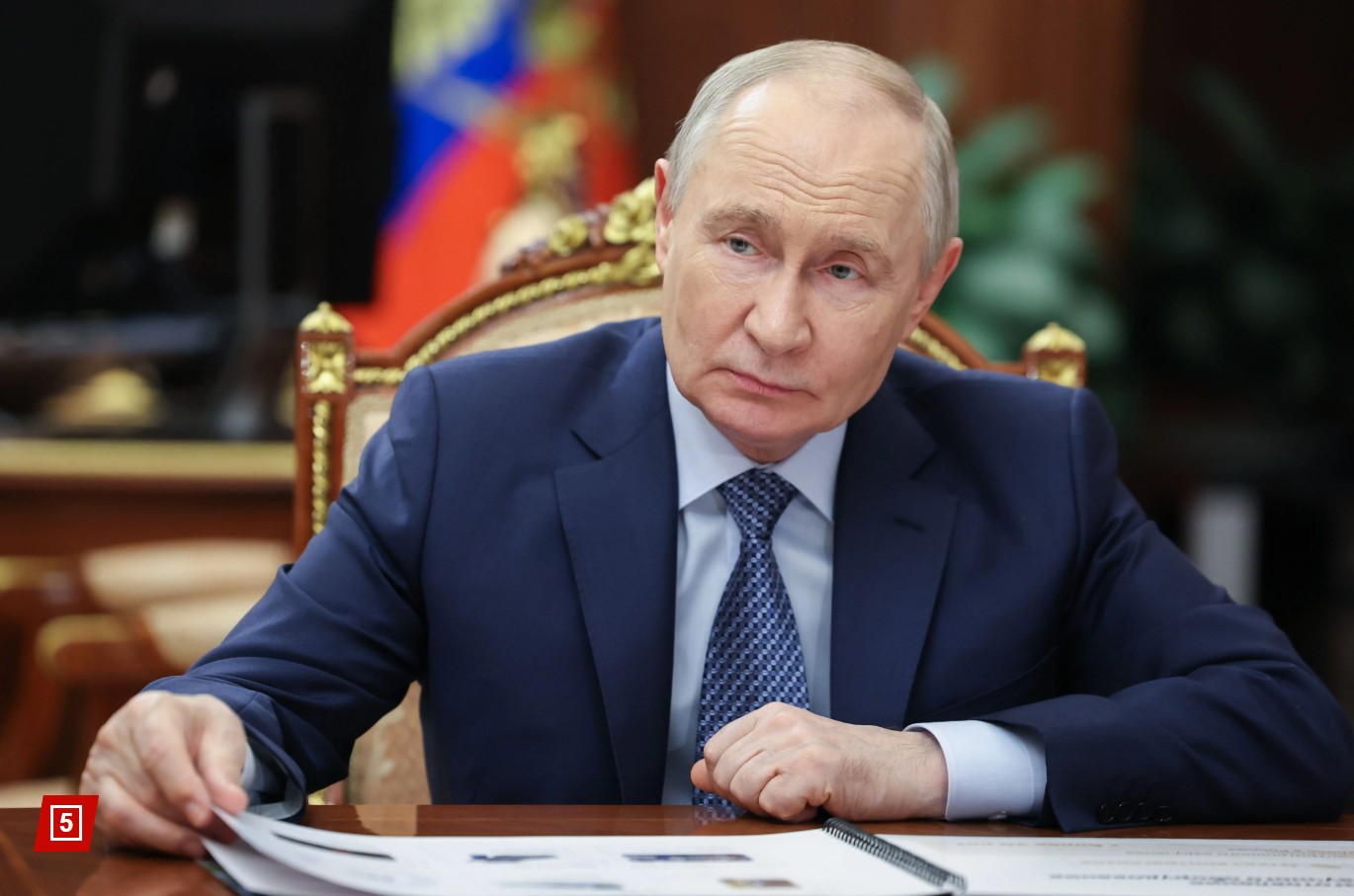
Putin is preparing a large-scale winter offensive against Ukraine following the failure of his spring offensive. The Russian authorities plan to intensify attacks on civilian infrastructure and transport links in an attempt to create a humanitarian crisis. Russia’s economy is in deep crisis, and recruitment for the war is falling rapidly.
- Putin is planning a large-scale winter offensive against Ukraine.
- Russia is preparing to launch strikes against civilian infrastructure and railways.
- The Russian economy is in crisis, with a budget deficit of $81.4 billion.
- Recruitment into the Russian army has fallen below the level of casualties.
The Kremlin’s plans for a winter offensive
Pros. information New York Post, following the failed spring offensive, during which Russia lost more territory than it gained, the Kremlin is preparing a large-scale an invasion of Ukraine during the winter. Expert Maria Snegova CSIS emphasises that Vladimir Putin plans to resume large-scale attacks in order to create a humanitarian crisis and force Ukraine to make concessions in the Donbas. Last winter, Russia had already launched a record number of drones and missiles targeting civilian infrastructure.
Increased attacks on transport and water supplies
Kateryna Stepanenko The Institute for the Study of War notes that the Kremlin plans to escalate its attacks by targeting Ukraine’s railways in order to disrupt supply and water chains. These strikes could have a significant impact on daily life in the regions that remain under Ukrainian control.
The economic downturn in Russia
The Russian economy is in the midst of a deep crisis: federal budget deficit reached $81.4 billion in the first five months of 2026, which is double last year’s figure. Budget expenditure rose by 171 per cent, whilst oil and gas revenues fell by almost 30 per cent. Gold reserves fell by 5.7 tonnes — the largest decline in the last 25 years. According to Stepanenko, these factors are leading to labour shortages and economic difficulties.
Problems with mobilisation
Recruitment into the Russian army fell to around 30,000 a month in May, which is less than the number of casualties. The Kremlin is forced to engage students, proposing the abolition of tuition fees and the adjustment of grades, as well as recruiting prisoners, including serial offenders. Information has emerged regarding the setting of a quota at 2% to recruit students in April. Records obtained by an Australian broadcaster ABC, ... show how lecturers put pressure on students by accusing them of cowardice.
Internal pressure and restrictions on information
Putin is facing mounting pressure over economic problems and internet disruptions in Russia. Blocking the popular Telegram app This may indicate that the Kremlin is preparing to take radical steps under the guise of information restrictions. Such actions only serve to highlight the state of crisis within the country and the growing sense of despair amongst the leadership.