Keir Starmer has unexpectedly announced his resignation as Prime Minister of the United Kingdom, stepping down from the government until the election of a new Labour Party leader is complete.
- Keir Starmer has announced his resignation as Prime Minister of the United Kingdom.
- The new leader of the Labour Party will be elected over the summer.
- Applications from candidates will open on 9 July.
- Starmer will remain Prime Minister until the end of the election process.
- The pound sterling fell by 0.27% following the news.
Keir Starmer’s resignation
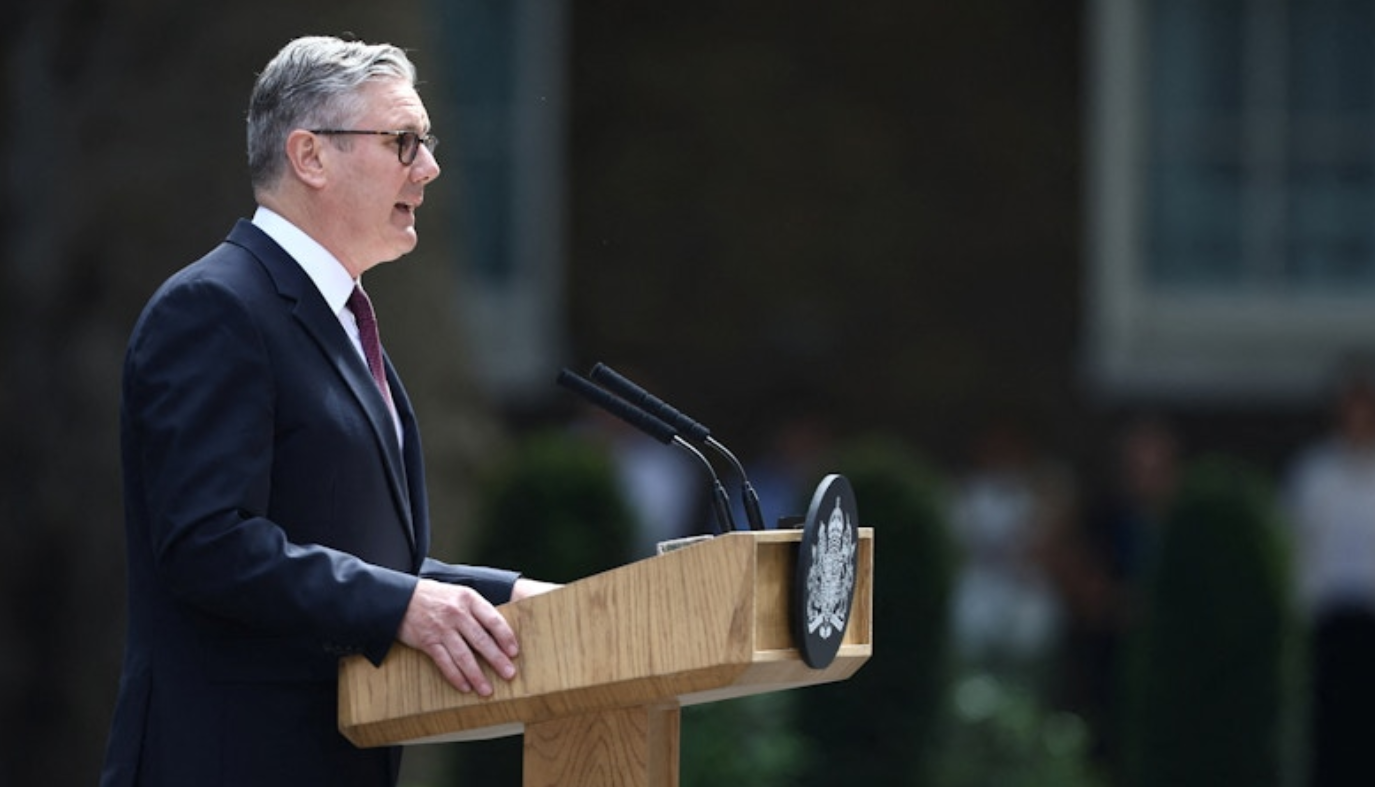
Keir Starmer, the Prime Minister of the United Kingdom, announced his resignation, which came as a surprise to many. The politician confirmed that he would step down once the Labour Party’s internal leadership election, which begins on 9 July, has concluded. Starmer noted that the new Prime Minister would take office before the start of the autumn parliamentary session in September.
«I intend to ensure that the handover of power proceeds as smoothly as possible and to offer my full support to my successor,» Starmer said during a press conference.
Starmer will remain in post until the election is over to ensure the stability of the government. The Labour Party, which holds a majority in the House of Commons, will organise the nomination process in the near future.
An emotional farewell
Speaking to journalists, Keir Starmer was unable to contain his emotions. Witnesses noted that tears welled up in his eyes and his voice broke several times. In the closing part of his speech, he expressed a desire to focus on his family once his career at the pinnacle of politics had come to an end.
«I am dedicating myself to the most important job of all — being the best husband to my wonderful wife Victoria and the best father to my lovely children,» the politician emphasised.
The reaction of the financial markets
The financial markets reacted immediately to this political news. The pound sterling fell by approximately 0.27% to US$1.3202, whilst the yield on 10-year UK government bonds rose, indicating a muted reaction from investors to the political uncertainty. Analysts point out that the British currency has already lost around 3% of its value since the start of the year against a backdrop of mounting political pressure on Starmer’s government.