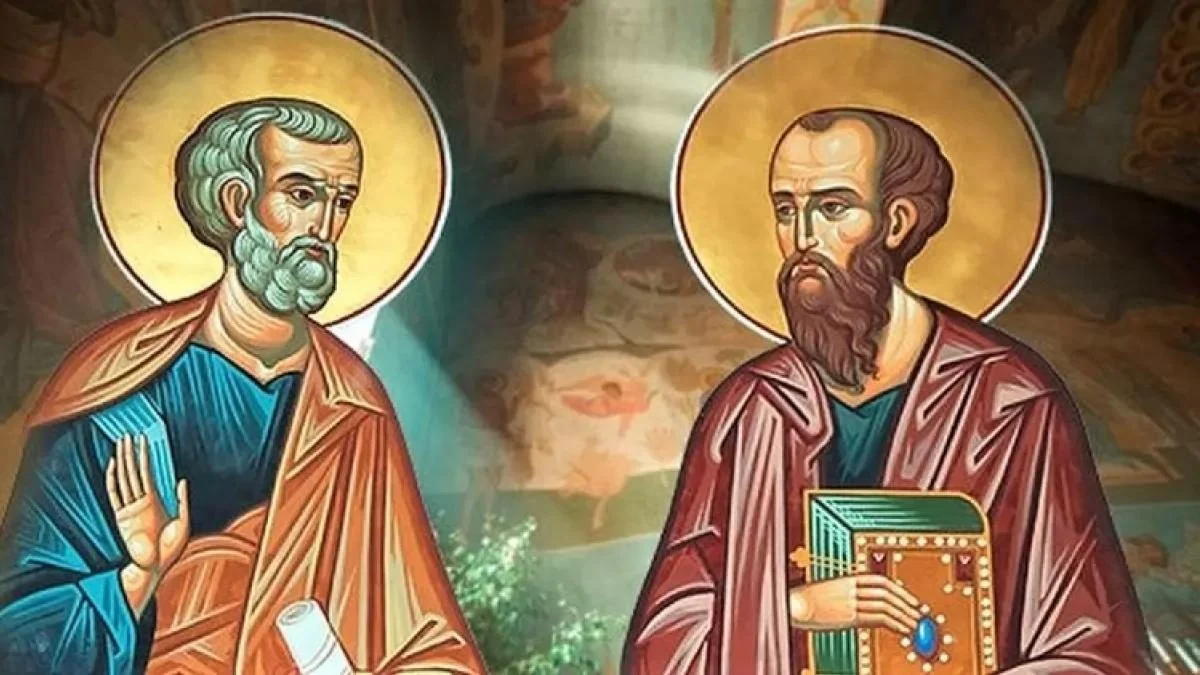
The Feast of Saints Peter and Paul is one of the most important Christian festivals of the summer; in Ukrainian folk tradition, it marks the end of the Kupala festivities, the conclusion of the Fast of Saint Peter, and the start of the busy harvest season.
When are the celebrations held in Ukraine?
Following the switch by the Orthodox Church of Ukraine (OCU) and the Ukrainian Greek Catholic Church (UGCC) to the New Julian calendar, the dates of most fixed feasts have been brought forward by 13 days.
-
New Style (New Julian): 29 June (It is on this very day that Ukraine now officially celebrates the occasion).
-
Old style: 12 July (Some parishes may still choose to use this date if they wish.).
Where does the story behind the festival come from?
The feast day is dedicated to two apostles — Peter and Paul — who were completely different in their lives but united in their faith. According to church tradition, they were martyred for spreading Christianity on the very same day (or exactly one year apart) in Rome.
-
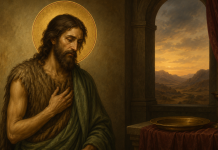
The Apostle Peter: He was a simple fisherman from Galilee, one of Jesus’s first and most devoted disciples. He is regarded as the founder of the Church. He has long been venerated by the people as the patron saint of fishermen.
-
The Apostle Paul: Unlike Peter, he was a distinguished, educated Roman citizen who had initially persecuted Christians with great severity. However, following a miraculous vision on the road to Damascus, he came to believe wholeheartedly and became the most ardent preacher of the New Testament.
Folk traditions on the feast day of Saints Peter and Paul
In Ukrainian tradition, this festival symbolises the height of summer («Pyotr and Pavel brought the heat») and the start of preparations for the harvest.
-
Fishing rituals: As Peter is regarded as the patron saint of fishing, on this day fishermen would pray for a bountiful catch, light candles in churches and collect money for «Peter’s candle» — a large communal candle for the church.
-
«Guarding the Sun»: There was a lovely tradition amongst young people — to stay awake on the night of St Peter’s Day. Boys and girls would gather on the hills, light bonfires, sing «petriivochky» (special ritual songs) and wait for the sun to rise. It was believed that on St Peter’s Day the sun «plays» — shimmering with different colours.
-
Festive table: As the festival marks the end of St Peter’s Fast (Petrivka), a lavish feast was prepared on this day. The traditional dish was «mandryky» — cheese doughnuts or pampushky made from wheat flour, eggs and homemade cheese. According to legend, this is what the apostles ate during their travels around the world.
What you can and cannot do on this day
Like any major holiday, the Feast of Saints Peter and Paul has its own strict spiritual and everyday rules.
What you should do:
-
To attend a festive service at the church and pray for the health of loved ones.
-
Get the family together for a festive dinner, and treat friends and neighbours to some «mandryky».
-
Inviting godparents to visit — according to tradition, godparents would always visit their godchildren on this day, bringing gifts and treats.
The following is strictly prohibited:
-
To do hard work: You must not dig, build, sew, knit or do the washing. The whole day should be devoted to spiritual matters and rest.
-
Arguing and swearing: Any negativity, insults or arguments on this day are considered a grave sin.
-
To get married: On the day of the festival itself, the church does not perform wedding ceremonies (although ordinary civil marriages can be registered at the Registry Office).
-
Lending or borrowing money: According to popular belief, this could lead to poverty for the whole of the following year.
The main sign of the day: If it rains on St Peter and St Paul’s Day, the rye harvest will be bountiful, but the haymaking will be wet. However, if the day turns out to be dry and hot, expect a long and cold autumn.