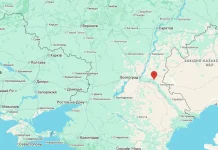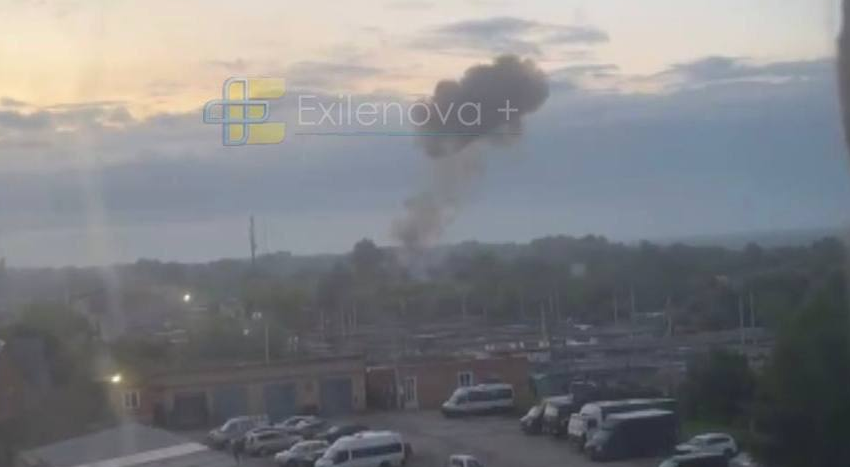
On the night of 26 June, Ukraine launched an attack on the «Azot» chemical plant in Novomoskovsk, Tula Oblast. This plant is one of the key producers of nitrogen-based chemicals in the Russian Federation.
- An attack on the «Azot» chemical plant in Novomoskovsk.
- The factory manufactures products for the civil and defence sectors.
- A fire broke out at the factory following the attack.
- Production includes ammonia, nitric acid and methanol.
- The attack will affect Russian military infrastructure.
A strike against one of Russia’s largest chemical plants
On the night of 26 June, drones attacked the «Nitrogen» in Novomoskovsk, Tula Oblast. It is one of the largest producers of nitrogen-based chemicals in Russia, manufacturing a wide range of chemical substances used in both the civilian sector and the defence industry.
Following the strike, a fire broke out on the plant’s premises; the extent of the fire is currently being assessed. It is known that «Azot» specialises in the production of ammonia, nitric acid, methanol, ammonium nitrate, urea and other mineral fertilisers. Of particular concern are nitric acid and other chemical raw materials, which can be used in the production of explosives, rocket fuel and ammunition.
The importance of chemical plants to the defence industry
Chemical plants of this type play a vital role in supporting the Russian military-industrial complex. Not only do they supply fertilisers to the agricultural sector, but they also provide strategic chemical products required for the manufacture of explosives and other military-grade components. Damage to large chemical plants could have a significant impact on Russia’s industrial production and the supply chains supporting its defence sector.
«Official information regarding the extent of the damage to the facility is currently being verified. Facilities producing dual-use components remain key elements of Russia’s military infrastructure and are a focus of attention during the war.»