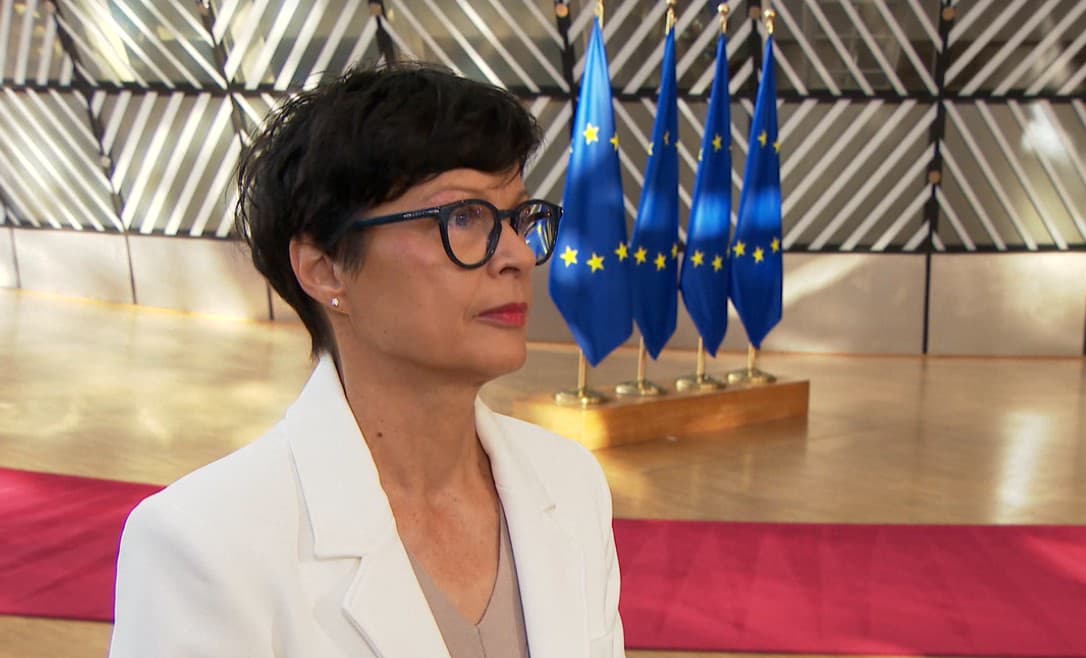
Marta Kos, the European Commissioner for Enlargement, has stated that Ukraine and Moldova are ready for all negotiation chapters to be opened as part of the EU accession process. According to her, the pace of further steps depends on the position of the member states, whilst technical preparations are continuing regardless of political decisions. The opening of the next clusters may be postponed until the autumn.
Briefly about the main points
- The European Commission considers Ukraine and Moldova to be ready for the opening of all clusters.
- The pace of the negotiations depends on the EU Member States, not just on technical readiness.
- On 14 July, the “External Relations” cluster for Ukraine and Moldova will be launched.
- The opening of the remaining clusters may be postponed until the autumn.
- Ukraine has a clear reform timetable and a list of tasks for the way forward.
Assessment of Ukraine’s and Moldova’s readiness
European Commissioner for Enlargement Martha Kos In a comment to the media, she stated that, in the European Commission’s view, Ukraine and Moldova have already fulfilled the necessary conditions for the opening of all negotiation chapters in the process of accession to the European Union. She emphasised that technical preparations are ongoing and that the list of tasks for both countries is clear and straightforward.
Kos noted that many of the points from the so-called “Kachka-Kos plan” have been incorporated into the overall reform agenda, and progress on these tasks is being closely monitored by European institutions.
Launch of the “External Relations” cluster”
On 14 July, the border opens for Ukraine and Moldova cluster “External Relations”. This is the second negotiating cluster, following the key “Fundamentals” cluster, which was opened earlier. The decision to open this cluster was agreed by EU ambassadors on 10 July.
The opening of the “External Relations” chapter marks the next step in the negotiations on both countries’ accession to the EU and signals their gradual integration into European structures.
The pace of negotiations and the position of member states
Marta Kos emphasised that further progress in opening the remaining negotiation clusters depends not only on the technical readiness of Ukraine and Moldova, but also on the political will of the EU Member States and the EU Council Presidency.
The Lithuanian Foreign Minister has stated that the opening of the remaining clusters is likely to be postponed until the autumn. In the meantime, technical work is continuing, and both countries are preparing for the next stages of the negotiations.
Next steps and expectations
According to Marta Kos, Ukraine has a clear reform timetable, which covers not only the current year but also the next stages. The European Commission expects that the new Ukrainian government will provide fresh impetus for implementing reforms and achieving further results.
Brussels continues to monitor the implementation of all the points included in the key clusters and emphasises the importance of maintaining the pace of reforms in order to move the negotiations forward.