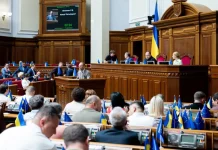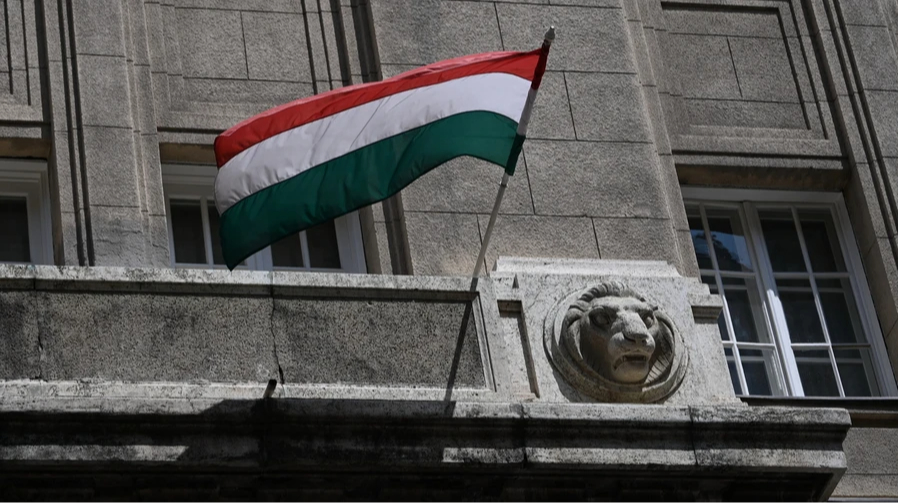
On 13 July, the Hungarian Parliament approved amendments to the Constitution allowing President Tamás Szujók’s term of office to be terminated early. 139 MPs voted in favour of the amendments, with 6 voting against. The Fidesz and Christian Democratic People’s Party parliamentary groups boycotted the vote. President Szujok expressed concern about the constitutionality of the amendments and appealed to the Constitutional Court and the Venice Commission.
Briefly about the main points
- The Hungarian Parliament has passed amendments to allow for the early removal of the president.
- 139 MPs voted in favour of the amendments, and 6 voted against.
- The Fidesz and HDNP parliamentary groups boycotted the vote.
- President Shuyok has appealed to the Constitutional Court.
- The new rules limit the term of office for MPs to 12 years.
Key amendments to the Constitution
The Hungarian Parliament has passed constitutional amendments allowing the President’s term of office to be terminated early. 139 MPs voted in favour of the bill, with 6 voting against. The amendments were proposed by the Prime Minister Peter Magyar, who, following his election victory, promised to reform the political system and remove individuals loyal to the previous government from key posts.
The legislative changes also provide for a limit of 12 years on the term of a Member of Parliament’s mandate. Members who have already served in parliament for longer than this will not be able to stand in the next election.
The reaction of the President and political parties
President Tamás Szujók, who is considered to be close to Viktor Orban, did not resign voluntarily and publicly expressed concerns about the constitutionality of the changes. He appealed to the Constitutional Court and the Venice Commission of the Council of Europe, and has repeatedly criticised the reforms.
The factions of the «Fides» and the Christian Democratic People’s Party boycotted the vote. The leader of the Fidesz parliamentary group, Gergely Gulyás, resigned in protest. Fidesz representatives alleged political pressure and breaches of democratic procedures.
The mechanism for entry into force and possible scenarios
Once the amendments have been adopted, the President must sign the bill into law. If he does not do so, he may exercise a political or constitutional veto. In the event of a political veto, the bill is returned to Parliament, which may re-approve it, after which the President is obliged to sign the bill into law.
A constitutional veto allows the president to refer a law to the Constitutional Court if there are doubts regarding procedural matters. If the court finds no violations, the law is returned to the president for signature. If, however, the president fails to respond within five days, the government may initiate a removal procedure, similar to impeachment, which has not previously been used in Hungary.
Risks and the international community’s response
The situation is unprecedented in modern Hungary and could lead to a political crisis. The European Union has not yet issued an official statement, but a number of European media outlets have highlighted the risk of further polarisation of society and instability.
The Venice Commission has not yet issued an official statement on the changes. It is unclear whether international organisations will intervene should the political crisis escalate.
What the new constitutional reform might change
The constitutional amendments initiated by the new government demonstrate a determination to dismantle Viktor Orbán’s political legacy. If the procedure for the early removal of the president is implemented, it could significantly alter the balance of power in the country and set a precedent for further reforms.
At the same time, the uncertainty surrounding President Shuyok’s actions and the Constitutional Court’s position leaves the question of how the political situation in Hungary will develop open.