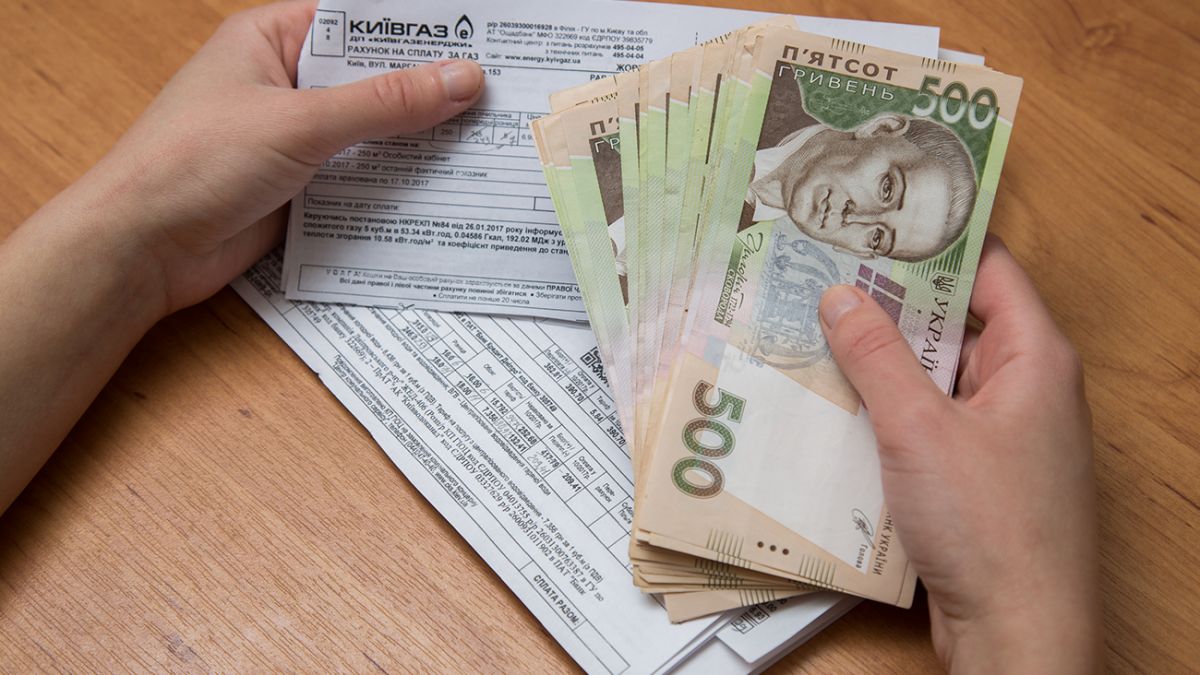
In Ukraine, the Register of Enforcement Proceedings contains almost 830,000 cases relating to debts for housing and utility services, according to OpenDataBot. During the first half of 2026, 108,600 new debts were added, of which 65% remain outstanding. Most of the proceedings relate to heating and water supply.
Briefly about the main points
- There are nearly 830,000 cases in the Register relating to utility debts.
- Over the past six months, 108,600 new debts have been recorded.
- 65% new debts remain outstanding.
- 43% cases relate to heating, and a further 18% cases relate to water supply.
- One in four debtors in these cases is a pensioner.
Heating accounts for the largest share of debts
Heating arrears account for 43% cases, whilst water supply arrears account for 18%. The largest increase in new arrears was recorded in the Kharkiv, Dnipropetrovsk and Mykolaiv regions.
The high proportion of heating costs is consistent with the fact that this is a seasonal expense and one of the most expensive components of the utility bill. At the same time, data on enforcement proceedings do not in themselves establish the cause of a specific debt: these may be influenced by household income, population movements, damage to housing, the quality of services, as well as the suppliers’ legal and claims-handling practices.
The number of enforcement proceedings should not be equated with either the number of individual debtors or the total amount of debt owed by the population. These are cases currently at the enforcement stage; the State Statistics Service records the amounts of charges, payments and debts separately by type of service.
Pensioners and the enforcement procedure
One in four debtors in cases involving utility arrears — pensioner. This deduction does not mean that funds are automatically deducted from the pension: a separate enforcement procedure, subject to the restrictions laid down by law, applies in such cases.
The law provides for the recovery of funds and property and, under certain conditions, earnings, pensions or other income. If the amount to be recovered does not exceed 20 times the minimum wage, the debtor’s sole residence and the land on which it stands may not be subject to recovery.
The housing subsidy scheme remains in place for households on low incomes. In January 2026, these were awarded to, amongst others, 113,500 households in the Dnipropetrovsk region, 98,000 in the Kharkiv region and nearly 37,000 in the Mykolaiv region. It is not entirely accurate to compare these figures directly with the number of cases, as the registers use different units of measurement.
Special rules for damaged homes
From April 2026, special rules will apply to homes damaged or destroyed as a result of the war. For destroyed properties, the charging of utility bills will cease, whilst for damaged properties, it will be suspended for as long as the property cannot be used to its full extent.
The law has also established mechanisms for settling debts incurred after 24 February 2022, particularly during the period of occupation. This may be significant for communities affected by hostilities, but it does not automatically explain the entire increase in proceedings in the three leading regions.