Contradictory statements from Washington and Tehran regarding talks to end the five-month war have heightened uncertainty surrounding a diplomatic settlement. US President Donald Trump claims that negotiations are already underway, whilst the Iranian Foreign Ministry denies this. Against this backdrop, a cargo ship reported being struck by an unidentified projectile near the Strait of Hormuz off the coast of Oman.
Briefly about the main points
- Trump stated that the US and Iran are already in talks.
- Tehran has denied that any talks or planned meetings have taken place.
- Off the coast of Oman, a cargo ship reported being hit by a shell.
- According to Kpler data, six vessels passed through the strait on Monday.
- Brent crude fell by around 7% on expectations of a deal.
Washington speaks of contacts, whilst Tehran denies them
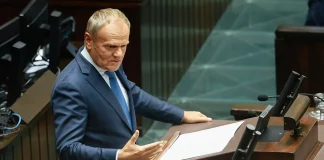
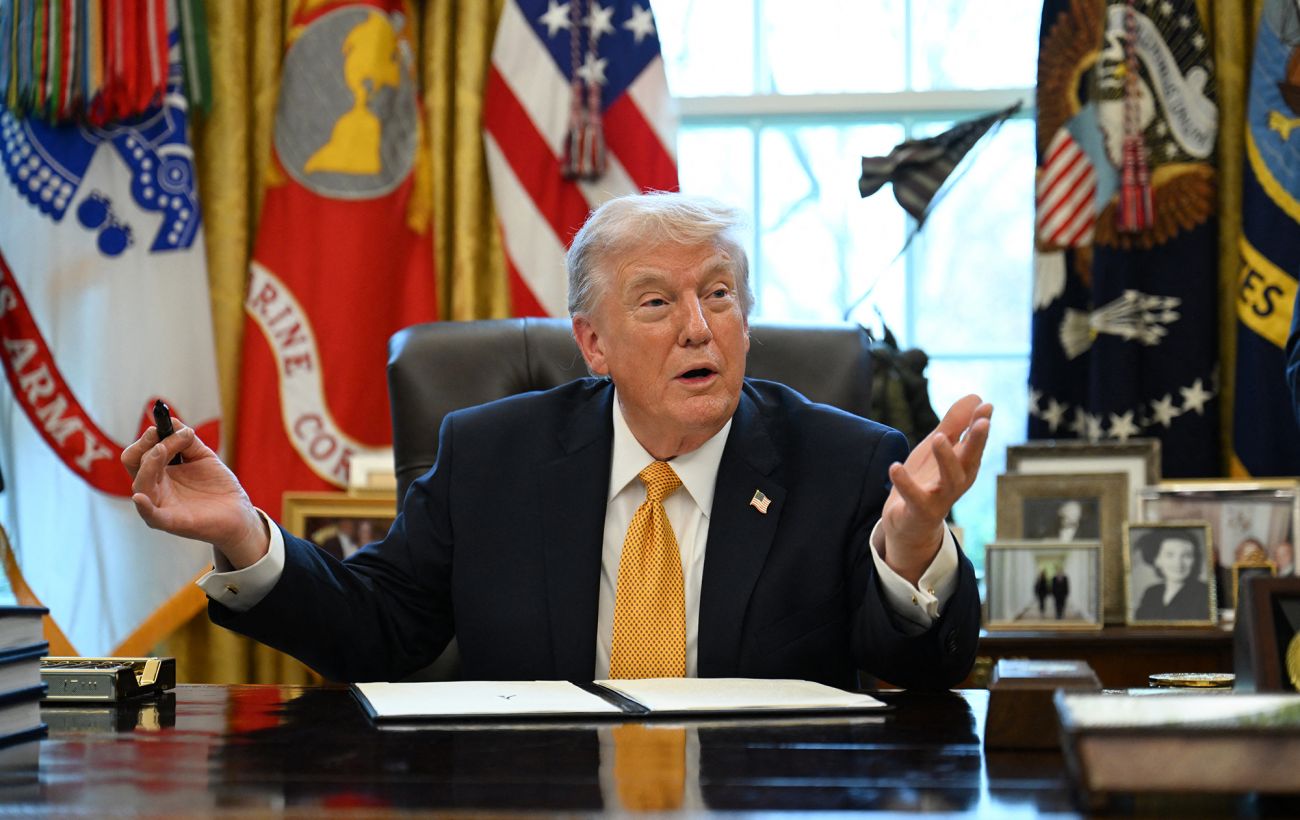
Trump On Monday, he told journalists in the Oval Office that talks were «taking place right now». According to him, the parties are in communication at the request of Iran, Saudi Arabia, the United Arab Emirates, Qatar and other states. The President also described this as «Tehran’s last chance» to reach a good deal.
Spokesperson for the Iranian Ministry of Foreign Affairs Esmail Baghai Earlier that day, he stated that no negotiations were taking place with the US and that no meetings were planned. He said that Iran had no plans to host foreign delegations or send negotiators abroad in the coming days. According to Baghai, all Iranian negotiators are in the country, with the exception of the Foreign Minister Abbas Araghchi, who is undertaking a religious pilgrimage to Iraq.
According to Tehran, the only ongoing negotiations concern the management of Oman the Strait of Hormuz. Later, on Truth Social, Trump accused the Iranian leadership of «incredible duplicity» and wrote that new talks were due to take place in the near future.
A collision with a vessel and slow passage through the Strait of Hormuz
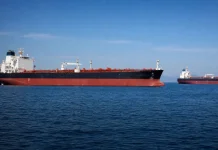
The UK Maritime Trade Operations (UKMTO) reported that a cargo ship had signalled that it had been struck by an unknown projectile near the strait, off the coast of Oman. This incident occurred at a time when Iran had effectively cut off transit along the strategic route even before it was blockaded during the war.
Shipping through the strait remains extremely limited. According to Kpler, three tankers and three bulk carriers passed through the strait on Monday — a total of six vessels — compared with seven the previous day. One-fifth of the world’s crude oil and natural gas shipments used to pass through the Strait of Hormuz.
Economic pressure as a lever in the conflict
At the weekend, Trump called off the «massive attacks» against Iran, which he said he had already authorised, citing the forthcoming talks. This continued the pattern of his actions since the start of Operation «Epic rage», launched jointly with Israel more than five months ago: threats of large-scale strikes gave way to a retreat following diplomatic talks.
Iran has publicly rejected negotiations with Washington following the collapse in early July of the memorandum of understanding signed a month earlier. Washington insists that the document required Iran to open the strait, whilst Tehran maintains that the text explicitly reserved its right to control shipping.
Analysts and officials in the Gulf states believe that Tehran is counting on weathering US pressure by turning the region’s trade routes, sea lanes and energy infrastructure into instruments of economic influence. Such tactics could raise the cost of confrontation for Washington’s allies and the global economy, whilst leaving the possibility of a diplomatic solution open.