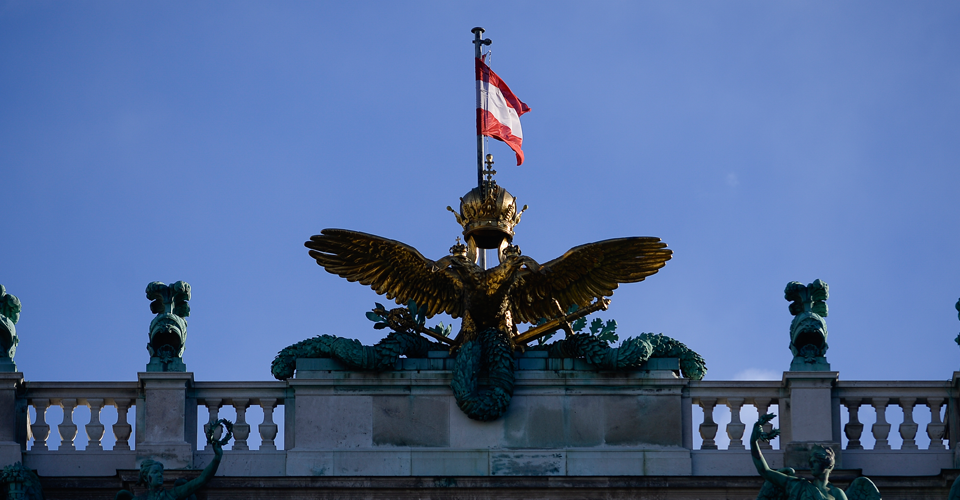
Former senior officials from the UK, France, Germany and Russia held an informal meeting in Vienna last month to discuss possible terms for peace talks aimed at ending Moscow’s war against Ukraine. Among the European participants were Tim Barrow, a former British national security adviser; Markus Ederer, a former German state secretary; and Pierre Vimon, a French diplomat.
Briefly about the main points
- The meeting took place in Vienna last month in an informal setting.
- The initiative was launched by the Swiss Centre for Humanitarian Dialogue.
- Berlin denied that the discussions had been coordinated with the German Foreign Ministry.
- E3, together with Ukraine, sought ways to establish direct contact with the Kremlin.
- The positions of Moscow and Kyiv on the Donetsk region remain irreconcilable.
An initiative without an official mandate
According to well-informed sources, the meeting took place at the initiative of the Centre for Humanitarian Dialogue — a Swiss organisation dedicated to discreet, impartial and independent mediation in conflicts. Ederer and Vimon sit on the organisation’s board.
Contacts involving former officials and experts often take place without a formal government mandate. They are used to exchange ideas which may subsequently find their way into official channels.
The German Foreign Ministry stated that it was not aware of the discussions in question and that they had not been conducted on its behalf or in coordination with the ministry. The French Foreign Ministry declined to comment. The British Government has stated that it supports efforts to achieve a just and lasting peace in Ukraine, but does not comment on the actions of former officials.
European attempts to establish a channel of communication with the Kremlin
Azerbaijani President Ilham Aliyev had previously stated that, in July in Baku, former German and Russian officials had also discussed end of war.
The United Kingdom, France and Germany have been working alongside Ukraine to explore ways of establishing direct contact with the Kremlin. It is not known whether the Vienna initiative was agreed as part of these efforts; one source said that London welcomed it, whilst another said that Paris was aware of it.
António Coşti, an adviser to the President of the European Council, has also been in contact with the Kremlin this year in an attempt to establish an informal channel of communication with Putin. According to those briefed on the matter, this contact has not yet yielded any progress.
Moscow’s demands and the refusal to hold a face-to-face meeting
It is not known whether Vladimir Putin is prepared to engage with European leaders, whom he has repeatedly accused of facilitating Ukrainian strikes on Russian territory. Russia regards the United States as its main negotiating partner for a deal that would meet its demands regarding Ukraine.
Putin is demanding that Kyiv hand over to Russia the remainder of the Donetsk region that Russian troops were unable to capture during the fighting. Ukraine has rejected this demand. In June, the Russian president also rejected Volodymyr Zelenskyy’s proposal to hold direct talks.
US mediation has not led to the resumption of talks
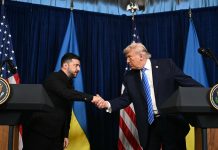
Negotiations Talks between Russia and Ukraine, mediated by the US, have made no progress since February, when Donald Trump’s administration shifted its focus to the war with Iran. Last week, Trump and Zelenskyy discussed ways to revitalise the peace process at the White House, but the US president did not indicate any willingness to step up pressure on Moscow in the near future.
Trump’s special envoys, Steve Witkoff and Jared Kushner, may soon visit Kyiv. Against the backdrop of intensifying Russian missile and drone attacks on Ukrainian cities, some Western officials, particularly from the E3 countries, are taking a critical view of attempts to negotiate with the Kremlin. They are calling for an increase in military aid to Kyiv and for greater pressure to be brought to bear on Russia.