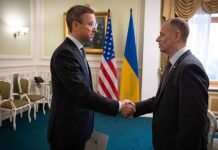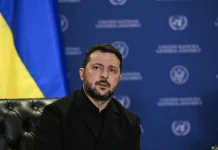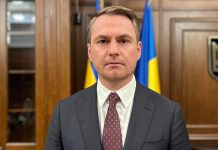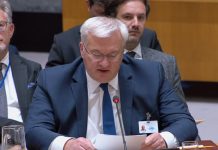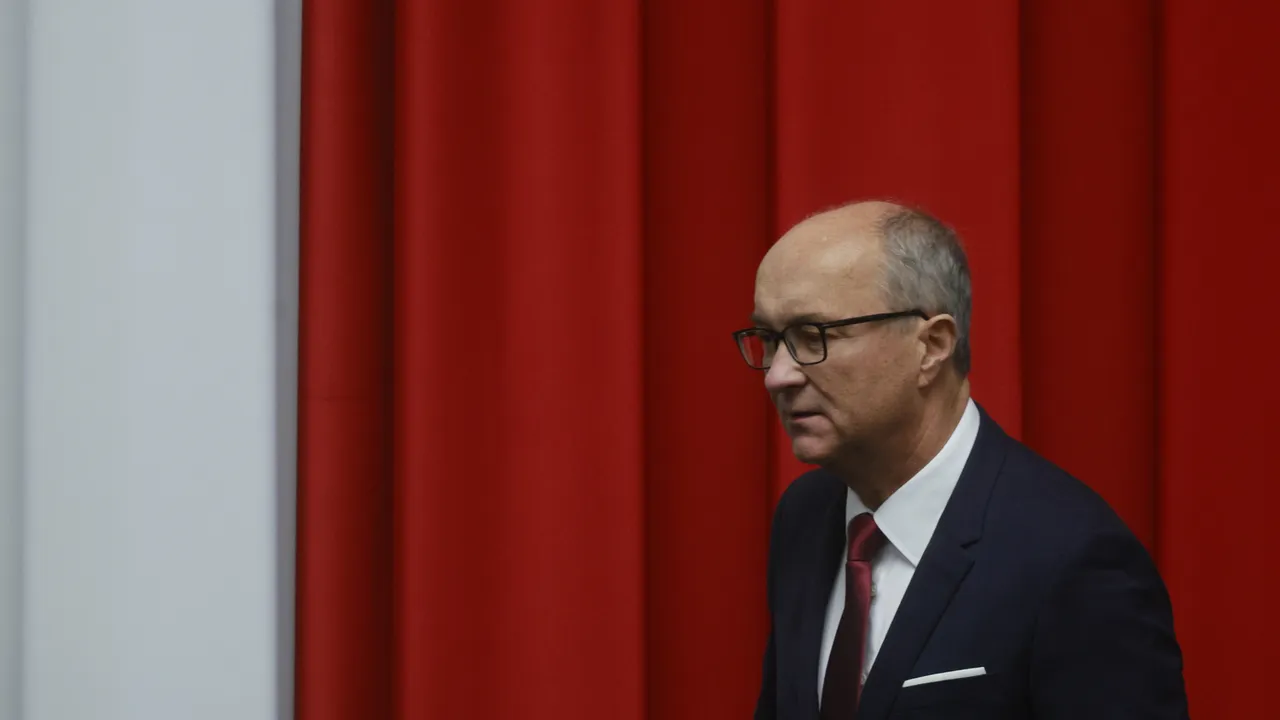
On 10 August in Szczawnica, Włodzimierz Czazasty, Speaker of the Polish Sejm, linked Ukraine’s accession to the European Union to a re-examination of complex chapters of history, in particular the events in Volhynia. Following a meeting with Ruslan Stefanchuk, Speaker of the Verkhovna Rada, he said that shared European values entail a willingness to «call genocide genocide», whilst reaffirming his support for Ukraine’s EU membership.
Briefly about the main points
- Chazhasty raised the subject of Volyn following talks with Stefanchuk.
- The politician described historical reflection as part of European values.
- He did not announce a formal Polish veto on the negotiations.
- The EU does not have a specific criterion for recognising the events in Volhynia as genocide.
- Ukraine has already opened two of the six negotiation clusters.
According to Chazhasty, the EU is not merely about financial benefits
The Marshal of the Sejm stated that, on its path to the European Union, Kyiv must reflect on «all aspects of its history». He described the EU as a union founded on democracy and values, rather than merely a source of funding for its member states.
Historical issues, according to Chazhasty, were discussed during a conversation with Stefanchuk. The Polish politician described the dialogue as frank and spoke of the need to rebuild trust between the parliaments and societies of the two countries.
At the same time, he remains a supporter of Ukraine’s accession to the EU. Czastasy also believes that a secure Ukraine is a prerequisite for Poland’s security.
Poland and Ukraine interpret the events in Volhynia differently
The Polish state describes the mass killings of the Polish civilian population carried out by the OUN and UPA in Volhynia and Eastern Galicia during the Second World War. In Ukraine, the term «the Volhynia tragedy» is widely used. For many years, this issue has remained one of the most sensitive in relations between Kyiv and Warsaw.
In 2025, Poland legislatively designated 11 July as the National Day of Remembrance for Poles who were victims of the genocide perpetrated by the OUN and the UPA in the eastern territories of the Second Polish Republic. That same year, Ukraine and Poland resumed the search for and exhumation of the victims after a long hiatus.
The Speaker’s statement does not establish a new EU criterion
There is no specific requirement in European Union documents for Ukraine to recognise the Volhynia tragedy as genocide. Membership negotiations are based on legislative, democratic, legal and economic criteria.
However, Warsaw’s position carries political weight: Member States approve the key stages of enlargement, and a treaty on the accession of a new country requires the unanimous consent of the Council of the EU and ratification in accordance with national procedures. Czaja did not announce a government decision to block the negotiations, nor did he declare a formal Polish veto; his remarks focused on values and reconciliation.
Ukraine is continuing negotiations, having opened two clusters
On 15 June, Ukraine and the EU launched the first negotiation cluster, «Fundamentals», which covers the rule of law, fundamental rights, democratic institutions, public administration and economic criteria. At the third intergovernmental conference on 14 July, the parties launched the external relations cluster, specifically concerning the common foreign, security and defence policy.
As of August, two of the six negotiation clusters have been opened. Historical differences with Poland may remain a politically sensitive issue in subsequent stages, although they do not constitute a specific formal criterion for EU accession.