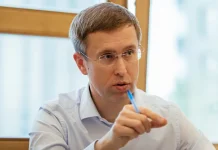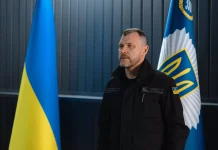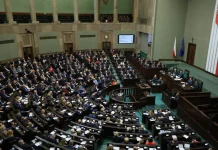
The government has already included the reform of the territorial recruitment centres in its action plans as a top priority, stated MP Shulyak. According to her, the Ministry of Defence is to implement the strategy that has been drawn up, which involves digitising the work of the recruitment centres and shifting the focus to voluntary recruitment rather than the compulsory referral of people for training and service.
Briefly about the main points
- The government has made the reform of the TCC one of its immediate priorities.
- The Ministry of Defence is to ensure the implementation of the strategy.
- Among the announced changes are digital services for interacting with the TCC.
- There are plans to focus the engagement model more on recruitment.
- The relevant bill has not yet been passed by parliament.
The reform must now move on to the practical implementation stage
Shulyak stated that the strategy reforms of the TCC has already been drawn up at government level. The government has set out its implementation in action plans, and the Ministry of Defence is responsible for implementing the strategy.
In the Cabinet of Ministers’ programme of activities, personnel policy, mobilisation and recruitment has been identified as a separate operational objective. Meanwhile, draft law No. 15236 «On the reform of territorial recruitment centres and the mobilisation service model», registered on 13 May, is currently being considered by the relevant committee of the Verkhovna Rada.
Digital services are already expanding their interaction with the TCC
Among the anticipated changes are the digitalisation of the centres« operations and a greater role for recruitment. Some of the digital tools are already in use: via the »Rezerv+’ app, it is possible to register for military service for the first time without visiting a Territorial Recruitment Centre in person and to join the electronic queue.
The Ministry of Defence’s official personnel policy provides for a mixed recruitment approach during martial law — through conscription, reservists and contract service. The stated approach therefore implies a reorganisation of the operational model and methods of recruiting personnel, rather than a complete legal replacement of mobilisation with voluntary recruitment.