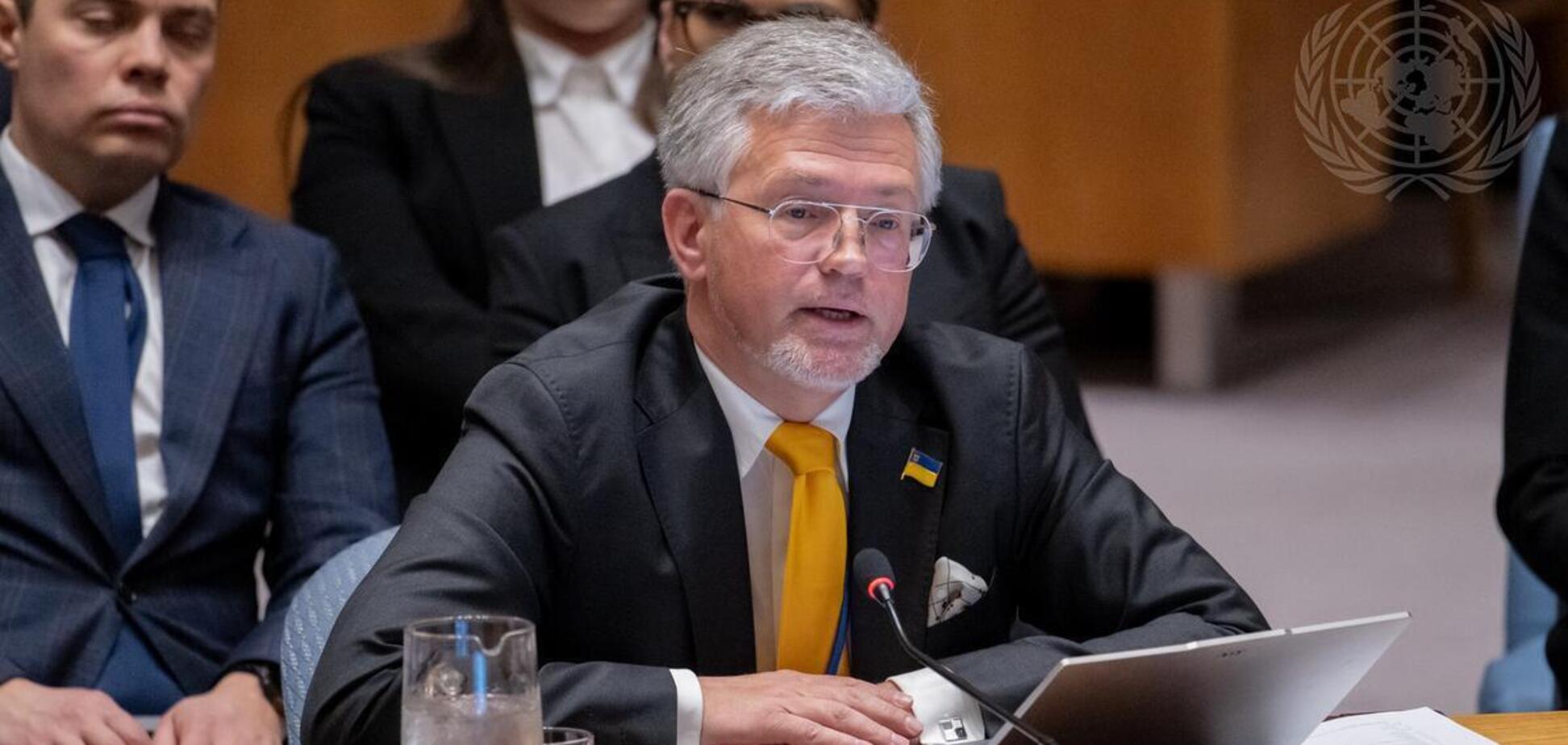
Ukraine’s Permanent Representative to the UN, Andriy Melnyk, stated at a Security Council meeting on 24 August that Ukraine’s strikes on targets deep within Russia constitute the exercise of its right to self-defence in response to Moscow’s aggression. He said that Russia itself had «stirred up the storm» and could not complain about its consequences.
Briefly about the main points
- Melnyk responded to Russia’s allegations regarding Ukrainian strikes deep into its territory.
- Ukraine describes such actions as self-defence against Russian aggression.
- The diplomat referred to the UN Charter and the ruling of the International Court of Justice.
- The EU and the UK have backed Ukraine’s right to self-defence.
- Melnik cited the Allies’ attacks on the Third Reich as a historical argument.
A response to the Russian allegations
Miller stated that Moscow itself had provoked the war against Ukraine and therefore had no grounds to complain about the consequences of its own aggression. His remarks were in response to complaints from the Russian representative regarding attacks on targets deep within Russian territory.
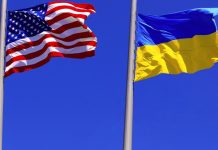
According to the diplomat, what is decisive in assessing a target is not its location, but its actual use in military operations and whether it meets the criteria for a military target. Denmark, the EU and the UK also confirmed at the meeting that Ukraine’s right to self-defence under Article 51 of the UN Charter.
Legal boundaries and historical parallels
Melnik referred to the Statute UN and the ruling of the International Court of Justice, which in March 2022 ordered Russia to cease the military operations it had launched against Ukraine. At the same time, the right to self-defence does not override the rules of international humanitarian law: attacks must be directed at military targets, whilst civilians and civilian objects are protected.
Towards the end of his speech, the diplomat referred to the Allied attacks on the territory of the Third Reich during the Second World War, asking whether the war could have ended without such operations. This example served as a rhetorical argument on Melnik’s part.